
This story started when I mistakenly ran over a yellow jackets’ nest during a drought two summers ago.
I thought they were underground for water, but it turns out – I couldn’t have been more wrong.
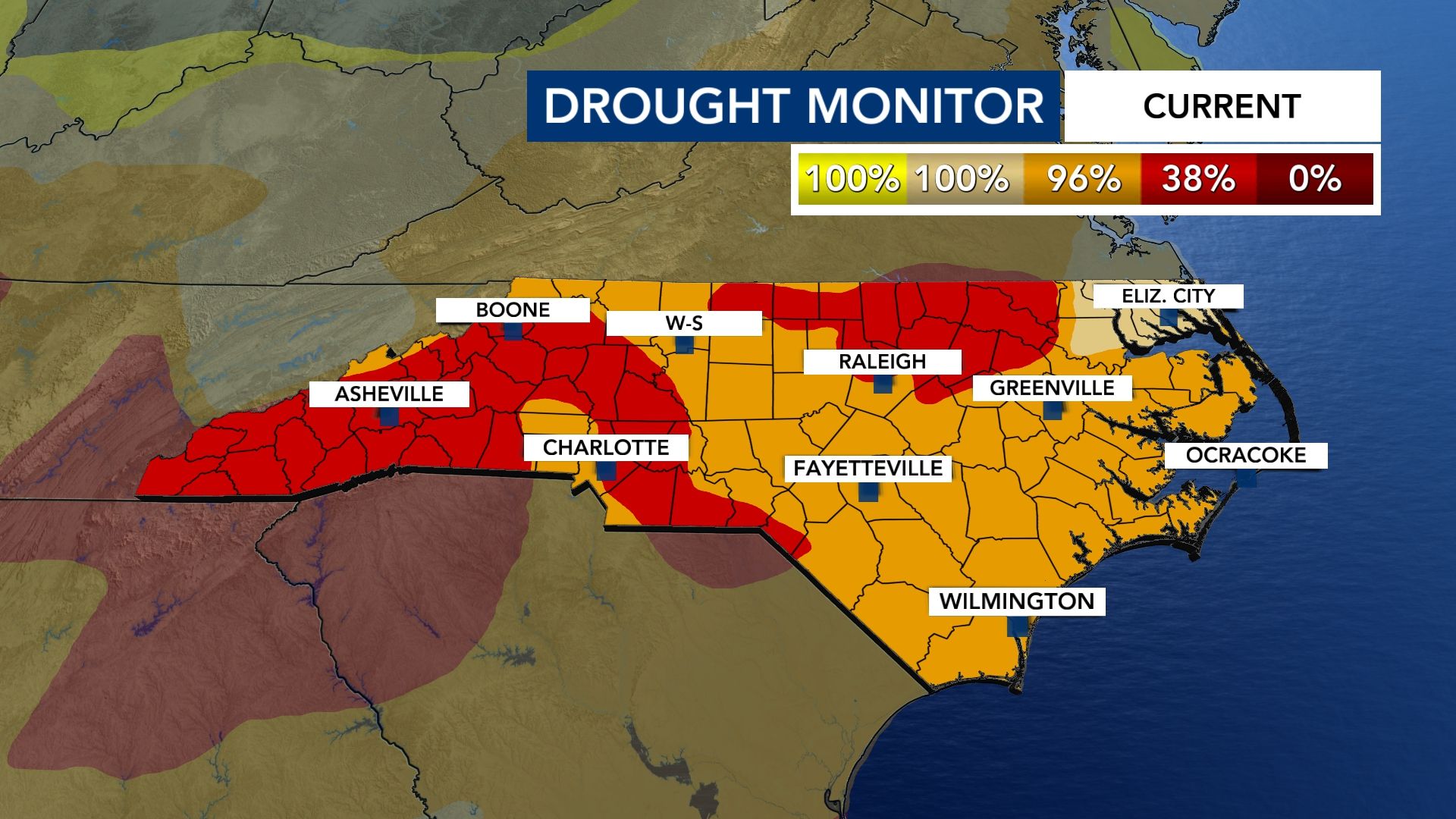
96% of North Carolina is in a severe drought, and 38% is in an extreme drought. It’s making it harder for bees to burrow underground.
Gabriela Garrison with the North Carolina Wildlife Resource Commission told WRAL, “The majority of those – over 70% – burrow in the ground anyways. That’s just their natural habit.”
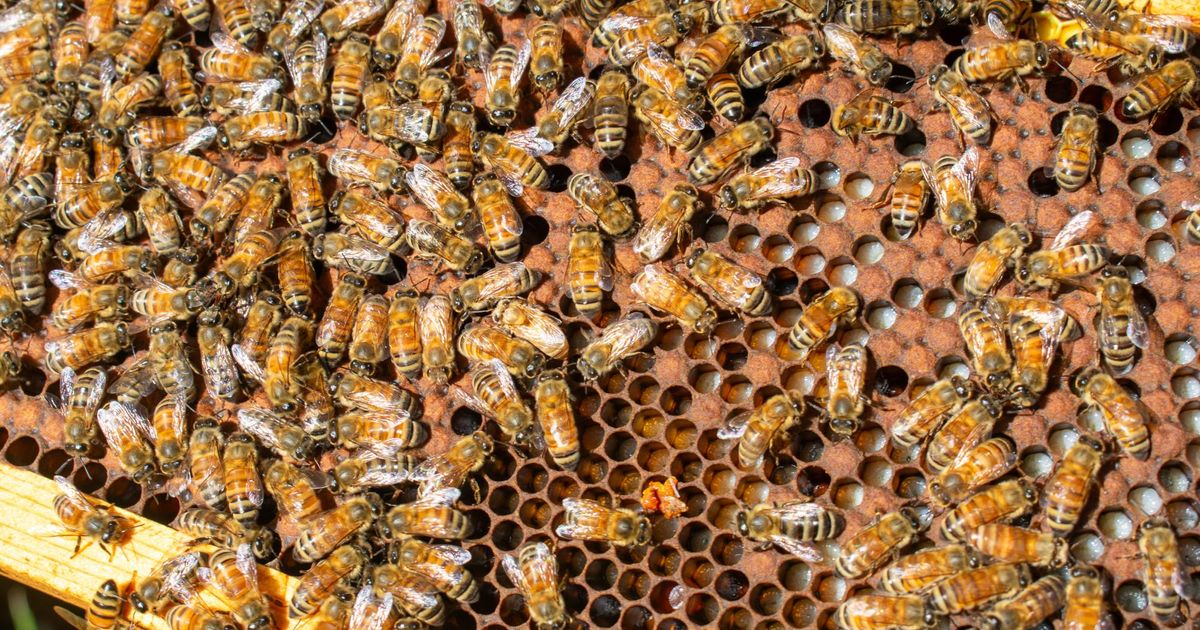
These native bees have a distinct look and behavior, separate of what you’d expect from a yellow jacket.
“Our ground-nesting bees. They’re timid, right? They don’t want that confrontation. With these ground-nesting bees, when you see them – they’re these tiny little entrances literally the size of that bee.”
The water restrictions that have come from the drought are making it even harder on these bees to find forage.
Garrison says, “When we have these droughts, the first thing that happens is that we start losing their floral resources. They really depend upon nectar and pollen from the flowers. They pollinate over 85% of our flowering plants.”
In addition to being such vital pollinators, our native bees’ larva is a protein source for livestock. Between that and produce, the drought’s impact on North Carolina bees could play a role on what you buy from the farmers market.
“Strawberries are a big agricultural crop right now, and native bees play a huge role in pollinating strawberries. I certainly think there are going to be some trickle-down effects to some of the things we don’t think about.”
Garrison adds that if you see these burrows, don’t pour gasoline down into them. It will kill off these important bees, and it could potentially add fire fuel during the drought.