
In Florida, Black residents die more often of breast and colon cancer than white and Hispanic residents.
They also die more often of treatable and preventable causes when younger than 75.
“As a primary care physician, I know what happens when care is out of reach,” said Dr. Joseph Bentancourt, president of The Commonwealth Fund. “Conditions that are manageable become crises, and people have poor health outcomes.”
A report released Tuesday by The Commonwealth Fund shows racial and ethnic health disparities exist in every state. In Florida, though, those disparities result in differences in who went without a dental visit, a flu shot, a colon cancer screening and who ended up in an avoidable emergency department visit. And they affect health outcomes such as death rates, hospital readmissions — and even loss of teeth.
“We know you cannot fix what you cannot measure, and without this data, we lose our ability to identify who is being left behind, and then be able to direct resources where they will have the greatest impact to eliminate gaps,” Bentancourt said.
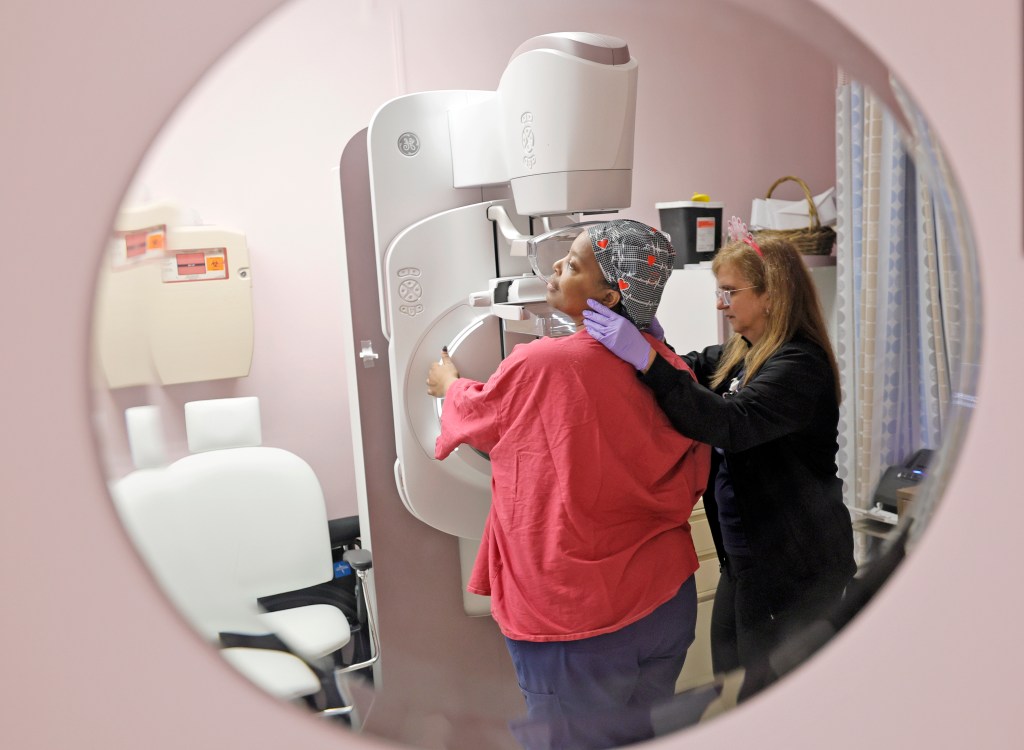
The rate of Black women in Florida who received a mammogram in the past two years in Florida was 85 per 100,000, compared with 81 for Hispanic women and 79 for white women, according to the report. But even while Black women are screened at higher rates, they are dying from breast cancer at higher rates, too.
Kristen Kolb, a research associate at The Commonwealth Fund, said nationally, this finding has an explanation: Black women are waiting longer to get a mammogram or follow-up testing after an abnormal result. By then, treatment often is less effective.
In clinics in Broward and Palm Beach, navigators at The Promise Fund work to reverse this disparity.
“Part of our mission is to catch cancer early enough so they can survive.” Lissette Lahoz, director of Community Engagement and Navigation at The Promise Fund.
Lahoz said the key is not only to operate clinics but also to go into the Black and Hispanic communities to conduct mammogram screenings and assign women patient navigators who help them with follow-up diagnostic screenings and treatment.
“We connect them to the next step and pay for it,” she said. “Having someone contact them and advocate for them, that’s the difference.”
Free screenings
The Promise Fund, a South Florida-based nonprofit, will host free Mammography Screening Days in Palm Beach County on the following dates:
Wednesday, April 29, at 205 W. Ocean Ave., Lantana, from 9: a.m. to 4 p.m.
Saturday, May 30, at 4051 Kirk Road, Lake Worth Beach, from 9 a.m. to 1 p.m.
Saturday, June 27, at 2840 Sixth Ave. S., Lake Worth Beach, from 9 a.m. to 3 p.m.
Appointments are required. To register, call 877-427-7664.
Florida’s large Hispanic population suffers from disparities, too.
More Hispanics in the state went without healthcare in 2023 and 2024 at higher rates than the Black and white populations, according to The Commonwealth Fund report. cq comment=”according to the commonwealth fund report?” ] Hispanic children in Florida had the lowest rate of preventive care visits.
That population lags in insurance access, but because the Hispanic community tends to be younger than other groups, the consequences are less severe, Kolb said.
Nationally and in Florida, Hispanic people generally have lower premature mortality rates compared to Black or white people, despite having higher uninsured rates and worse access to health care than other groups, the new report found. comment=”again, according to the new report?” ]
In Oakland Park, Sandra Lozano Barry, CEO of Light the World Clinic, provides healthcare to the uninsured, low-income residents of Broward County. She sees these disparities play out.
While the Commonwealth Fund report found higher rates of breast and colon cancer deaths in the Black population, Lozano Barry said she sees it in other types of cancers, too. “They come to us at the end stage because they didn’t think it was anything to worry about,” she said.
Also, she said, the clinic has worked to educate Hispanic patients without insurance on how and why to schedule regular preventive care visits. “They feel like they are invincible or it’s too difficult with work to come in, waiting until it affects their livelihood. That’s why we started doing evening and Saturday hours.”
The findings of the Commonwealth Fund report cover the period from 2022 to 2024. Researchers believe proposed federal policy changes — including Medicaid funding cuts and work requirements, marketplace enrollment requirements, and the expiration of extra ACA premium subsidies enacted during the pandemic — may worsen the disparities going forward.
They also expressed concern about the effects of artificial intelligence on health equity.
“States will play a central role in determining whether health AI helps close gaps in care or allows them to widen,” Betancourt said.
“Our broad recommendation is for health system leaders and policymakers to think about how to guard against making disparities worse with AI,” said Jess Maksut, director of health equity research at The Commonwealth Fund. “There will be ways to support clinicians but risks too, including bias in algorithms. We are calling attention to this as an issue so there is not an unintentional widening of the gap.”
Lozano Barry is already seeing some of the benefits and risks. Some patients, particularly the younger ones, are coming in after using AI to diagnose their symptoms — or their parents, suggesting all kinds of misguided illnesses. However, she said, at least they are coming in.
South Florida Sun Sentinel health reporter Cindy Goodman can be reached at cgoodman@sunsentinel.com.