
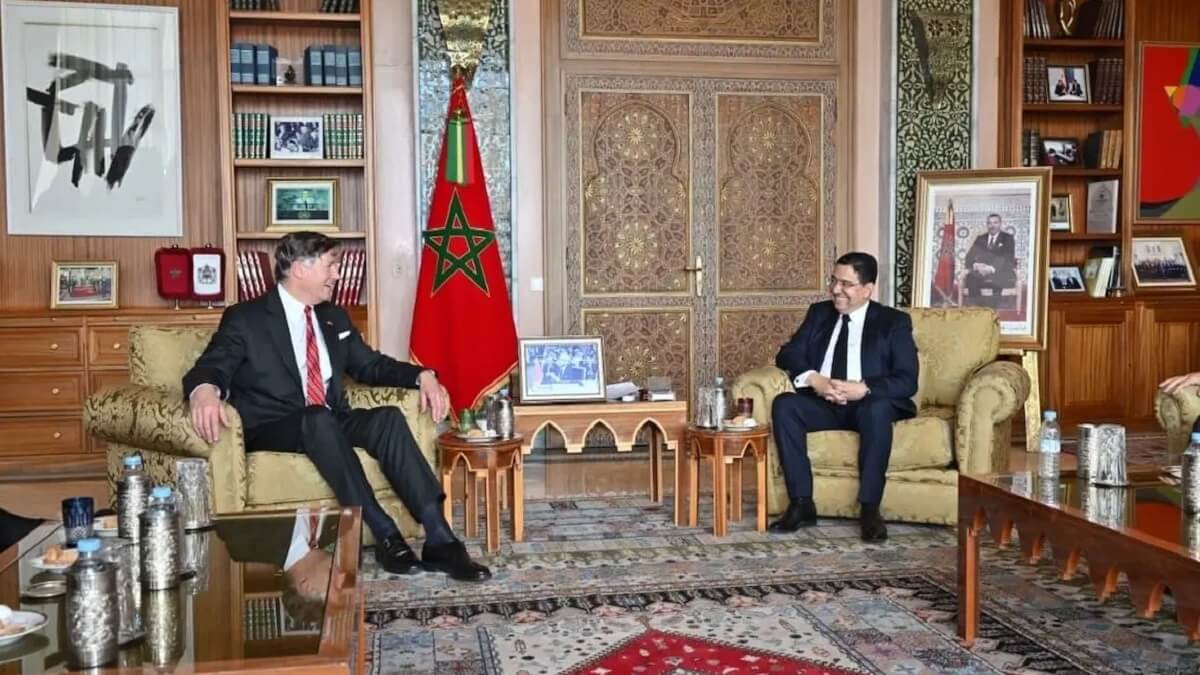
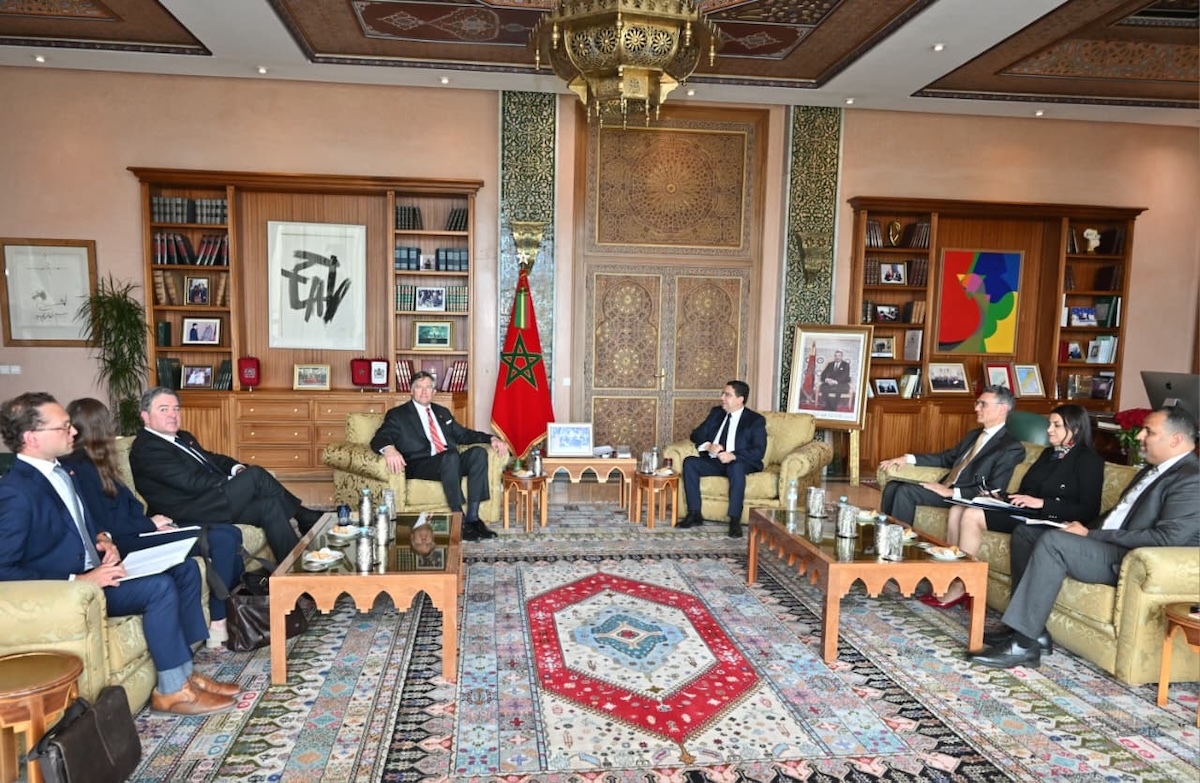
“The United States recognizes Morocco’s sovereignty over the Sahara,” stated U.S. Assistant Secretary of State Christopher Landau during a press conference on Wednesday following his meeting in Rabat with Minister of Foreign Affairs, African Cooperation, and Moroccans Abroad, Nasser Bourita.
Furthermore, during his talks with Minister Bourita, Landau reaffirmed the United States’ continued support “for Morocco’s serious, credible, and realistic autonomy proposal,” which he described as “the only basis for a just and lasting solution to the territorial dispute regarding the Sahara.”
Likewise, the U.S. Assistant Secretary of State emphasized during the talks “U.S. support for American companies wishing to invest and do business in the Sahara” and that “the United States is actively collaborating with the UN and all parties, within the framework of the latest Security Council resolution (Resolution 2797) to reach a solution “to this conflict that has persisted for an unacceptable amount of time,” before adding that “the solution cannot wait indefinitely.”
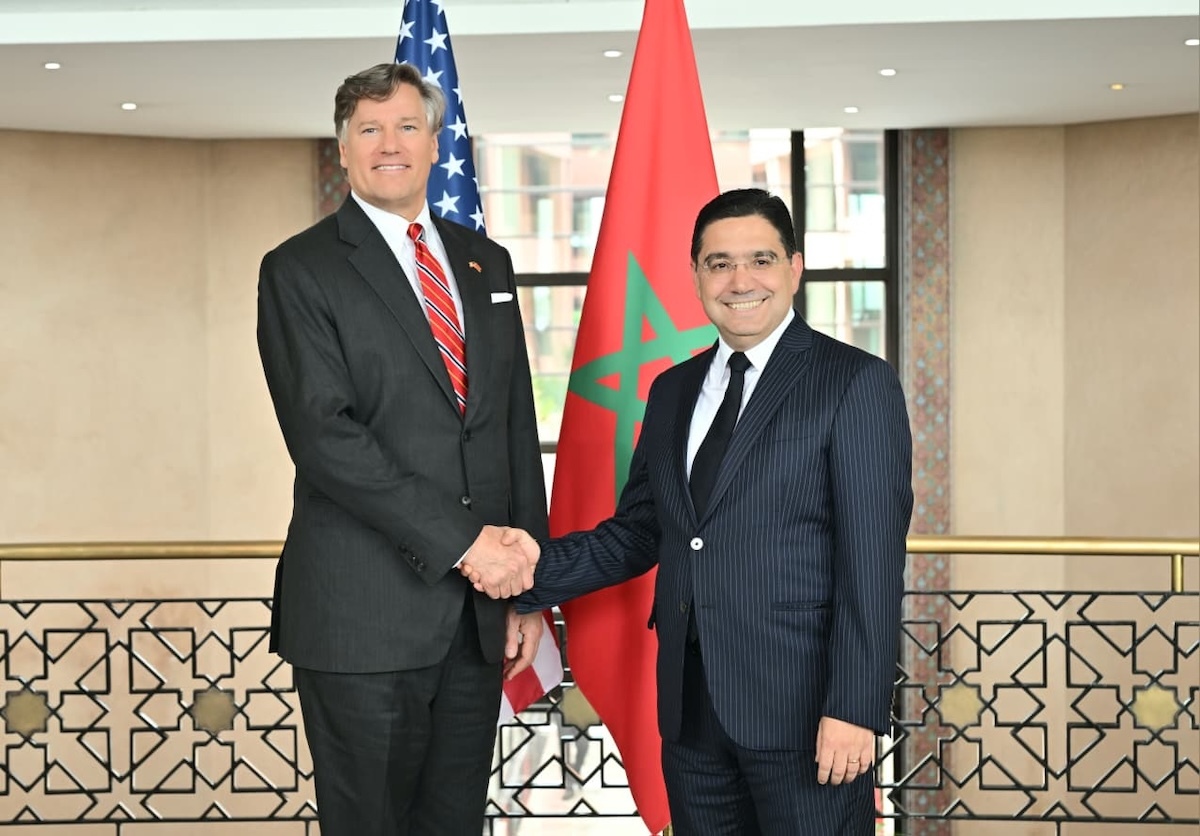
Landau had previously visited Algeria, where he met with President Abdelmadjid Tebboune and other Algerian officials as part of a tour aimed at conveying the Trump Administration’s intention to do everything possible to reach a solution to the Sahara conflict.
The message conveyed in Algiers is clear regarding the need for Algeria and the Polisario Front to accept Morocco’s proposal for broad autonomy for the Sahara and to negotiate a solution on these terms following several meetings in Madrid and Washington. A solution that would involve an agreement with Morocco for the return of refugees to the Moroccan Sahara and the dismantling of the Tindouf camps.

250 years and the space
Regarding bilateral relations, Landau expressed his gratitude to King Mohammed VI for his vision and leadership, which are propelling the 250-year partnership toward new horizons alongside President Donald Trump.
He noted that “over the past 250 years, the United States and Morocco have shared a common history as strategic allies and valuable partners.” The U.S. diplomat highlighted that the United States has “the oldest diplomatic building in the world in Tangier, and the newest one will open its doors on Thursday in Casablanca.”
“This is what true commitment and a lasting relationship look like,” because, he emphasized, “Morocco is an indispensable, stable, and strategic partner in North Africa, on the African continent, and on the international stage.”
The United States stated it was “delighted” to see the alliance with the Kingdom of Morocco extend into space
“Today we are pleased to see our partnership extend into space,” said Christopher Landau, following the signing of the Artemis Accords by Moroccan Minister Nasser Bourita. “The remarkable growth of the Artemis Accords, which now have sixty-four signatories from around the world, highlights the universal appeal of their vision for responsible space exploration,” he noted.
The Artemis Accords are a set of international principles designed to regulate civil space exploration in a peaceful and collaborative manner. They promote transparency among nations, the exchange of scientific data, mutual assistance in times of need, and respect for existing international law, particularly regarding the use of space resources.
These Agreements also emphasize the protection of space heritage and the sustainability of space activities, with the aim of preventing conflicts and ensuring that exploration benefits all of humanity.