
WASHINGTON (TNND) — Iran has reportedly sent the United States a revised peace proposal as the deadline arrives for Congress to weigh in on U.S. military operations involving Iran under the War Powers Act.
At the same time, Trump sent letters to Congress saying he considers the “hostilities” in the war “terminated” and didn’t need its approval to continue the conflict potentially. (TNND)
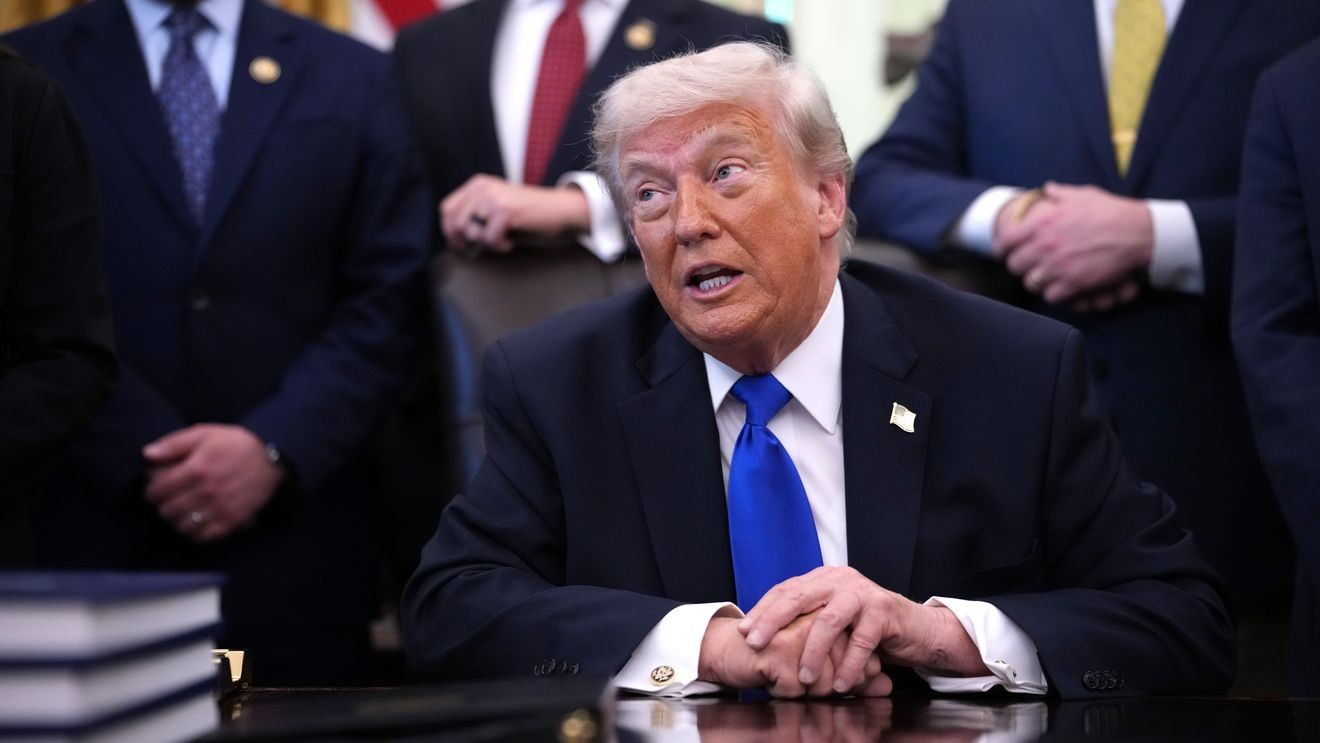
President Donald Trump expressed skepticism about the latest Iranian offer before heading to Florida on Friday.
“They want to make a deal, but I’m not satisfied with it,” he said.
At the same time, Trump sent letters to Congress saying he considers the “hostilities” in the war “terminated” and didn’t need its approval to continue the conflict potentially. He noted the ceasefire in his letters to the House and Senate.
“We’re always in touch with Congress, nobody’s ever sought it before, nobody’s ever asked for it before, it’s never been used before, why should we be different?” he told reporters.
Under federal law, presidents have 60 days to respond to threats with military force, after which they must withdraw troops or obtain congressional approval. On Thursday, Sen. Tim Kaine, D-Va., questioned Defense Secretary Pete Hegseth about whether the administration would seek authorization or provide additional documentation tied to the timeline.
“We’re right at the 60-day deadline. Is the president intending to either seek congressional authorization for the war in Iran or send us the legally required certification that he needs an additional 30 days to remove US forces from the war?” Kaine asked.
Hegseth said he would “defer to the White House and White House counsel,” but argued the current situation affects how the clock is calculated.
“We are in a ceasefire right now, which our understanding means the 60-day clock pauses or stops in a ceasefire,” Hegseth said.
The debate comes as public skepticism grows. A new Washington Post/ABC News/Ipsos poll found more than 60% of Americans think military action in Iran was a mistake. The poll also found nearly 80% of Republicans think strikes were the right move, but only 46% believe it has been a successful effort so far, with another 46% saying it is too soon to tell.
Even as the timeline is disputed, the U.S. naval blockade in the Strait of Hormuz continues, cutting off Iranian shipments and hitting Iran’s economy. The blockade has limited Iran’s ability to sell oil, mainly to China, sharply reducing money coming into the country.
“There’s definitely some economic pain being imposed on the country. The question is, for how long are they willing to endure this pain before coming to the negotiating table with a different set of red lines and demands?” said Jason Campbell, a senior fellow at the Middle East Institute.
On Thursday, a statement from Iran’s Supreme Leader, Mojtaba Khamenei, vowed to protect the country’s nuclear and missile capabilities, along with control of the strait. Trump told reporters Friday the U.S. still has the option to “blast the hell out of them” or make a deal.