
Wisconsin groups are among more than 80 organizations pressing the heads of the U.S. Environmental Protection Agency and Department of Health and Human Services for emergency action to protect drinking water from nitrate contamination.
The Union of Concerned Scientists, or UCS, is among groups that led the call for action. In a May 5 letter, they highlighted a recent report that found Iowa residents are at greater risk of various cancers due to widespread exposure to radon, pesticides, PFAS and nitrates in drinking water.
Iowa has some of the highest nitrate levels in drinking water that’s linked to widespread use of fertilizers and manure, and it has the most concentrated feeding animal operations of any state. It’s also one of the few states where cancer rates are rising.
Understanding Wisconsin, Together.
WPR’s “Wisconsin Today” newsletter keeps you connected to the state you love without feeling overwhelmed. No paywall. No agenda. No corporate filter.
While groups highlighted Iowa, UCS research director Stacy Woods said the problem exists in other states as well, including Wisconsin. Similar to Iowa, Wisconsin groups previously petitioned for action to address nitrate pollution.
“EPA and HHS can help identify where nitrate pollution is coming from, and also help communities bring those levels down,” Woods said.
Groups urged EPA Administrator Lee Zeldin and HHS Secretary Robert F. Kennedy Jr. to identify and eliminate sources of pollution nationwide, as well as to provide funding to communities to reduce nitrate levels. They urged agencies to use their authorities in public health emergencies to combat nitrate contamination, saying it’s reached crisis levels.
The letter notes that research has shown higher risks of colorectal, ovarian and kidney cancers tied to drinking water with nitrate levels lower than the current health standard of 10 milligrams per liter.
Woods said groups would like to see EPA examine recent studies to determine whether a more stringent nitrate standard is necessary to protect public health.
The Safe Drinking Water Act requires the EPA to evaluate drinking water standards at least once every six years and revise them if necessary. The agency said it’s beginning its next review regarding the risks of nitrates.
“In this process, EPA will deploy gold-standard science, seek public input, and consider newly available studies to inform future decisions,” the agency said.
HHS did not immediately respond to requests for comment.
Most nitrate pollution in drinking water comes from agriculture
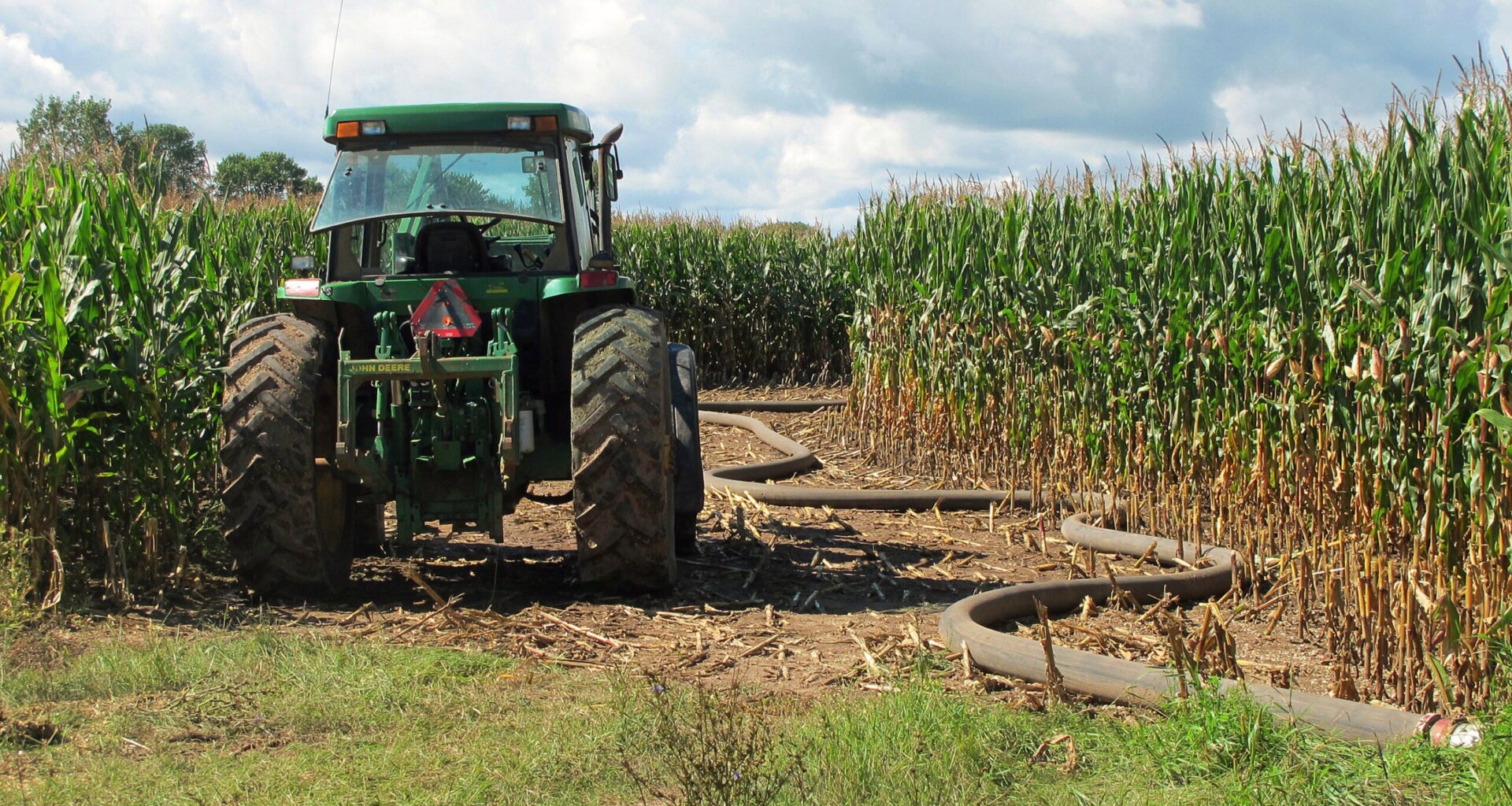
In Wisconsin, around 90 percent of nitrate contamination in Wisconsin’s groundwater can be traced back to agriculture, including manure and fertilizer spread on fields.
Nitrates are the state’s most widespread contaminant and have been associated with blue baby syndrome, thyroid disease and colon cancer. Most recent data shows about 4 percent of public water supplies and 7 percent of the state’s 800,000 private wells sampled have exceeded the nitrate health standard over the past two decades. Rates are higher than 20 percent in some areas.
Woods said they want to see agencies eliminate excess nitrogen on fields from manure or fertilizers. Crops need nitrogen to grow, but she said too much is often applied to fields that’s not taken up by plants. Instead, the nutrient runs off the land into nearby waterways or seeps into groundwater, contaminating water supplies.
In Wisconsin, businesses reported distributing more than 2.3 million tons of fertilizer from July 2023 to July 2024 that contained more than 400,000 tons of nitrogen that may have been spread on fields. That doesn’t include the estimated 12.5 billion gallons of manure produced by Wisconsin dairy cows each year — though it’s unclear how much may be spread in any given year.
Midwest Environmental Advocates, or MEA, is among groups that signed the letter, as well as Milwaukeee Riverkeeper and the League of Women Voters of Wisconsin. MEA released a report in 2022 that found nitrogen from manure and fertilizer exceeded recommended application rates in eight of nine counties examined.
Adam Voskuil, an MEA senior staff attorney, said reducing application rates or additional restrictions in areas vulnerable to groundwater contamination could help limit nitrate pollution.
“What we need to do is address how those sources are being applied to fields, to ensure that they’re not reaching and accumulating in groundwater in a way that’s causing a severe hazard to public health,” Voskuil said.
A 2020 report found nitrate pollution in drinking water is linked to negative health outcomes that are costing people in Wisconsin anywhere between $23 million and $80 million each year in medical expenses.
Woods said she would also like to see the U.S. Department of Agriculture fully fund conservation programs under the next farm bill, such as the Conservation Stewardship Program, that can help farmers adopt sustainable practices that reduce fertilizer use and protect water from nitrate contamination.
The Wisconsin Dairy Business Association has previously pointed to farmer-led watershed groups that have worked to preserve soil health and reduce farm runoff by encouraging conservation practices. The farm group declined to comment on the letter.
Wisconsin Public Radio, © Copyright 2026, Board of Regents of the University of Wisconsin System and Wisconsin Educational Communications Board.