
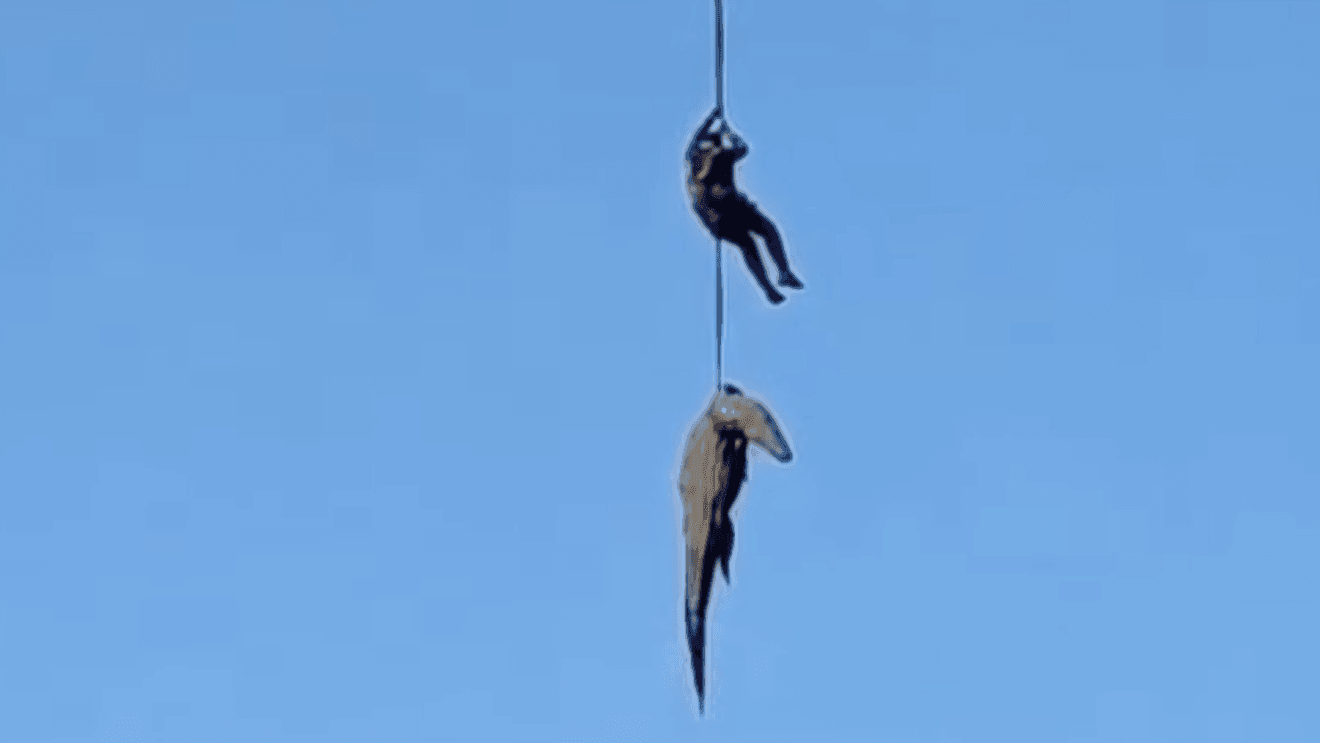
(TNND) — The remains of a missing South African hotel owner may have been found inside a 15-foot crocodile that was airlifted by police from the Komati River.
Gabriel Batista, 59, is believed to have been swept into the crocodile-infested waters last week after his vehicle became stuck during a period of heavy rainfall, authorities said.
Search and rescue teams spent days tracking the animal before euthanizing it in an attempt to recover Batista’s remains.
Video released by the South African Police Service (SAPS) shows Capt. Johan “Pottie” Potgieter, in a highly dangerous and complex operation, being hoisted from a SANPARKS helicopter into the water to retrieve the reptile using only a rope.
SAPS said the animal was then lifted and relocated, “enabling the police and other experts to recover the remains of a suspected missing person.”
Body parts found in the crocodile’s intestines are being analyzed for DNA to confirm Batista’s identity, according to police.
“Captain Potgieter’s willingness to place his own life at risk, going far beyond the call of duty, reflects the unwavering commitment of SAPS members to serve and protect,” Lt. Gen. Dimpane said in a statement.
Authorities confirmed to the New York Post that when the crocodile was cut open, two severed arms, half a rib cage and chunks of flesh were discovered. Officials added that a ring believed to belong to Batista was found on one of the fingers.
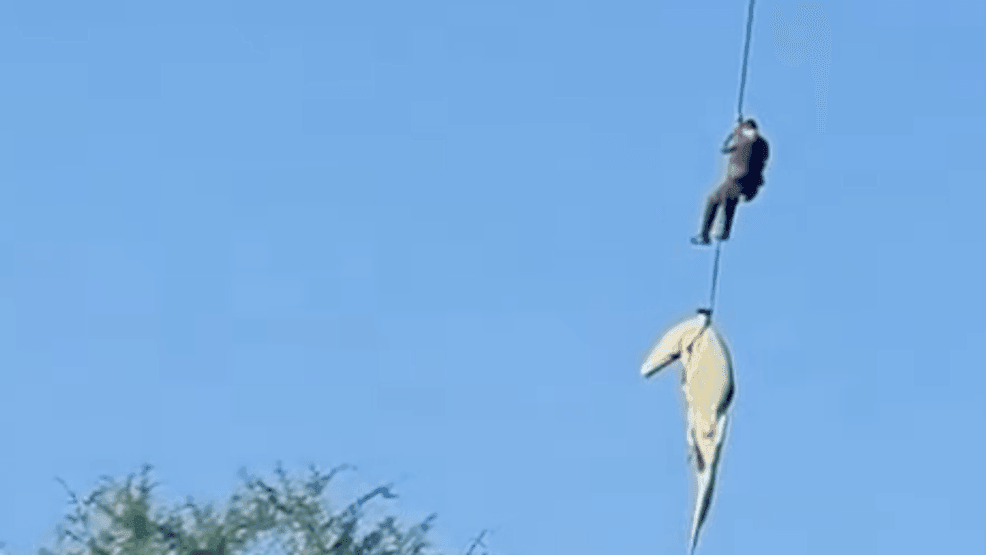
15-foot crocodile found with suspected remains of missing hotel owner after airlift (South African Police Service)
At least six pairs of shoes—none belonging to the victim—were also found in the reptile’s stomach. Police said they are working to determine whether any can be linked to other missing persons in the area.
Potgieter told the outlet that investigators identified the crocodile after noticing it remained motionless in the sun and showed signs of recent feeding, with a “massively full tummy” while staying out of the water.
“He made no effort to move despite the noise of the drones or our chopper overhead, or any inclination to seek out food, so we were sure it was this crocodile,” he said. “There were so many things that could go wrong, and the rope basically lowered me onto the snout of the crocodile, so I was kind of hoping it really was properly dead.”
Potgieter added that two nearby crocodiles watched closely as he secured a harness around the animal’s body.
“Then I signaled to the chopper, and it just took me straight up, leaving a lot of big crocodiles behind. Then we flew to a landing zone to open the croc up,” he said.