

U.S. Coconut Water Market Size
The U.S coconut water market size was valued at USD 5.51 billion in 2025 and is anticipated to reach USD 6.86 billion in 2026 to reach USD 39.80 billion by 2034, growing at a CAGR of 24.57% during the forecast period from 2026 to 2034.
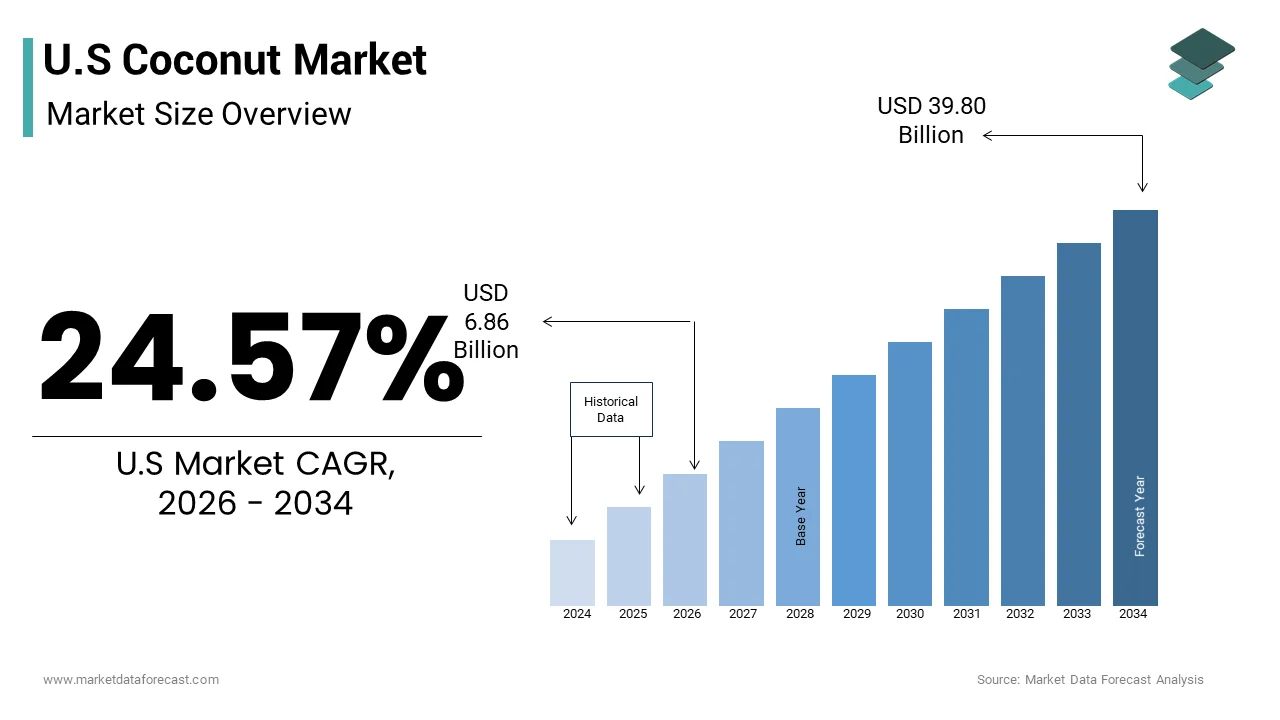
Coconut water represents a dynamic segment within the broader non-alcoholic beverage industry, characterized by the consumption of the clear liquid found inside young green coconuts. This natural hydrator is distinct from coconut milk, which is derived from the grated meat of mature coconuts. The market has evolved from an exotic niche product into a mainstream functional beverage, driven by consumer demand for natural hydration and electrolyte replenishment. According to the U.S. Department of Agriculture, imports of fresh coconuts and coconut products have seen steady growth, reflecting the increasing domestic demand for tropical fruit derivatives. The regulatory environment requires strict adherence to Food and Drug Administration guidelines regarding labeling and pasteurization to ensure safety and quality. Consumers are increasingly drawn to coconut water for its low calorie content and high potassium levels, which support cardiovascular health and muscle function. The industry is marked by a dichotomy between premium cold-pressed brands that emphasize minimal processing and mass market options that utilize concentrates and added sugars. Retail availability has expanded beyond specialty health food stores to include major supermarkets, convenience stores, and vending machines. The integration of coconut water into fitness and wellness routines has solidified its position as a preferred post-workout recovery drink. Sustainability concerns regarding sourcing and packaging are becoming central to brand differentiation strategies. The market reflects a balance between functional benefits and lifestyle appeal, catering to health-conscious demographics. Innovation in flavor infusions and hybrid beverages continues to shape product offerings and consumer preferences.
MARKET DRIVERS Rising Health Consciousness and Natural Hydration Demand
The rising focus of consumers on health and wellness, particularly the desire for natural hydration solutions is majorly fuelling the growth of the U.S. coconut water market. Americans are increasingly aware of the negative health impacts of sugary sports drinks and artificial beverages, leading them to seek cleaner alternatives. As per the National Institutes of Health, approximately 75% of the American population may experience chronic dehydration, creating a substantial baseline demand for flavorful yet healthy hydration options. Coconut water serves as an ideal substitute due to its natural electrolyte profile, including potassium, magnesium, and sodium, which are essential for maintaining fluid balance. The perception of coconut water as a pure and unprocessed product enhances its appeal among individuals prioritizing clean labels and minimal ingredients. Fitness enthusiasts and athletes rely on coconut water for rehydration after intense physical activities, due to its ability to replenish lost minerals without adding excessive calories. The availability of organic and non-GMO certified options further attracts health-conscious consumers who scrutinize product origins. Retailers respond to this trend by expanding their natural beverage sections and promoting coconut water as a premium hydration choice. The consistent messaging from nutritionists and health professionals reinforces the benefits of natural electrolytes over synthetic additives. This sustained focus on health ensures that coconut water remains a preferred choice for daily consumption and active lifestyles. The alignment with broader wellness trends drives continuous growth and market expansion.
Expansion of Fitness Culture and Post-Workout Recovery Trends
The robust fitness culture in the U.S. significantly drives the demand for coconut water as a natural post-workout recovery beverage, which is further boosting the coconut water market expansion in the U.S. Consumers engaging in regular exercise seek effective ways to rehydrate and restore energy levels without consuming artificial ingredients. According to the Health and Fitness Association, over 72 million Americans were members of a health club in 2023, creating a large target audience for functional beverages. Coconut water is marketed extensively as a natural alternative to traditional sports drinks, offering similar hydration benefits with fewer calories and no artificial colors or flavors. The high potassium content in coconut water helps prevent muscle cramps and supports cardiovascular function during and after exercise. Fitness influencers and professional athletes often endorse coconut water brands, amplifying its visibility and credibility among active consumers. Gyms and fitness centers increasingly stock coconut water in their cafes and vending machines to cater to member preferences. The trend towards holistic health and natural recovery methods aligns perfectly with the value proposition of coconut water. Brands leverage this connection by sponsoring fitness events and partnering with wellness apps to reach targeted audiences. The convenience of single-serve packaging makes it easy for consumers to carry and consume immediately after workouts. This driver ensures that coconut water remains integral to the fitness and recovery ecosystem. The growing participation in endurance sports and high-intensity training further boosts demand for effective natural hydration solutions.
MARKET RESTRAINTS High Cost Compared To Traditional Beverages
The relatively high price point of coconut water compared to traditional beverages, such as tap water, soda, and even some sports drinks is majorly hampering the U.S. coconut water market growth. Producing and importing coconut water involves complex supply chains and processing costs that contribute to higher retail prices. As per the Bureau of Labor Statistics, the consumer price index for non-alcoholic beverages increased by 1.3% in March 2024, which is making price-sensitive consumers hesitant to adopt premium options regularly. Many consumers view coconut water as a luxury item rather than a daily staple, limiting its frequency of purchase. The economic disparity among different demographic groups means that lower-income households may prioritize cheaper hydration alternatives. Retailers often place coconut water in the premium beverage aisle, which can deter budget-conscious shoppers from exploring the category. Promotional discounts and bulk purchasing options help mitigate this barrier but do not fully eliminate the price gap. The perception of limited value for money compared to free tap water or inexpensive bottled water further restricts mass adoption. Consumers may reserve coconut water for special occasions or intense workout sessions rather than daily consumption. This pricing constraint limits the potential market size and slows down penetration into broader consumer segments. Manufacturers face pressure to reduce costs without compromising quality, which is challenging given the natural nature of the product. The high cost remains a critical factor influencing purchasing decisions and market accessibility.
Supply Chain Vulnerabilities and Import Dependency
The U.S. coconut water market relies heavily on imports from tropical regions, such as Thailand, Brazil, and the Philippines, making it vulnerable to supply chain disruptions. Climate change, extreme weather events, and geopolitical instability in these producing countries can significantly impact coconut yields and availability. As per the Food and Agriculture Organization of the United Nations, global coconut production has faced challenges as nearly 50% of coconut trees in some regions are currently over 60 years old and exhibit declining yields. These disruptions cause price volatility and shortages that affect the consistency of product availability in the US market. Transportation logistics, including shipping delays and port congestion, further exacerbate supply chain challenges, increasing lead times and costs. The dependence on foreign sources limits the ability of US manufacturers to control raw material quality and pricing directly. Any interruption in the supply chain can result in stockouts and lost sales opportunities for brands. Companies must invest in diversified sourcing strategies and long-term contracts with suppliers to mitigate these risks. However, these measures often increase operational complexity and costs. The lack of domestic coconut production on a commercial scale means that the US market will remain dependent on imports for the foreseeable future. This structural vulnerability poses a persistent challenge to market stability and growth. Ensuring a reliable and sustainable supply of coconuts is essential for meeting consumer demand and maintaining brand reputation.
MARKET OPPORTUNITIES Innovation in Flavor Infusions and Hybrid Beverages
The development of innovative flavor infusions and hybrid beverages is a promising opportunity for the U.S. coconut water market growth. Consumers are seeking novel taste experiences that combine the natural benefits of coconut water with other popular fruits and functional ingredients. According to Mintel, approximately 45% of consumers are interested in functional beverages with added benefits like energy or stress relief, prompting product launches featuring combinations with mango, pineapple, lime, and even coffee or tea. These creative blends attract consumers looking for variety and enhanced sensory appeal beyond plain coconut water. The integration of adaptogens, vitamins, and probiotics into coconut water creates functional beverages that support specific health goals, such as immunity, digestion, and stress relief. This convergence of hydration and wellness appeals to health-conscious individuals who value multifunctional products. Brands can differentiate themselves by offering unique flavor profiles that stand out in a crowded market. Limited edition releases and seasonal flavors generate excitement and encourage trial among curious buyers. The use of natural sweeteners and low-sugar formulations addresses health concerns while maintaining taste satisfaction. Packaging innovations, such as vibrant labels and eco-friendly materials, further enhance product appeal. Collaborations with culinary experts and influencers help promote these innovative offerings to targeted audiences. This opportunity allows brands to expand their customer base and increase consumption frequency. By continuously introducing new variations, producers can retain existing customers and attract new ones. The versatility of coconut water as a base for flavor infusion ensures endless possibilities for product development.
Expansion into Sustainable and Eco-Friendly Packaging
The shift towards sustainable and eco-friendly packaging offers a lucrative opportunity for the U.S. coconut water market. Increasing awareness of plastic pollution has led consumers to prefer brands that prioritize recyclable, biodegradable, or compostable packaging solutions. As per the Environmental Protection Agency, the recycling rate for PET bottles and jars in the U.S. was approximately 29.1% in recent years, prompting companies to explore alternative materials. Coconut water brands can leverage this trend by adopting aluminum cans, glass bottles, or plant-based plastics that reduce environmental impact. Aluminum cans are infinitely recyclable and have a higher recycling rate than plastic bottles, making them an attractive option for eco-conscious consumers. Glass bottles convey a premium image and are perceived as safer and more sustainable, although they are heavier to transport. Brands that transparently communicate their sustainability efforts through labeling and marketing campaigns build trust and loyalty among environmentally aware shoppers. Partnerships with recycling organizations and initiatives to support circular economy practices enhance brand reputation. Retailers are increasingly favoring suppliers with strong sustainability credentials, providing shelf space advantages. The adoption of sustainable packaging can also help companies comply with emerging regulatory requirements regarding single-use plastics. This opportunity allows brands to differentiate themselves and appeal to a growing segment of responsible consumers. By leading the way in sustainable packaging, coconut water companies can drive positive change and secure long-term competitive advantage.
MARKET CHALLENGES Quality, Consistency and Taste Variability
Maintaining consistent quality and taste across different batches of coconut water is a significant challenge for manufacturers in the U.S. market. As a natural product, coconut water varies in sweetness, acidity, and flavor profile depending on the age of the coconut, soil conditions, and harvest time. According to recent consumer research, taste remains the primary driver for 78% of beverage purchases, making it difficult to achieve uniformity without adding sugars or flavorings, which contradicts the clean label promise many brands make. Consumers expect a consistent drinking experience every time they purchase a product, and deviations can lead to dissatisfaction and brand switching. Pasteurization processes used to extend shelf life can also alter the natural taste of coconut water, making it less appealing to purists. Cold-pressed options retain better flavor but have shorter shelf lives and higher costs, limiting their distribution reach. Balancing natural authenticity with commercial viability requires advanced processing technologies and rigorous quality control measures. Small-batch producers struggle more with consistency due to limited resources for standardization. Negative consumer reviews regarding taste variability can damage brand reputation and hinder growth. Educating consumers about the natural variations in coconut water helps manage expectations but does not fully resolve the issue. Manufacturers must invest in blending techniques and sourcing strategies to minimize fluctuations. This challenge requires continuous innovation in processing and packaging to preserve freshness and flavor. Ensuring product consistency is critical for building consumer trust and loyalty in a competitive market.
Consumer Confusion Regarding Product Authenticity
Consumer confusion regarding the authenticity and purity of coconut water products is further challenging the U.S. market expansion. The market is saturated with various forms of coconut water, including fresh, cold-pressed, from concentrate, and reconstituted versions, which often lack clear labeling distinctions. As per the Food and Drug Administration, approximately 10% of coconut water products tested in various global compliance studies have shown discrepancies in sugar content or ingredient labeling, allowing for certain additives and processing aids that may not be immediately apparent to consumers. Many shoppers are unaware of the differences between these types and may inadvertently purchase products with added sugars or preservatives, believing them to be 100% natural. This lack of transparency erodes trust and leads to skepticism about the health benefits of coconut water. Misleading marketing claims, such as natural or pure without specific definitions, further complicate consumer decision-making. Negative experience with inferior products can discourage consumers from trying other brands in the category. Industry associations and advocacy groups are working to establish clearer standards and certifications, but progress is slow. Brands that prioritize transparency and third-party verification can differentiate themselves but face higher costs. Educating consumers about how to read labels and identify high-quality products is essential for building confidence. This challenge requires collaborative efforts from regulators, manufacturers, and retailers to improve clarity and honesty in product representation. Without greater transparency, the market risks losing credibility and consumer confidence.
REPORT COVERAGE
REPORT METRIC
DETAILS
Market Size Available
2025 to 2034
Base Year
2025
Forecast Period
2026 to 2034
CAGR
24.57%
Segments Covered
By Flavor, Product, Distributional Channel, and By Country
Various Analyses Covered
Global, Regional, and Country Level Analysis, Segment-Level Analysis; DROC, PESTLE Analysis; Porter’s Five Forces Analysis; Competitive Landscape; Analyst Overview of Investment Opportunities.
Regions Covered
California, Washington, Oregon, New York & Rest of the United States
Market Leaders Profiled
Amazon.com Inc., Amy and Brian Naturals, Blue Monkey Collection, Vita Coco, Boho Chax, C2O Coconut Water, Zico Coconut Water, Celebes Coconut Corp., CMG Partners Inc., Edward and Sons Trading Co., Equator Beverage Co, Goya Foods Inc., Harmless Harvest Inc., Iberia Foods Corp., iTi Tropicals Inc, Keurig Dr Pepper Inc., LQC Inc, OSena, PepsiCo Inc., Taste Nirvana International Inc., The Kraft Heinz Co., ZICO Rising Inc
SEGMENTAL ANALYSIS By Flavor Insights
The plain coconut water segment led the market by holding the highest share of the U.S. market in 2025. The dominance of plain coconut water segment in the U.S. market is driven by consumer preference for natural, unadulterated hydration. This category includes pure coconut water without added flavors, sugars, or preservatives, appealing to health-conscious individuals seeking clean label products. Plain coconut water dominates because it aligns with the growing consumer demand for transparency and minimal processing in food and beverage choices. Americans are increasingly scrutinizing ingredient lists and avoiding artificial additives, synthetic flavors, and added sugars. According to the International Food Information Council, approximately 72% of consumers say they find healthfulness important when choosing foods and beverages, which drives preference for unsweetened and unflavored beverages. Plain coconut water offers a naturally sweet taste derived solely from the fruit, eliminating the need for additional sweeteners. This purity appeals to parents, fitness enthusiasts, and individuals managing specific health conditions, such as diabetes or hypertension. The perception of plain coconut water as a functional superfood rich in potassium and electrolytes reinforces its status as a healthy staple. Retailers prioritize plain varieties in prominent shelf positions due to high turnover rates and broad demographic appeal. Brands emphasize sourcing from organic farms and non-GMO projects to further enhance trust and credibility. The simplicity of the product allows it to be versatile for mixing into smoothies or consuming directly after workouts. This widespread acceptance ensures that plain coconut water remains the cornerstone of the market. The alignment with wellness trends and clean eating movements sustains its leadership position. Consumers view plain coconut water as the most authentic representation of the fruit, providing maximum health benefits without compromise.
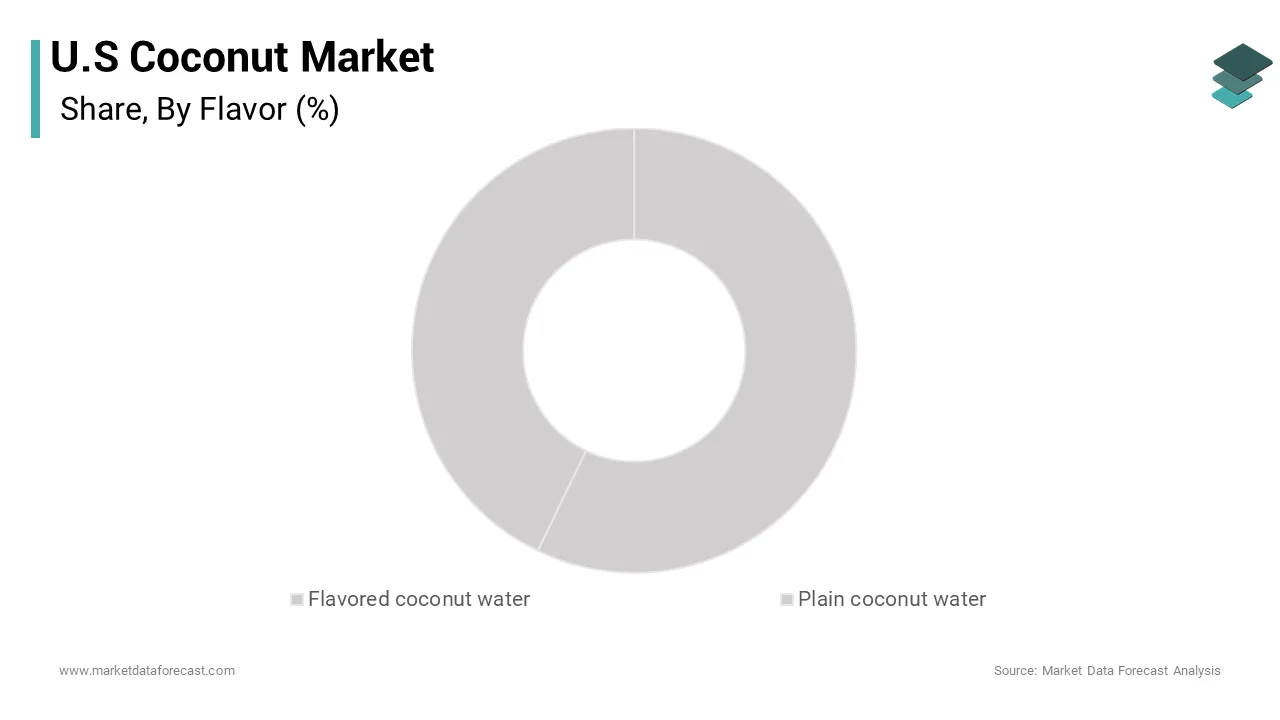
On the other hand, the flavored segment is anticipated to register a promising CAGR in the U.S. market during the forecast period owing to the innovation in taste profiles and appeal to younger demographics. Flavored coconut water is growing rapidly due to continuous innovation in exotic fruit combinations that attract consumers seeking novel sensory experiences. Brands are blending coconut water with popular fruits, such as mango, pineapple, lime, and passion fruit, to create refreshing and unique tastes. As per Mintel, 34% of social media users who follow food and drink brands are interested in limited-edition flavors, which resonate with adventurous eaters and drinkers. These combinations mask the occasional earthy notes of pure coconut water, making it more palatable for first-time users. The visual appeal of colorful packaging and vibrant branding further enhances attraction on retail shelves. Younger consumers, particularly millennials and Generation Z, are drawn to these innovative flavors, which align with their desire for Instagram-worthy and experiential products. Limited edition releases and seasonal flavors create urgency and encourage trial among curious buyers. The integration of functional ingredients, such as ginger, turmeric, or adaptogens, into flavored variants adds health benefits that appeal to wellness-oriented shoppers. This strategy allows brands to differentiate themselves in a crowded market and command premium prices. The diversity of flavor options ensures that there is something for every palate, expanding the potential customer base. The continuous introduction of new blends keeps the category dynamic and engaging. This focus on innovation drives sustained interest and market expansion for flavored coconut water.
By Product Insights
The unsweetened segment led the market with the highest share of the U.S. coconut water market in 2025 due to strong consumer preference for natural products without added sugars. This category includes pure coconut water that relies on the natural sweetness of the fruit, appealing to health-conscious buyers. Unsweetened coconut water dominates because it aligns with the pervasive trend of sugar avoidance and health consciousness among American consumers. Individuals are actively seeking beverages that do not contribute to excessive calorie intake or blood sugar spikes. As per the Centers for Disease Control and Prevention, the prevalence of obesity in the U.S. was 41.9% in recent years, prompting a shift towards low-calorie and zero-added-sugar drinks. Unsweetened coconut water provides natural hydration and electrolytes without the burden of additional sweeteners, such as cane sugar or high fructose corn syrup. This purity makes it an ideal choice for diabetics, individuals on ketogenic diets, and those managing weight. The clean label movement encourages transparency and simplicity in ingredients, which unsweetened products exemplify. Parents prefer unsweetened options for their children to establish healthy drinking habits early in life. Fitness professionals recommend unsweetened coconut water for post-workout recovery, as it replenishes fluids without unnecessary calories. Retailers highlight unsweetened varieties in health and wellness sections, attracting targeted shoppers. The trust in natural sweetness from the coconut itself reduces skepticism about hidden additives. This segment benefits from the broader cultural shift towards whole foods and minimal processing. The consistent demand for authentic and healthy beverages ensures that unsweetened coconut water remains the market leader. Consumer education about the natural sugar content in coconuts further supports acceptance of this category.
However, the sweetened coconut water segment is growing at the fastest rate and is expected to showcase a promising CAGR in the U.S. market during the forecast period owing to the affordability and broader mass market appeal. Sweetened coconut water is experiencing rapid growth because it is generally more affordable than premium unsweetened options, making it accessible to a wider audience. The addition of water and sugar reduces production costs, allowing manufacturers to offer competitive pricing. According to the Bureau of Labor Statistics, the price of sugar and sweets rose 3.4% over the last 12 months, yet sweetened beverage alternatives often remain more budget-friendly than raw, unprocessed imports. Sweetened coconut water provides the familiar taste and some benefits of coconut water at a lower price point. This affordability encourages trial among budget-conscious families and individuals who may not justify the cost of pure coconut water for daily consumption. Large-scale retailers and discount stores stock sweetened varieties extensively, increasing visibility and availability. The longer shelf life of some sweetened products, due to pasteurization and preservatives, also reduces waste and logistical costs. This economic advantage allows brands to penetrate rural and suburban markets, where premium options may be less common. Promotional deals and bulk discounts further enhance the value proposition for shoppers. The accessibility of sweetened coconut water democratizes the category, allowing more people to experience its benefits. While health-conscious consumers may prefer unsweetened versions, the mass market drives volume growth through affordable options. This segment bridges the gap between luxury and everyday hydration, ensuring broad market participation. The balance of cost and taste sustains its rapid expansion.
By Distribution Channel Insights
The supermarkets and hypermarkets segment accounted for the leading share of the U.S. coconut water market in 2025. The growth of the supermarkets and hypermarkets segment in the U.S. market is attributed to the extensive reach and high foot traffic. These retail channels provide one-stop shopping experiences where consumers can purchase coconut water alongside groceries. Supermarkets and hypermarkets dominate because they attract millions of shoppers weekly, offering unparalleled convenience for purchasing coconut water. As per the Food Marketing Institute, supermarkets account for about 85% of total grocery sales in the U.S., providing a primary destination for household provisioning. Consumers prefer buying beverages during routine grocery trips to save time and effort. The presence of coconut water in the beverage aisle, alongside juices, sodas, and waters, ensures high visibility and easy access. Retailers dedicate significant shelf space to popular coconut water brands, catering to diverse consumer preferences. The ability to compare prices and read labels in person supports informed purchasing decisions. Family-sized packs and multi-bundles are commonly available in supermarkets, appealing to households with multiple members. Promotional displays and end-cap features during peak seasons, such as summer and holidays, boost sales volumes. The trusted environment of established supermarket chains builds consumer confidence in product quality and safety. Loyalty programs and digital coupons offered by supermarkets incentivize repeat purchases and brand switching. The integration of online ordering and curbside pickup extends the reach of supermarkets to digital shoppers. These factors collectively sustain the leading position of supermarkets in coconut water distribution. The broad demographic appeal ensures that coconut water reaches a wide audience. The consistent availability and variety make supermarkets the primary source for coconut water purchases.
On the other end, the online retail stores segment is estimated to record a healthy CAGR in the U.S. market during the forecast period owing to the convenience of home delivery and expanding e-commerce infrastructure. The compound annual growth rate for online sales is high, as consumers increasingly prefer digital shopping. Online retail stores are growing rapidly because they offer the convenience of home delivery and subscription models that ensure a regular supply of coconut water. As per Statista, online grocery sales in the U.S. are projected to grow at an annual rate of 11.7% through 2027, as consumers seek hassle-free shopping experiences. The ability to order heavy cases of coconut water and have them delivered to the doorstep appeals to busy individuals and families. Subscription services allow customers to automate purchases, ensuring they never run out of their favorite brands. This model enhances customer retention and provides predictable revenue streams for retailers. Online platforms offer a wider selection of niche and premium brands that may not be available in local stores. Detailed product descriptions, reviews, and ratings help consumers make informed decisions. The elimination of travel time and parking hassles makes online shopping an attractive alternative. Retailers invest in secure packaging and reliable logistics to ensure that products arrive in perfect condition. Personalized recommendations based on purchase history enhance the user experience and drive repeat business. The flexibility to schedule deliveries at convenient times adds to the appeal. These factors collectively drive the rapid growth of online coconut water sales. The expansion of digital infrastructure supports seamless transactions. The shift towards digital consumption habits ensures sustained growth.
U.S. MARKET ANALYSIS
The United States is expected to maintain its position as a global leader in beverage trends over the next few years, as consumers increasingly integrate coconut water into daily functional wellness routines. The country serves as a global leader in innovation and sustainability initiatives within the industry. The U.S. maintains its dominant position in the regional market through high per capita consumption and a deeply entrenched culture of health and wellness. Americans consume more coconut water per person than any other region, reflecting a strong preference for natural hydration. As per the U.S. Department of Agriculture, imports of coconut water reached record levels in 2023, demonstrating the scale of demand. This high consumption is driven by widespread health consciousness and the convenience of portable packaging. The market is mature, with established brands and robust distribution networks ensuring widespread availability. Consumers in the U.S. are sophisticated and demanding, seeking premium and functional options that align with their lifestyles. The presence of numerous domestic and international brands provides a diverse range of choices. The regulatory framework ensures high quality standards, which builds consumer trust. The maturity of the market encourages continuous innovation in packaging and product formulations. Companies invest heavily in marketing and sustainability initiatives to differentiate themselves. The strong economic base supports premium pricing for specialized coconut water products. This combination of high volume and value ensures that the U.S. remains the centerpiece of the North American coconut water landscape. The market’s stability and growth potential attract significant investment and strategic focus from global players. The integration of coconut water into daily routines ensures sustained demand.
COMPETITIVE LANDSCAPE
The competitive landscape of the U.S. coconut water market is characterized by intense rivalry among established global brands and emerging niche producers. Major players compete on product quality branding and distribution reach to capture consumer attention in a growing segment. The rise of private label offerings from large retailers has intensified price competition forcing national brands to emphasize value and differentiation. Innovation in flavors and packaging provides a competitive edge for companies seeking to stand out in crowded aisles. Health trends favor brands that can verify organic certification and clean label claims. Retailers play a crucial role by deciding which brands gain prime shelf space and promotional support. The influence of social media and influencer marketing shapes consumer perceptions and drives trial. Consolidation activities allow larger firms to expand portfolios and eliminate smaller competitors. Market dynamics require continuous adaptation to changing consumer tastes and regulatory requirements. Brand storytelling and authenticity are key factors influencing purchasing decisions. This highly competitive environment forces companies to innovate constantly and optimize operations. Maintaining relevance requires strategic focus on quality sustainability and consumer engagement. The balance between mass appeal and niche specialization defines the current competitive structure.
KEY MARKET PLAYERS
A few of the market players that are dominating the U.S coconut market are
Amazon.com Inc. Amy and Brian Naturals Blue Monkey Collection Vita Coco Boho Chax C2O Coconut Water Zico Coconut Water Celebes Coconut Corp. CMG Partners Inc. Edward and Sons Trading Co. Equator Beverage Co Goya Foods Inc. Harmless Harvest Inc. Iberia Foods Corp. iTi Tropicals Inc Keurig Dr Pepper Inc. LQC Inc OSena PepsiCo Inc. Taste Nirvana International Inc. The Kraft Heinz Co. ZICO Rising Inc Top Three Players In The Market Vita Coco stands as a pioneering force in the U.S. coconut water sector having popularized the category among mainstream consumers. The brand focuses on delivering pure hydration sourced from young green coconuts with an emphasis on ethical sourcing and community support. Recent strategic initiatives include expanding its product line to include flavored varieties and functional blends with added electrolytes. Vita Coco has invested heavily in sustainable packaging solutions such as plant based caps to reduce environmental impact. The company actively engages in digital marketing campaigns targeting fitness enthusiasts and health conscious individuals. Partnerships with major retail chains ensure widespread availability across supermarkets and convenience stores. Vita Coco continues to emphasize transparency in its supply chain building trust with informed consumers. These actions reinforce its position as a leader in natural hydration. The brand’s commitment to quality and sustainability resonates with modern buyers seeking authentic products. This holistic approach ensures sustained growth and brand loyalty in a competitive landscape. Harmless Harvest distinguishes itself in the US market through a steadfast commitment to organic certification and regenerative agriculture practices. The company sources its coconuts from small scale farmers in Latin America ensuring fair trade principles and environmental stewardship. Recent actions involve launching pink coconut water varieties which retain natural antioxidants due to minimal processing. Harmless Harvest has expanded its distribution network to include premium grocery outlets and specialty health stores. The brand emphasizes its B Corp certification to appeal to socially responsible consumers who value ethical business practices. Investments in cold chain logistics preserve the fresh taste and nutritional integrity of the product. Harmless Harvest collaborates with environmental organizations to promote biodiversity and soil health. These efforts strengthen its reputation as a premium and conscientious choice in the beverage aisle. The focus on purity and social impact differentiates the brand from conventional competitors. This strategy attracts loyal customers who prioritize sustainability and health in their purchasing decisions. Zico Coconut Water leverages the backing of The Coca Cola Company to maintain a strong presence in the U.S. beverage market. The brand offers a range of coconut water products including pure unsweetened options and flavored variations. Recent strategies focus on revitalizing the brand image through modern packaging designs and targeted advertising campaigns. Zico has introduced new flavor combinations such as lime and mango to attract younger demographics seeking variety. The company utilizes its extensive distribution infrastructure to ensure product availability in vending machines and quick service restaurants. Zico emphasizes the natural electrolyte benefits of coconut water for active lifestyles and post workout recovery. Collaborations with fitness influencers help promote the brand within the wellness community. The integration of Zico into broader Coca Cola portfolios allows for cross promotional opportunities. These actions enhance visibility and drive sales volume in a crowded market. The brand continues to innovate while maintaining its core promise of natural hydration. This balanced approach supports long term competitiveness and consumer engagement. Top Strategies Used By Key Market Participants
Key players in the U.S. coconut water market employ diverse strategies to maintain competitiveness and drive growth. Product innovation is central as companies introduce new flavors and functional blends to attract evolving consumer preferences. Sustainability initiatives focus on eco friendly packaging and ethical sourcing to appeal to environmentally conscious buyers. Strategic partnerships with retailers ensure optimal shelf placement and visibility in high traffic areas. Digital marketing campaigns leverage social media platforms to engage younger demographics and build brand loyalty. Expansion into on premise channels such as gyms and cafes enhances brand presence and trial. Educational efforts promote the natural benefits of coconut water over artificial sports drinks. Companies prioritize quality consistency to build trust and repeat purchases. These combined approaches help operators navigate market dynamics while ensuring long term profitability in a growing industry landscape.
MARKET SEGMENTATION
This research report on the U.S coconut water market is segmented and sub-segmented into the following categories.
By Flavor
Flavored coconut water Plain coconut water
By Product
Sweetened coconut water Unsweetened coconut water
By Packaging Type
By Distribution Channel
Supermarkets/Hypermarkets Convenience Stores Online Retail Stores Specialty Stores
By Country
California Washington Oregon New York Rest of the United States