
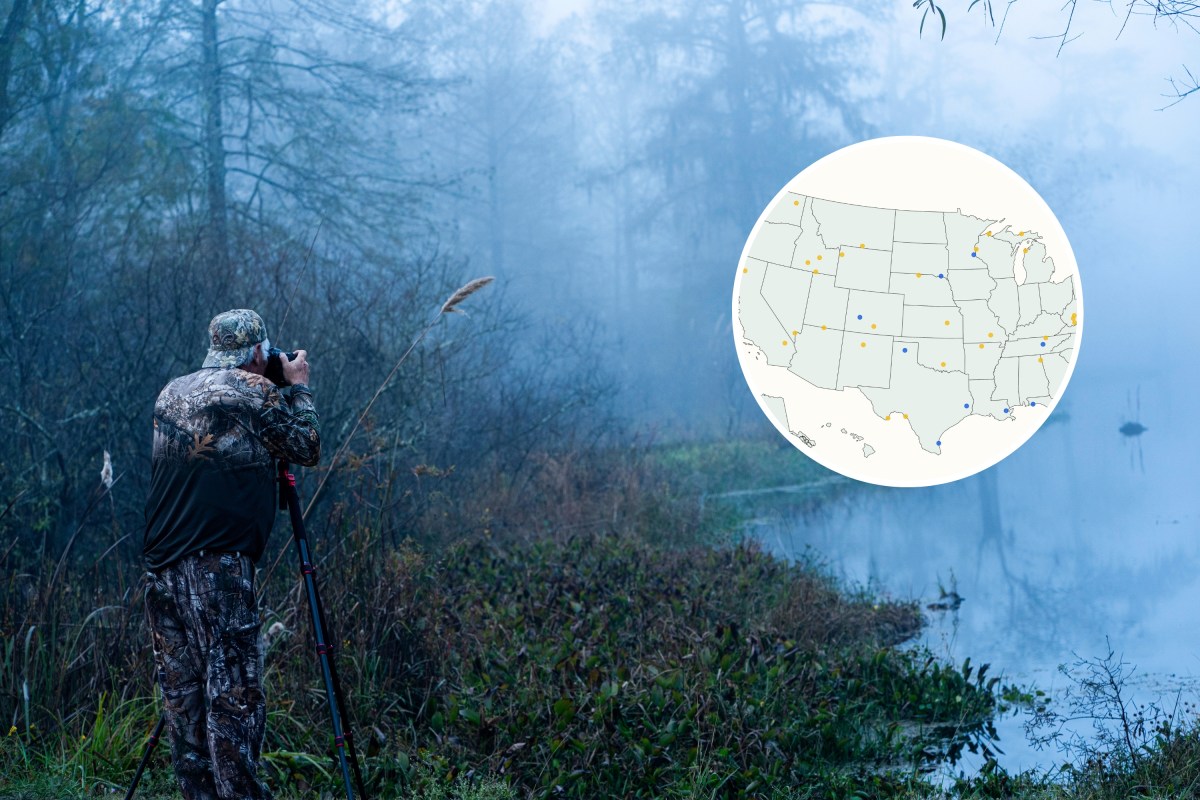
Dozens of National Park Service (NPS) sites across the country could see hunting restrictions eased after the Interior Department ordered managers in an internal memo to remove what it called unnecessary barriers to hunting and fishing.
The New York Times reported that the April 21 memo from Interior Secretary Doug Burgum directed managers of public lands to remove several existing restrictions on hunting and trapping, applying to about 76 sites where such activities are already allowed but regulated for safety or conservation.
It comes after a January Interior Department Secretarial Order, which directed its bureaus and offices to “identify and remove unnecessary regulatory or administrative barriers to hunting and fishing on Department-managed lands and waters.” The Times first reported on the changes.
“[The order] advances a commonsense approach to public land management by expanding access to hunting and fishing opportunities where it can be done safely and responsibly,” the Department of the Interior told Newsweek. “For decades, sportsmen and women have been some of the strongest stewards of our public lands, and this order ensures their access is not unnecessarily restricted by outdated or overly broad limitations that are not required by law.”
Why It Matters
Conservation groups have raised concerns about visitor safety and wildlife management, while some hunting organizations have welcomed the change.
Responding to the January order, Joel Pedersen, president and CEO for the Theodore Roosevelt Conservation Partnership—a nonprofit that has advocated for preserving access for hunters and fishers—said: “Hunters and anglers have long been central to conserving wildlife and habitat in this country—funding conservation and supporting science-based management—and these actions help reinforce that legacy.”
Meanwhile, the National Parks Conservation Association (NPCA), which advocates on behalf of the National Parks System, said it was “deeply concerned” by the April memo.
“In national parks, management decisions must start with public safety and natural resource conservation—not with what appears to be a highly questionable directive to remove what someone deems as barriers to hunting and trapping,” NCPA director Stephanie Adams said in a statement.
What To Know
According to the NPS, hunting is permitted in 76 of its units, trapping is allowed in 31 units, and fishing is allowed in waters across 213 units.
The agency says roughly 51 million acres under its management are open to hunting—including 43 million acres in Alaska and 8 million acres in the contiguous U.S. About 47 million acres are open to trapping, with 43 million acres in Alaska and 4 million acres in the rest of the country, amounting to more than 60 percent of NPS-managed lands.
Earlier this year, the Interior Department issued Secretary’s Order 3447, directing DOI bureaus to remove what it described as unnecessary barriers, expand opportunities where compatible with law and conservation or safety needs, coordinate with state, Tribal, and territorial wildlife agencies, and elevate any proposed reductions in access for leadership review.
Some of the changes would include extending the hunting season at Cape Cod National Seashore in Massachusetts; allowing hunters to clean game in bathrooms at Lake Meredith National Recreation Area in Texas; and permitting alligator hunting at Jean Lafitte National Historical Park and Preserve in Louisiana, the Associated Press reported.
Other changes include removing some reporting requirements and gear labeling at Big Cypress National Preserve in Florida; lifting a tree-stand ban, opening hunting in the Coldwater Spring Unit, and allowing vegetation clearing for shooting lanes at Mississippi National River & Recreation Area in Minnesota; and removing a rule against firing from or across a trail at Curecanti National Recreation Area in Colorado, according to National Parks Traveler.
The following parks have either already begun reporting changes or could be impacted by the move, according to the outlet Outside:
Amistad National Recreation Area, TexasApostle Islands National Lakeshore, WisconsinAssateague Island National Seashore, Maryland and VirginiaBighorn Canyon National Preserve, Montana and WyomingBig South Fork National River and Recreation Area, Kentucky and TennesseeBluestone National Scenic River, West VirginiaBuffalo National River, ArkansasCape Hatteras National Seashore, North CarolinaCape Lookout National Seashore, North CarolinaChickasaw National Recreation Area, OklahomaCity of Rocks National Reserve, IdahoCraters of the Moon National Preserve, IdahoCumberland Island National Seashore, GeorgiaDelaware Water Gap National Recreation Area, New Jersey and PennsylvaniaFire Island National Seashore, New YorkGateway National Recreation Area, New Jersey and New YorkGauley River National Recreation Area, West VirginiaGlen Canyon National Recreation Area, Arizona and UtahGreat Egg Harbor Wild and Scenic River, New JerseyGreat Sand Dunes National Preserve, ColoradoHagermann Fossil Beds National Monument, IdahoJohn D. Rockefeller Memorial Parkway, WyomingLake Chelan National Recreation Area, WashingtonLake Mead National Recreation Area, Arizona and NevadaLake Roosevelt National Recreation Area, WashingtonLittle River Canyon National Preserve, AlabamaMojave National Preserve, CaliforniaNew River Gorge National River, West VirginiaNiobrara Scenic River, NebraskaOzark National Scenic Riverway, MissouriPictured Rocks National Lakeshore, MichiganPoint Reyes National Seashore, CaliforniaRio Grande Wild and Scenic River, TexasRoss Lake National Recreation Area, WashingtonSleeping Bear Dunes National Lakeshore, MichiganSt. Croix National Scenic Riverway, Minnesota and WisconsinTall Grass Prairie National Preserve, KansasUpper Delaware Scenic and Recreational River, New York and PennsylvaniaValles Caldera National Preserve, New MexicoWhiskeytown National Recreation Area, California
It also reported the NPCA had tracked changes at the following additional locations:
Big Cypress National Preserve, FloridaBig Thicket National Preserve, TexasCanaveral National Seashore, FloridaCape Cod National Seashore, MassachusettsCurecanti National Recreation Area, ColoradoGulf Islands National Seashore, Alabama, Mississippi, and FloridaJean Lafitte National Historic Park, LouisianaKatahdin Woods and Waters National Monument, MaineLake Meredith National Recreation Area, TexasMississippi National River and Recreation Area, MinnesotaMissouri National Recreational River, Nebraska and South DakotaObed Wild and Scenic River, West VirginiaOregon Caves National Preserve, OregonPadre Island National Seashore, TexasTimicuan Ecological and Historic Preserve, Florida