
Millions of Medicare beneficiaries could soon see a dramatic drop in the cost of popular GLP‑1 weight‑loss drugs, with out‑of‑pocket prices falling to $50 a month—a decrease of roughly 95 percent or more.
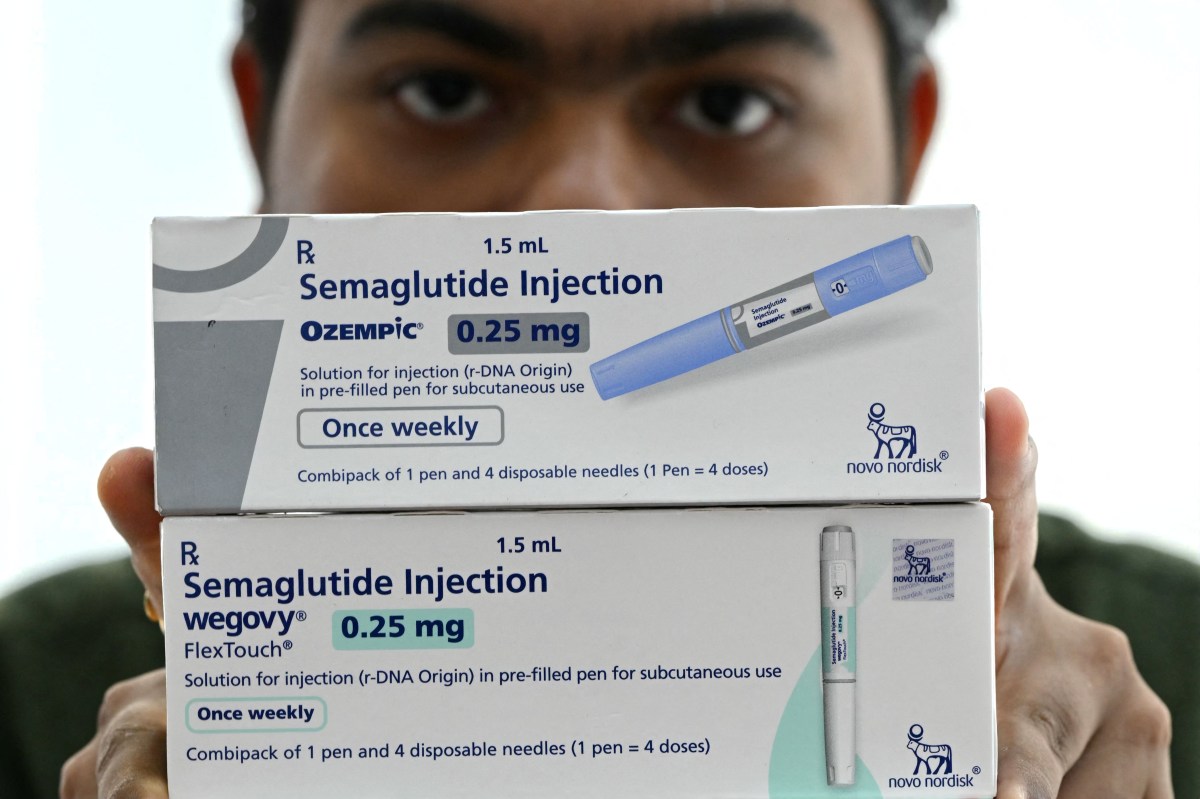
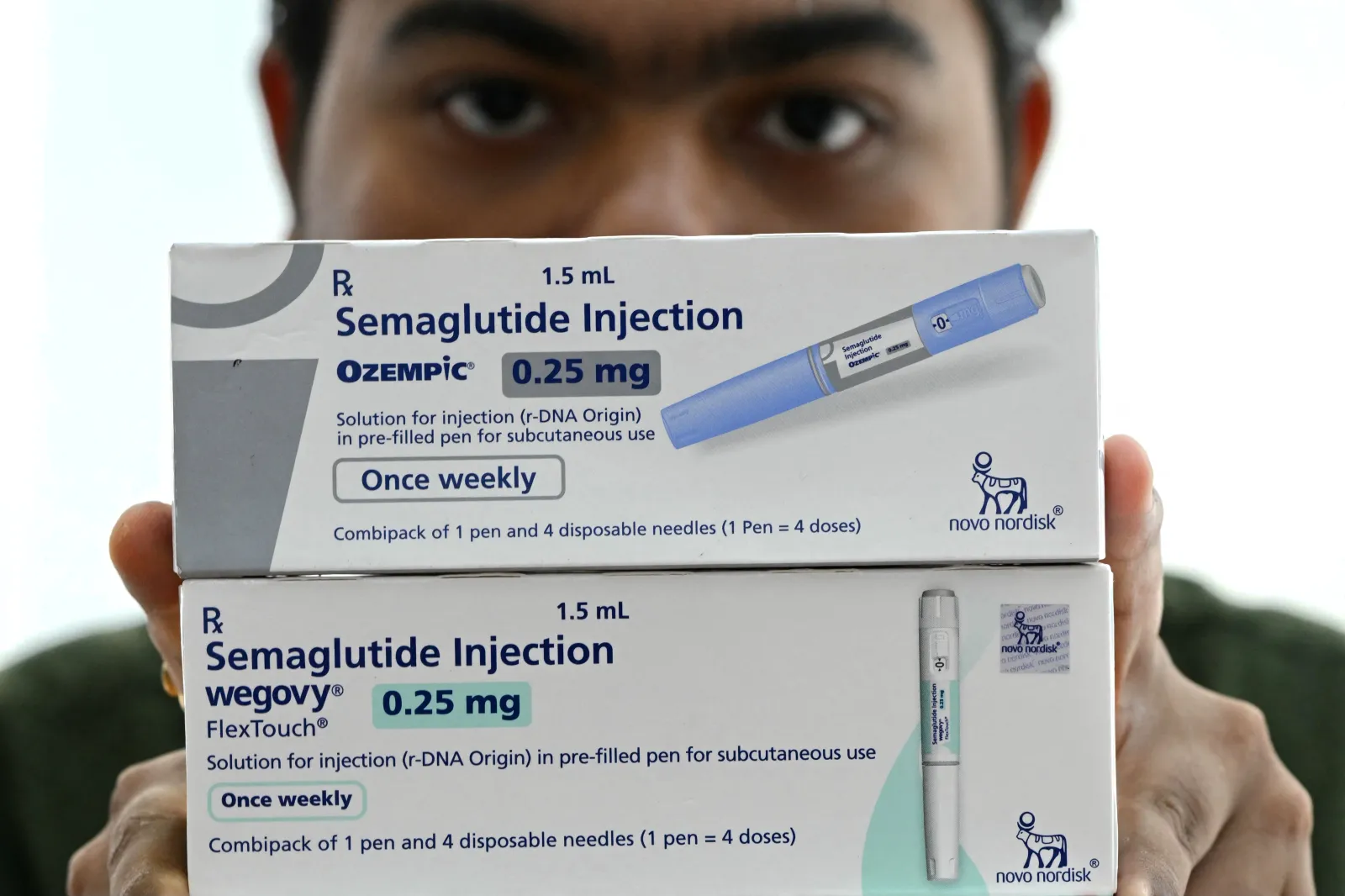
The change comes through a newly unveiled GLP‑1 Bridge pilot program, which for the first time would allow Medicare to broadly cover weight‑loss versions of GLP‑1 medications, such as Wegovy.
Until now, GLP‑1 weight‑loss drugs have been widely seen as out of reach for many seniors, with monthly costs historically reaching $1,000 or more and Medicare largely refusing to cover them when prescribed for obesity alone. For retirees on fixed incomes, those prices effectively put the medications off‑limits, even as obesity and related conditions—such as heart disease—disproportionately affect older adults.
The new $50 Medicare copay marks a significant shift in federal policy. By sharply lowering out‑of‑pocket costs through the GLP‑1 Bridge pilot program, Medicare can now test broad coverage of weight‑loss drugs for seniors.
 What To Know
Under the 18‑month pilot program announced by President Donald Trump and the Centers for Medicare & Medicaid Services (CMS), Medicare beneficiaries enrolled in Part D prescription drug plans will be able to access certain GLP‑1 weight‑loss medications for a $50 copay at the pharmacy.
The program is scheduled to begin July 1 and run through the end of next year, during which CMS plans to collect data on usage and costs. Officials say the goal is to determine whether Medicare should adopt a permanent coverage pathway by 2028.
Medicare has largely excluded coverage of GLP‑1 drugs when prescribed for weight loss, even as demand for medications such as Wegovy, Ozempic and Zepbound surged nationwide. Seniors could generally access these drugs only through Medicare if prescribed for conditions such as Type 2 diabetes or cardiovascular disease, but not obesity alone. As a result, many older adults faced steep out‑of‑pocket costs.
According to the Centers for Disease Control and Prevention, which defines obesity as having a body mass index of 30 or higher, 38.9 percent of Americans 60 and older are considered obese.
Before the new pilot program, Wegovy and similar GLP‑1 drugs often cost more than $1,000 per month without insurance. Some prices exceeded $1,300, putting the medications entirely out of reach for many retirees.
“For Medicare beneficiaries, this could turn GLP-1 drugs like Wegovy from a high-priced treatment into something far more reachable at $50 a month,” Alex Beene, a financial literacy instructor for the University of Tennessee at Martin, told Newsweek. “The long-term impact is bigger than weight loss. If the program reduces obesity-related disease, it could reshape how Medicare treats prevention.”
Who Could Qualify
To participate in the GLP‑1 Bridge program, individuals must be enrolled in a Medicare Part D plan and receive prior authorization from a doctor.
Generally, they must also meet eligibility tied to body mass index, which is typically 27 or higher—or lower if combined with conditions such as heart disease or prediabetes.
At launch, the program is expected to include injectable GLP‑1 drugs such as Wegovy and other approved injectable and pill‑based options.
However, experts cautioned about the unknowns of the long-term payoff of the drugs’ price reductions.
“In the near term, you’ll probably see increased demand for these drugs, not just for diabetes but for weight loss,” Kevin Thompson, the CEO of 9i Capital Group and the host of the 9innings podcast, told Newsweek. “That could reduce some health care costs if outcomes improve. But long term, we simply don’t know the full impact. Every drug has trade-offs, and it’s hard to believe these will be any different.”
What Happens Next
The GLP‑1 Bridge pilot is set to run for 18 months beginning in July. During that time, CMS plans to analyze costs, demand and outcomes before deciding whether to expand coverage permanently.
If the program transitions into a full marketplace offering in 2028, it would mark one of the most significant Medicare expansions of prescription drug coverage in years, particularly for obesity treatment, which affects a large share of older Americans.
“This is a temporary bridge program running through December 2027. What happens to your budget when it expires and you’ve restructured your health around a drug you may no longer afford?” Michael Ryan, a finance expert and the founder of MichaelRyanMoney.com, told Newsweek. “The $50 price may feel transformative, but the plan for what happens after December 2027 is not yet written.”