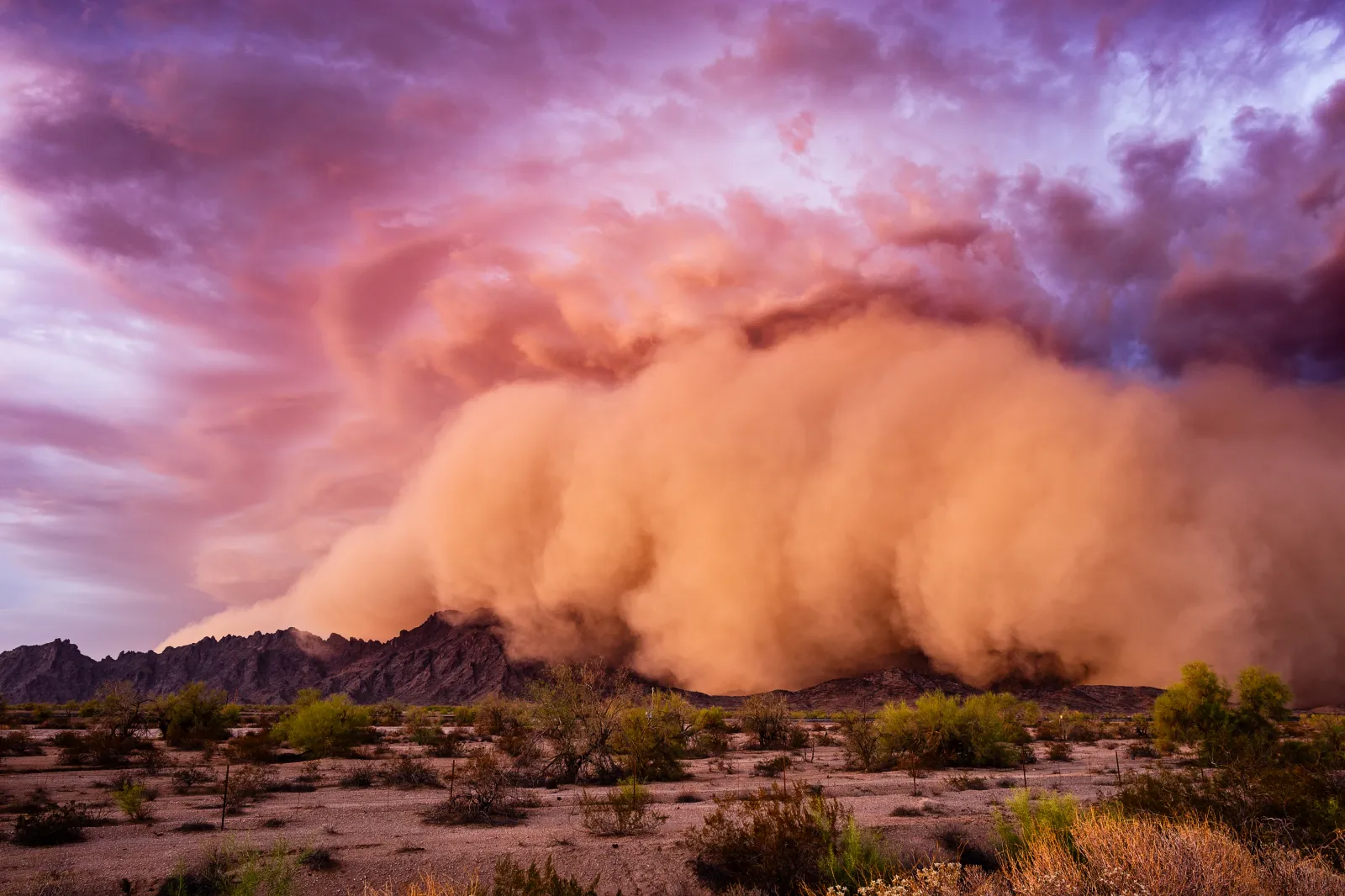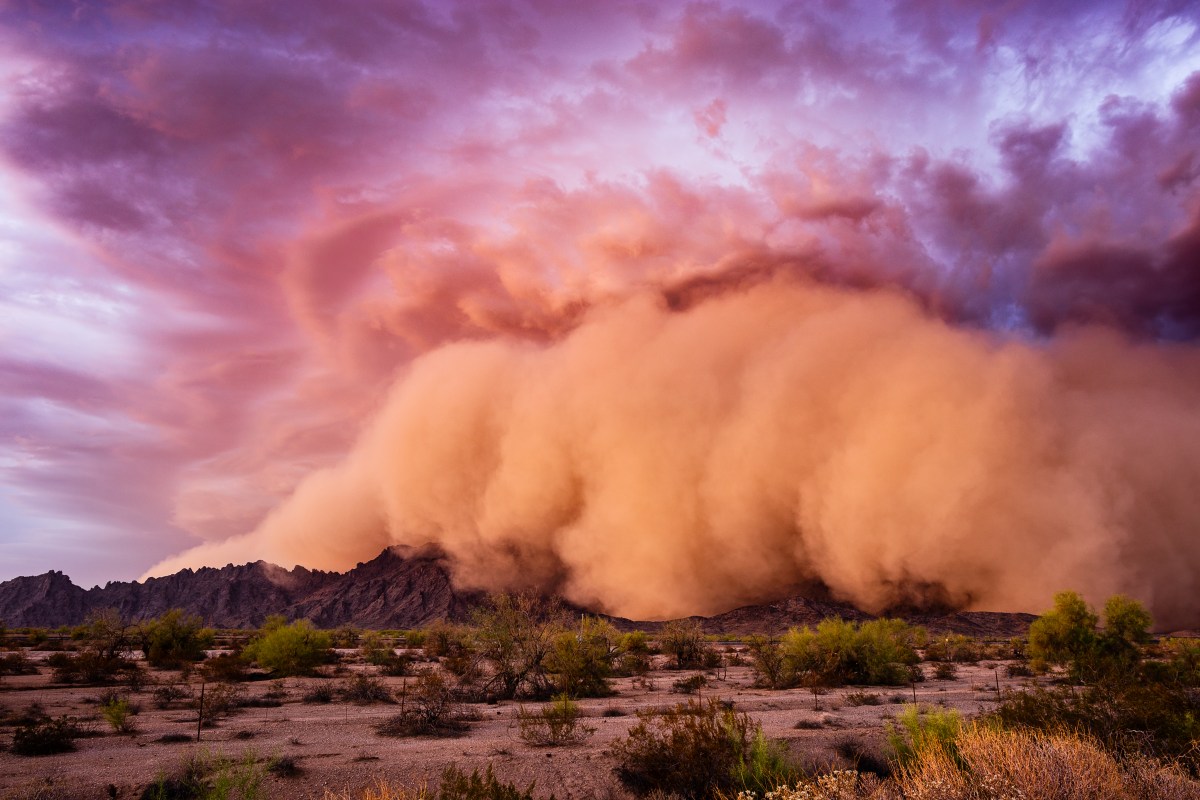
A massive dust storm forced the closure of a long stretch of U.S. Highway 2 across Montana on Thursday, after emergency officials warned that blowing dust had made travel dangerous.
Montana Emergency Management Agency issued an emergency message at 2:11 p.m. MDT ordering Highway 2 closed from near Dodson east to the North Dakota border until at least 9 p.m. Only emergency travel was permitted during the closure, which affects a key east–west route across the Hi-Line. Both lanes were closed.
Dramatic videos circulating earlier this week showed walls of dust towering over roadways in Montana, with near-zero visibility as strong winds whipped loose soil into the air.
Videos Show ‘Towering’ and ‘Massive’ Dust Storms
In one clip shared by WeatherNation, a thick brown cloud can be seen advancing across open terrain, obscuring the horizon and swallowing the roadway.
“INCREDIBLE! Check out this towering dust storm kicked up in Northeast Montana Wednesday afternoon! 70-90MPH wind gusts were reported in parts of the Northern Rockies & Plains – helping to form this behemoth of a haboob (dust storm),” WeatherNation posted.
Another video posted by weather observer Erik Johnson described the scene as a “massive” dust storm, with visibility rapidly deteriorating.
“Massive dust storm kicked up by 70-80 mph wind gusts in a severe thunderstorm at Fresno Reservoir in north central Montana,” the post said, which included a video of the behemoth storm.
Officials did not immediately report injuries associated with Thursday’s closure, but authorities warned that similar dust events have led to serious crashes in the past when sudden reductions in visibility caught drivers off guard. At times, such events can become fatal.
What Is A Dust Storm
A dust storm is a severe weather event in which strong winds lift loose soil, sand, and dust into the air, sharply reducing visibility and creating hazardous travel conditions.
Why Is It Hard to Drive In?
Dust storms often arrive suddenly as a towering wall of dust, sometimes miles long and thousands of feet high, with little warning to drivers, according to the National Weather Service (NWS). Visibility can drop to near zero within minutes, raising the risk of crashes and highway closures.
How Common Are Dust Storms and What’s Causing Them?
Scientists and federal agencies say dust storms are becoming more common and more intense in parts of the U.S. due to a combination of prolonged drought, rising temperatures, and land-use practices that leave soil exposed.
Climate change is contributing to drier soils and more extreme wind events, while agriculture, overgrazing, and water scarcity reduce vegetation that normally holds soil in place.
However, drought isn’t always necessary for the dangerous and sometimes fatal events to take place.
Evolving farming practices are grinding topsoil into an even finer dust, which can easily be kicked up by wind even when drought isn’t present, NWS meteorologist Mike Albano told Newsweek. A dust storm hit Central Illinois earlier this week, prompting similar warnings.
Which Areas Are Most At Risk For Dust Storms?
The U.S. Southwest has long been known for its dust storms, but in the past five to 10 years, similar storms have started to creep further into the U.S., including the northern Plains and Midwest, where sudden visibility collapses have led to major highway closures and deadly pileups in recent years.
People Told to Stay Inside as Air Quality Hits ‘Unhealthy’ Levels
In addition to creating hazardous and life-threatening travel conditions, such extreme dust storms can also quickly degrade air quality. In a blowing dust warning issued by NWS offices in North Dakota, people were told to stay inside for hours on Thursday afternoon until the dust settled.
If not, they could face health consequences, especially people who already have respiratory problems.
North Dakota, South Dakota, and Minnesota were experiencing unhealthy or at times hazardous air quality as of Thursday afternoon, according to AirNow, the U.S. government’s official public air‑quality information system.
Emergency managers urged motorists to avoid travel and monitor official updates, stressing that conditions could change quickly as high winds continue across the region.