
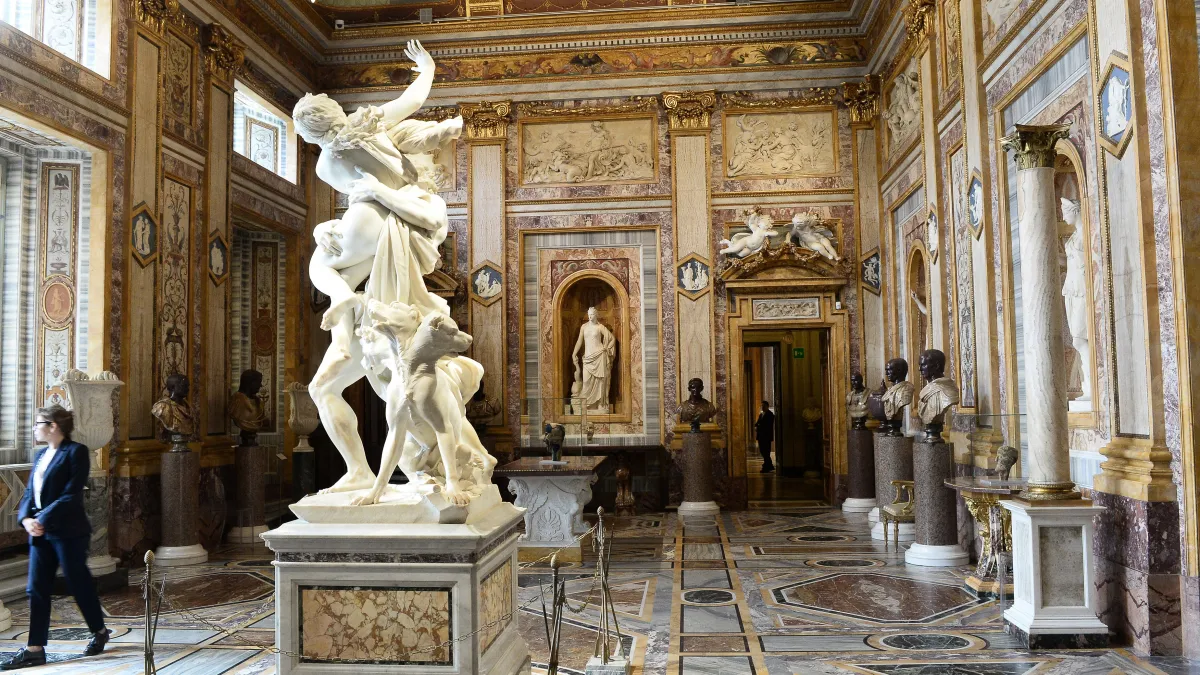
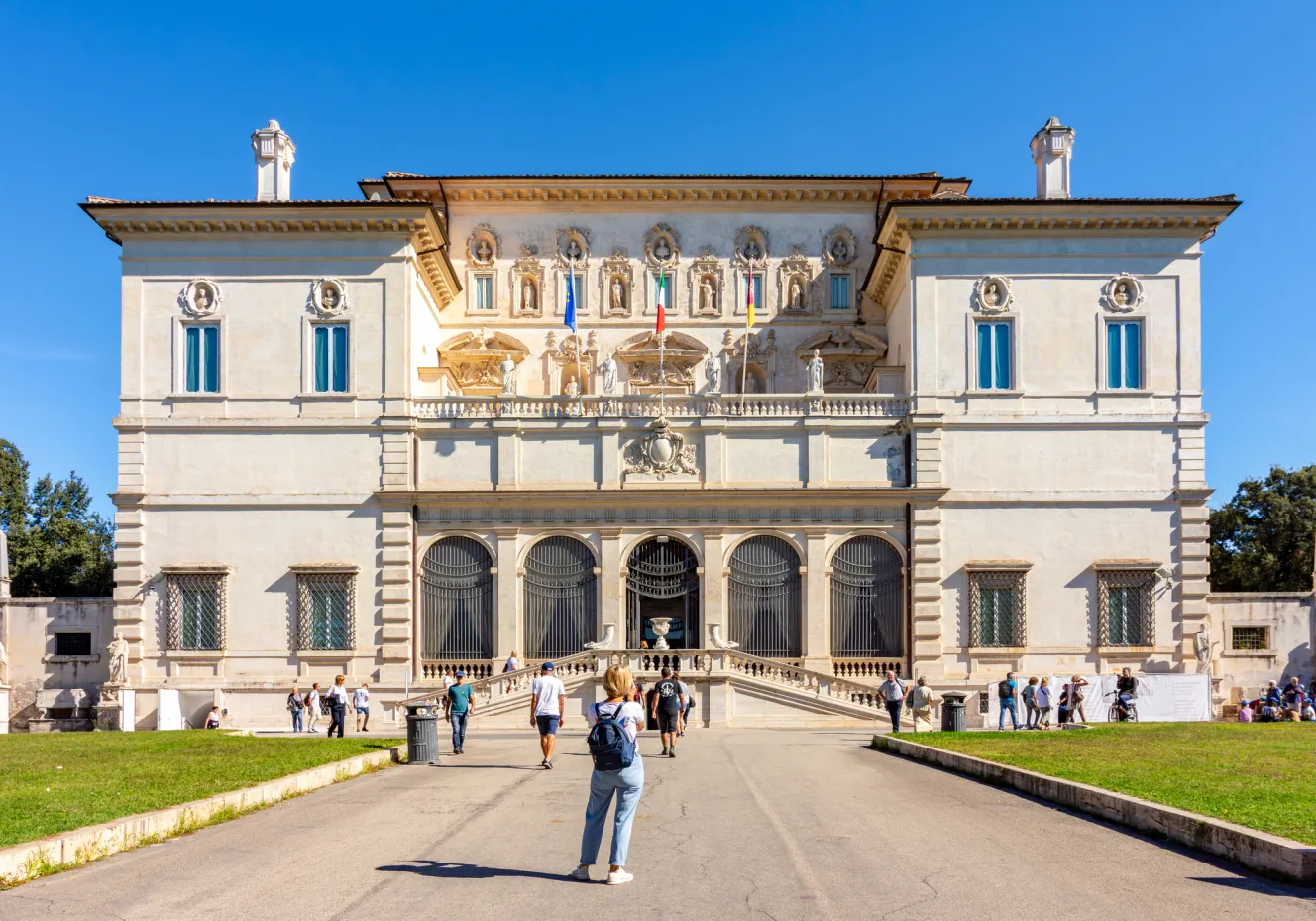
In 1605, Cardinal Scipione Borghese, the pope’s nephew, set out to build the most magnificent dwelling to have graced the heart of Rome. The result was the Villa Borghese, a temple to art built on former vineyards, where vaulted halls boasting mythological frescoes came to house some of the world’s most celebrated paintings and sculptures.
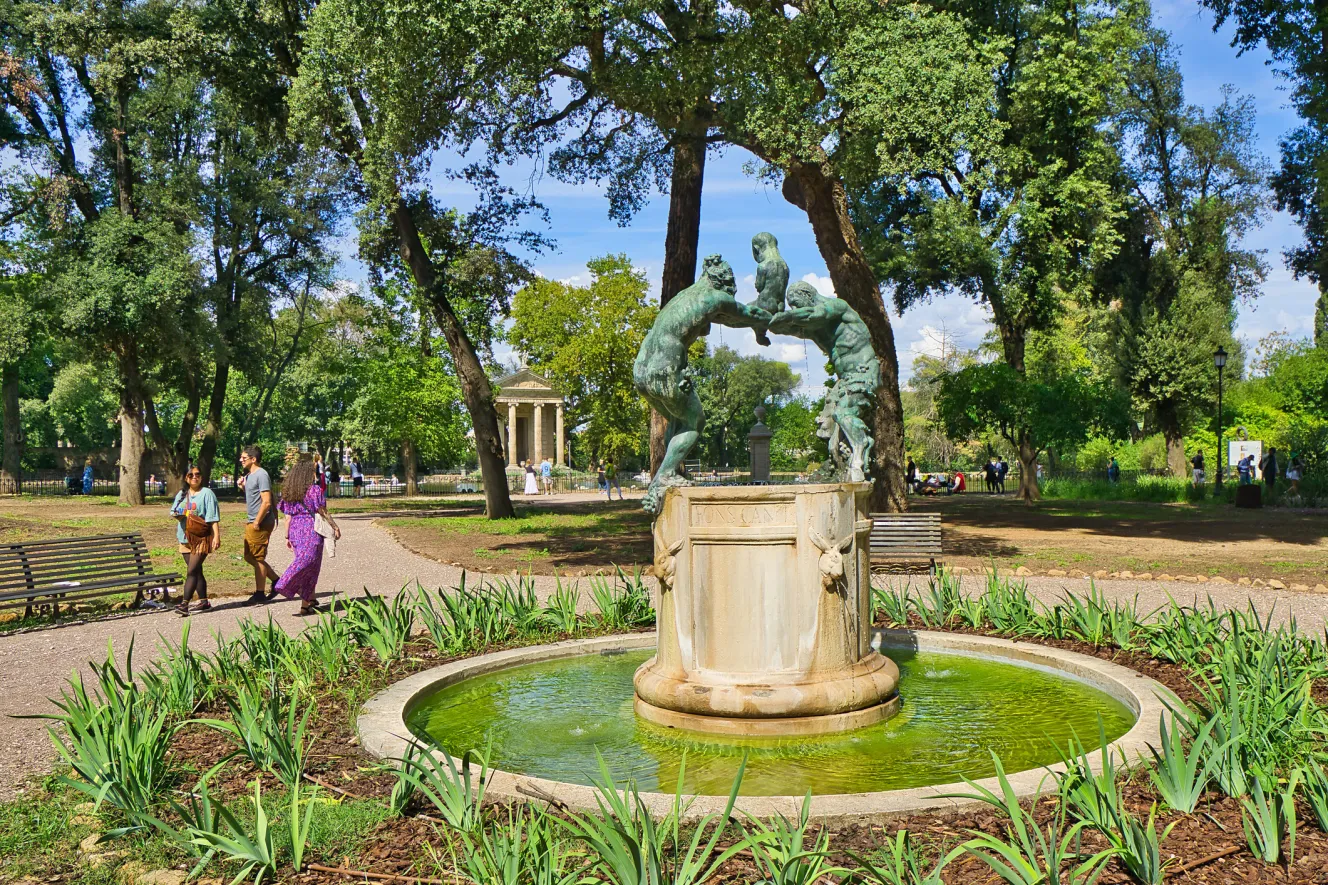
The villa was turned into a museum 300 years later and it remains one of Rome’s biggest draws. More than 630,000 visited last year to glimpse its masterpieces by Caravaggio and Bernini — both patronised by the cardinal — as well as Raphael, Titian and Canova. The villa’s 80-hectare gardens, filled with fountains, lakes and a historic arena, are another significant attraction.
Now a row has erupted over plans to extend the 17th-century former residence with a new wing to accommodate more visitors. Supporters of the project say it will drag the state-run museum into the modern age, while its critics argue it will destroy the balance between art and nature painstakingly fashioned by its Baroque-era master builders four centuries ago.
 Getty IMAGES
 Getty IMAGES
“It is a grotesque proposal. It is blasphemy,” said Alix van Buren, president of the Friends of the Galleria Borghese association, which opposes the plans. “The villa is one of the most perfect, unalterable artistic ecosystems that human genius has ever created. Not a single pin can be moved without upsetting the balance.”
The plans are embryonic and came to light this month when the Rome council, which manages the vast gardens, officially approved a fact-finding mission by the museum. The extension will allow the museum to safely “host more visitors” while also expanding exhibition space, according to publicly available official documents. It will also provide a new conference room and teaching spaces.
Michele Campisi, the general secretary of the Italia Nostra heritage group, said the plans were “bizarre”, accusing the museum of trying to compete with cultural sites like the Colosseum for visitor numbers. Writing in newspaper Il Fatto Quotidiano, Tomaso Montanari, an art history professor at the Universita per Stranieri di Siena, called the proposal “moronic”, saying it was like “building an extension on Brunelleschi’s dome” at Florence Cathedral.
Fabio Rampelli, the vice-president of Italy’s lower house of parliament and a key ally of the prime minister, Giorgia Meloni, called on the museum’s director, Francesca Cappelletti, to resign. “Treating a space like this as if it were your own back garden is dismal,” he wrote on Facebook.
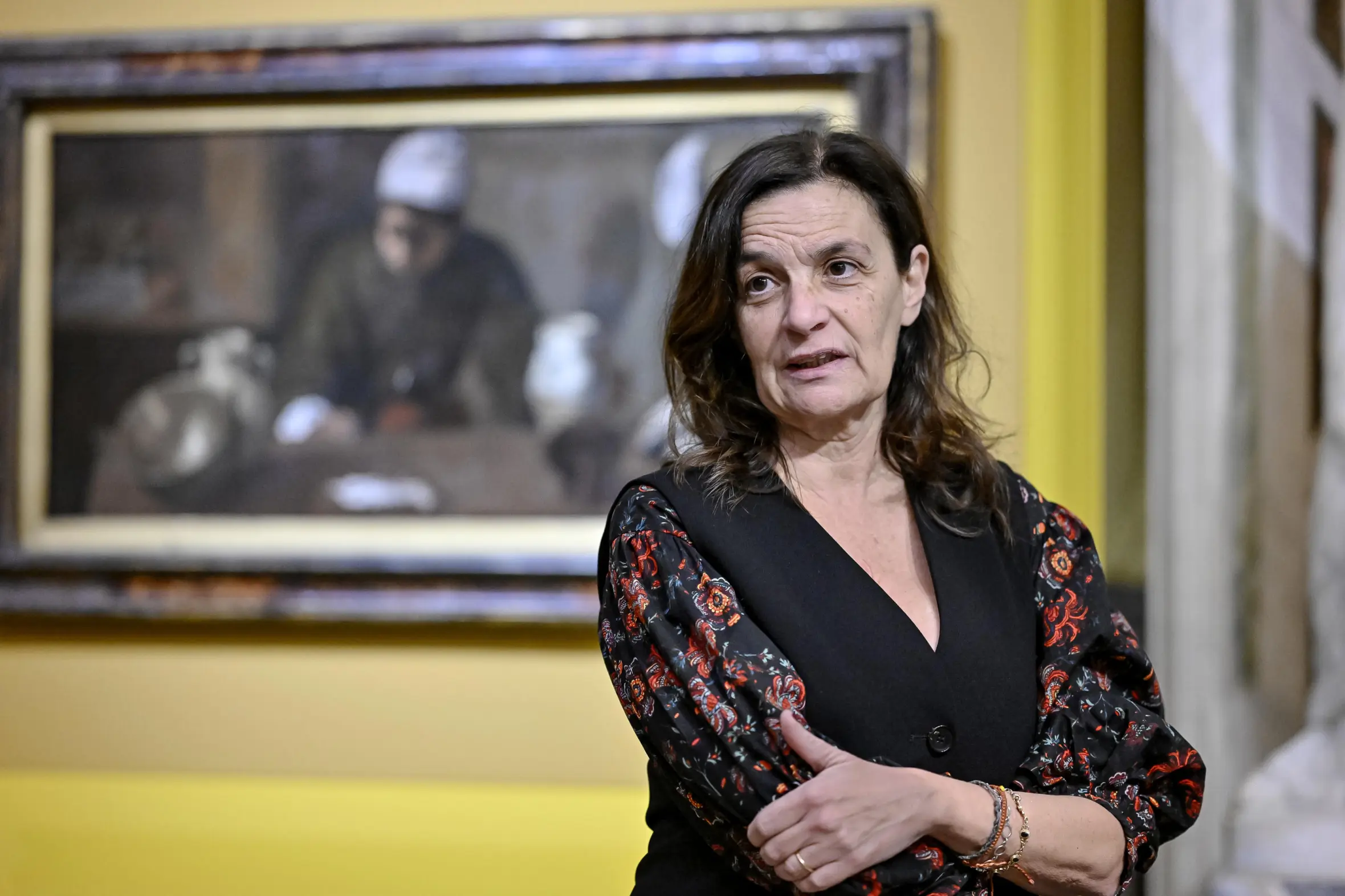 Francesca CappellettiALESSANDRO DI MEO/EPA-EFE/Shutterstock
The museum’s collection features more than 800 paintings and sculptures, including Bernini’s Apollo and Daphne (1622-1625) and Caravaggio’s Boy with a Basket of Fruit (c 1595).
More than 200 works are in storage. The gallery limits visitors to 180 per hourly entry slot, meaning tickets typically sell out fast.
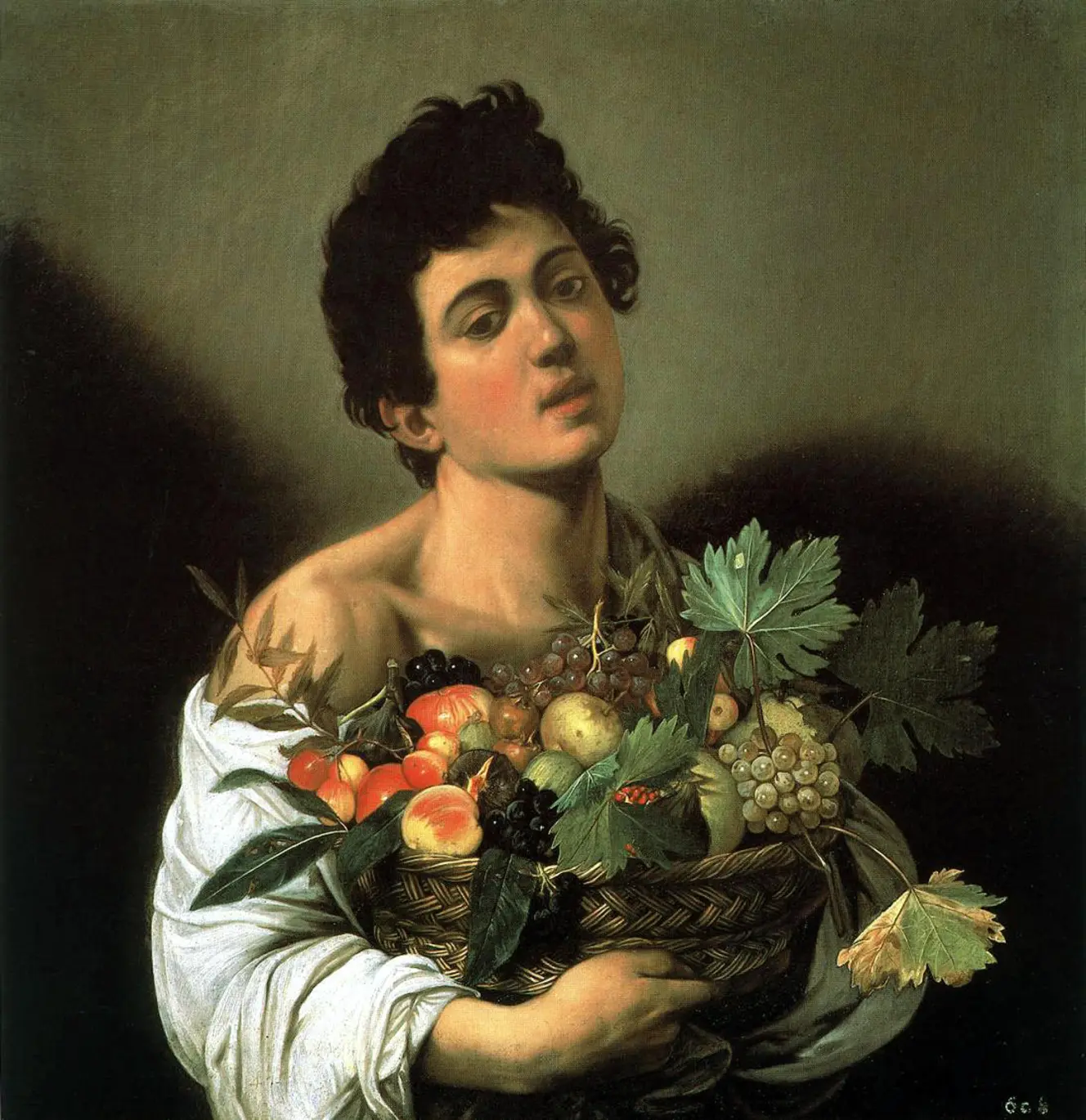 Boy with a Basket of Fruit, CaravaggioAlamy
After a tender, the museum has selected Proger, an Italian construction and engineering company, to finance the €875,000 feasibility study. The company previously developed an air quality and temperature regulation system for the Sistine Chapel, helping preserve Michelangelo’s Last Judgment fresco.
“Proger has offered to fund and oversee the drafting of an expansion project, asking for nothing in return,” the company said in a statement to The Times. “The masterpieces that lie gathering dust in storage, and the 100,000 visitors who are unable to secure a ticket every year, deserve no less.”
As part of the tender’s terms, Proger is entitled to promote its own activities inside the museum. After the feasibility study an architect would be appointed and a design for the extension would be developed at a later date.
A museum source said an extension could help overcome the “physical limits” preventing disabled visitors from accessing parts of the collection in the villa, where stuccoed rooms contain carefully arranged sculptural groups. The source stressed it was too early to say whether an expansion would be realised, noting it would first require authorisation by Italy’s local and state-backed heritage planning bodies.
A Rome press official said the council “would not pass judgment” on whether the extension should go ahead. The museum is due to discuss the plans at a press conference on Monday.
Van Buren vowed that heritage groups would fight any future expansion in the courts. “They will not get this through. We’d rather chain ourselves to the land,” she said. “The Galleria Borghese is not just part of Italy’s heritage, it belongs to the world.”