
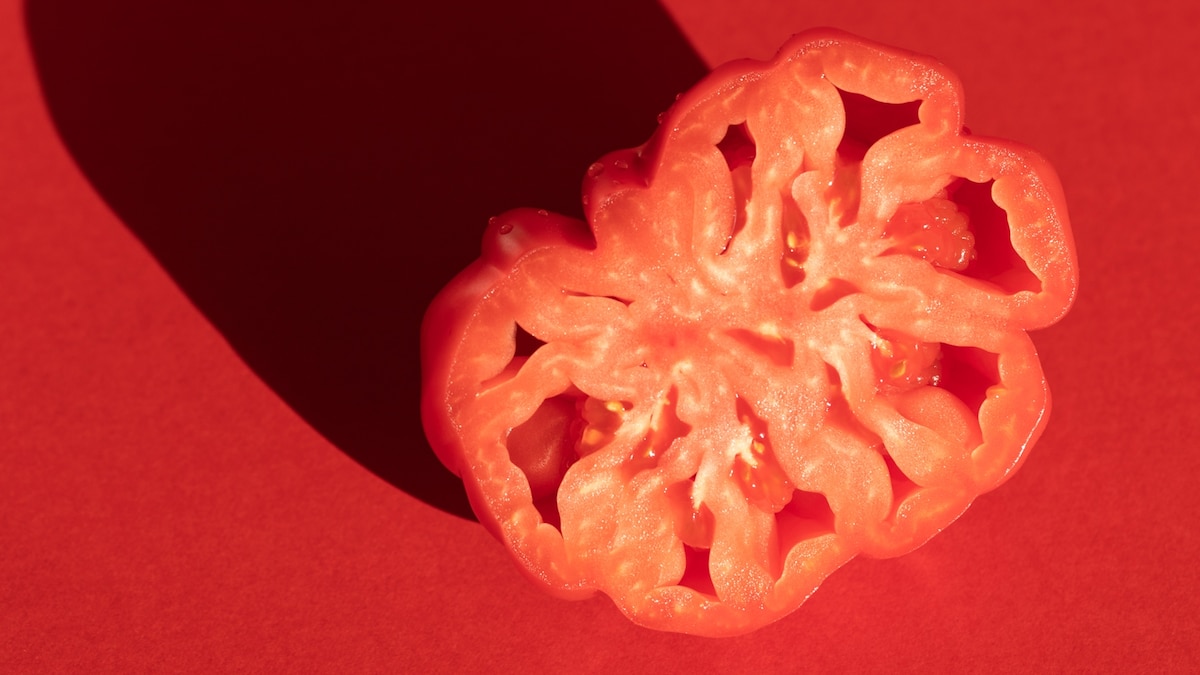
Nightshade veggies and fruits are loaded with vitamins, minerals, fiber, and antioxidants, which neutralize harmful, unstable molecules called free radicals that can cause oxidative stress and damage to cells and other vital structures inside the body; consuming high amounts of antioxidants from food can reduce chronic inflammation in the body.
So where did the idea that it’s harmful to consume nightshades come from? The answer is based on misinformation and erroneous assumptions about certain compounds they contain.
“It’s been frustrating to me over the years why nightshades have been such a persistent concern,” says Nate Wood, an assistant professor of medicine and director of culinary medicine at the Yale School of Medicine. “Like all vegetables, nightshade vegetables are good for us and they lower inflammation. Like all foods, some people may have specific intolerances to them.”
What are nightshades—and how did they get their bad reputation?
Nightshades are from the Solanaceae plant family, which includes more than 2,400 flowering plants. It’s a diverse family of plants—some edible and some not—that includes chili peppers, goji berries, tomatillos, pepino melons, spices derived from peppers like paprika or cayenne, and even tobacco. (Although potatoes are nightshades, sweet potatoes are not.)
Many nightshades contain small amounts of nitrogen-based compounds called alkaloids, such as solanine, which protect the plants from insects, fungi, and other threats to their survival.