

HAMILTON COUNTY, Tenn. — Tennessee is moving to reshape how prescription drugs are priced and dispensed in the state after Gov. Bill Lee signed legislation that bars pharmacy benefit managers (PBM) from owning pharmacies.
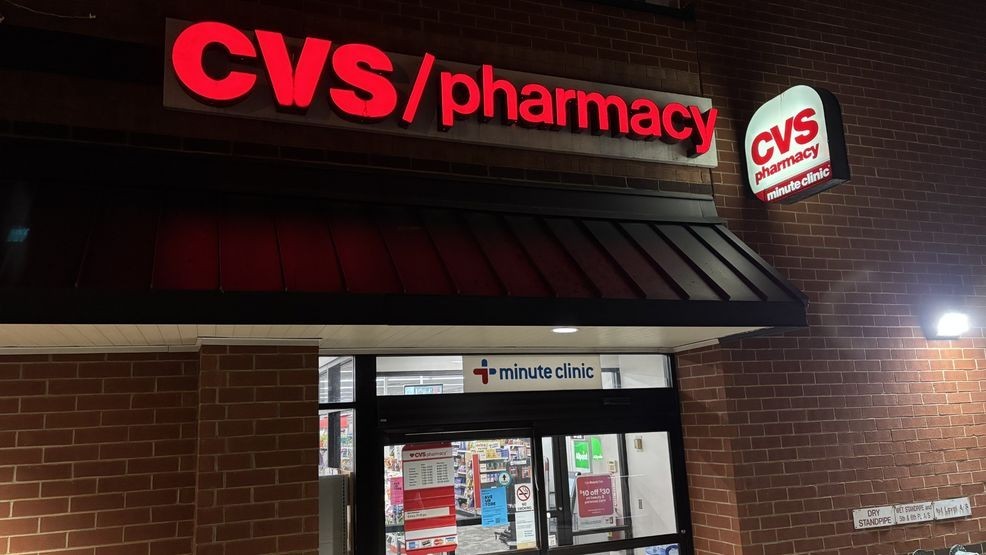
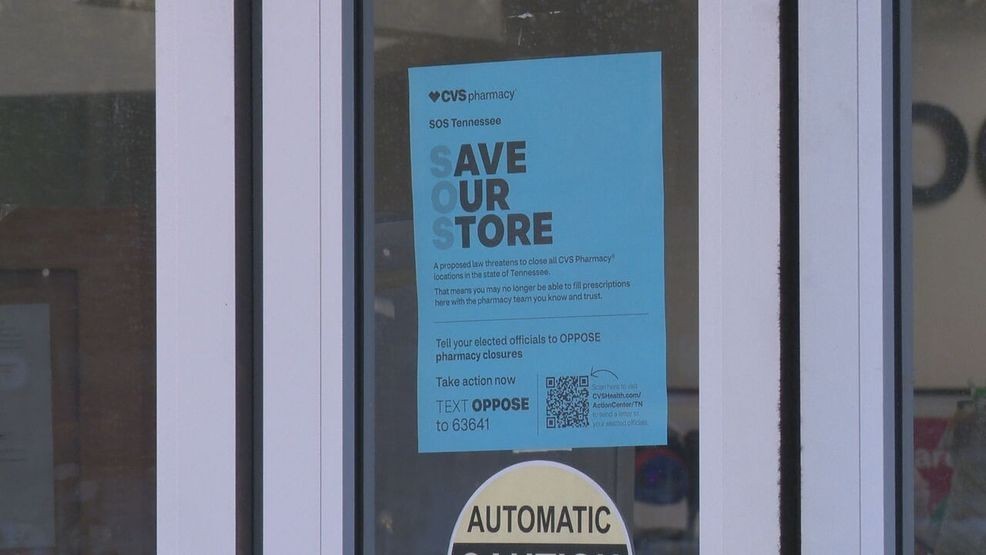
CVS has pushed back against the legislation, saying they would be ‘forced’ to close their Tennessee locations if it passed.
Introduced by Sen. Bobby Harshbarger of Kingsport and Rep. Rick Scarbrough of Oak Ridge, the FAIR Rx Act targets what supporters describe as a conflict of interest in the pharmacy market, where PBMs can set drug prices while also profiting from owning pharmacies that fill prescriptions.
The law prohibits PBMs from holding pharmacy licenses and requires those corporations to divest pharmacy ownership by July 1, 2028.

The House and Senate approved the legislation on April 20 and April 21, respectively, with bipartisan support.
The vote was 24-9 in the House and 86-7 in the Senate.
“Today, we sent a clear message: the days of the fox guarding the henhouse in pharmacy benefit administration are coming to an end,” Harshbarger says. “No company should be able to write the rules, steer the patient, set the payment, and then own the pharmacy that profits from the transaction. The FAIR Rx Act addresses that conflict by separating financial control from patient care decisions and protecting access to quality pharmacy services across Tennessee.”
A recent audit by the Tennessee Department of Commerce and Insurance found that one PBM, CVS Caremark, reimbursed its affiliated pharmacies up to 16,000% more than non-affiliated pharmacies for the same medications.
Another audit found Express Scripts generated $30 million in spread pricing revenue from Tennessee employers, with costs ultimately borne by patients.
In a previous statement, CVS Health sharply criticized the FAIR Rx Act, saying…
“While disguised as anti-PBM, this misguided legislation will NOT lower drug costs and is solely designed to benefit independent pharmacies, with no thought about the patients who’d lose access to the pharmacist who they know and trust,” the company wrote in part. “This misguided policy will lead to serious consequences for the state, including the closure of 25 MinuteClinic locations, where Tennesseans get acute and primary care, and the loss of more than 2,000 jobs. We’re prepared to challenge the constitutionality of this law in federal court, as we did in Arkansas.”
CVS further pushed back on what it called “false claims” from supporters of the bill, saying the legislation does not address affordability, spread pricing, reimbursement or formulary restrictions and could instead force pharmacy closures.
The company said it is already unlawful for pharmacy benefit managers (PBMs) to steer patients, and denied directing customers to CVS locations. It also noted that Tennessee sets pharmacy reimbursement rates, adding that low-volume independent pharmacies in the state receive above-market rates and have grown by 20% since 2023.
CVS previously said it’s unclear whether pharmacies could absorb an estimated 1.5 million CVS patients who may be left without access under the new law, warning that they would close 134 Tennessee locations if the bill passed.
We reached out to CVS for an updated statement on Governor Lee’s signing of the bill.
They told us:
We will exhaust all options we can to continue to provide pharmacy and health care services to our 1.5M+ Tennessee pharmacy patients and will be filing a lawsuit this afternoon challenging the constitutionality of this law in federal court. This unconstitutional law puts special interests and local politics ahead of patients, restricting their access to life-saving medications and undermining fair competition.S.B. 2040 is designed to target CVS Health, not to protect patients. Tennessee lawmakers crafted the law to exclude CVS Health’s pharmacy operations while protecting in-state pharmacy businesses. There’s no way around the fact that this legislation will limit patients’ options and increase the cost of their medicines.For these reasons, S.B. 2040 violates the Constitution’s Dormant Commerce Clause, which prevents states from discriminating against or unfairly burdening out-of-state business. We have a right and responsibility to challenge this harmful policy to protect patient care and fair competition.As we have said previously, with the passage of S.B. 2040, Tennessee’s legislature is choosing to close 134 community pharmacies, including a dozen that are open 24 hours, as well as 25 MinuteClinic retail medical clinics; leave more than 2,000 local health care workers without good-paying jobs; erode access to specialized pharmacy care for the 35,000+ Tennessee patients with serious conditions who rely on additional support; and increase the cost of Tennessee health benefits by millions of dollars each year.The passage of this legislation will increase Tennessee employers’ drug costs by more than $180 million a year and does nothing to lower the cost of prescription medication. Facts should matter more than rhetoric, and a thoughtful and realistic economic analysis could have avoided this chaos. Small businesses, employers, health plans, and others are going to have to pay more for prescription drugs in 2028 because of this new law.Proponents of the bill have consistently made misleading claims about the need and rationale for this legislation, while downplaying the devastating impact it will have on patient care.
CVS is now suing the Tennessee Board of Pharmacy as well as Tennessee Attorney General Jonathan Skrmetti.