
With drought conditions stretching from coast-to-coast, many communities are heading into this summer with some form of water restrictions already in place
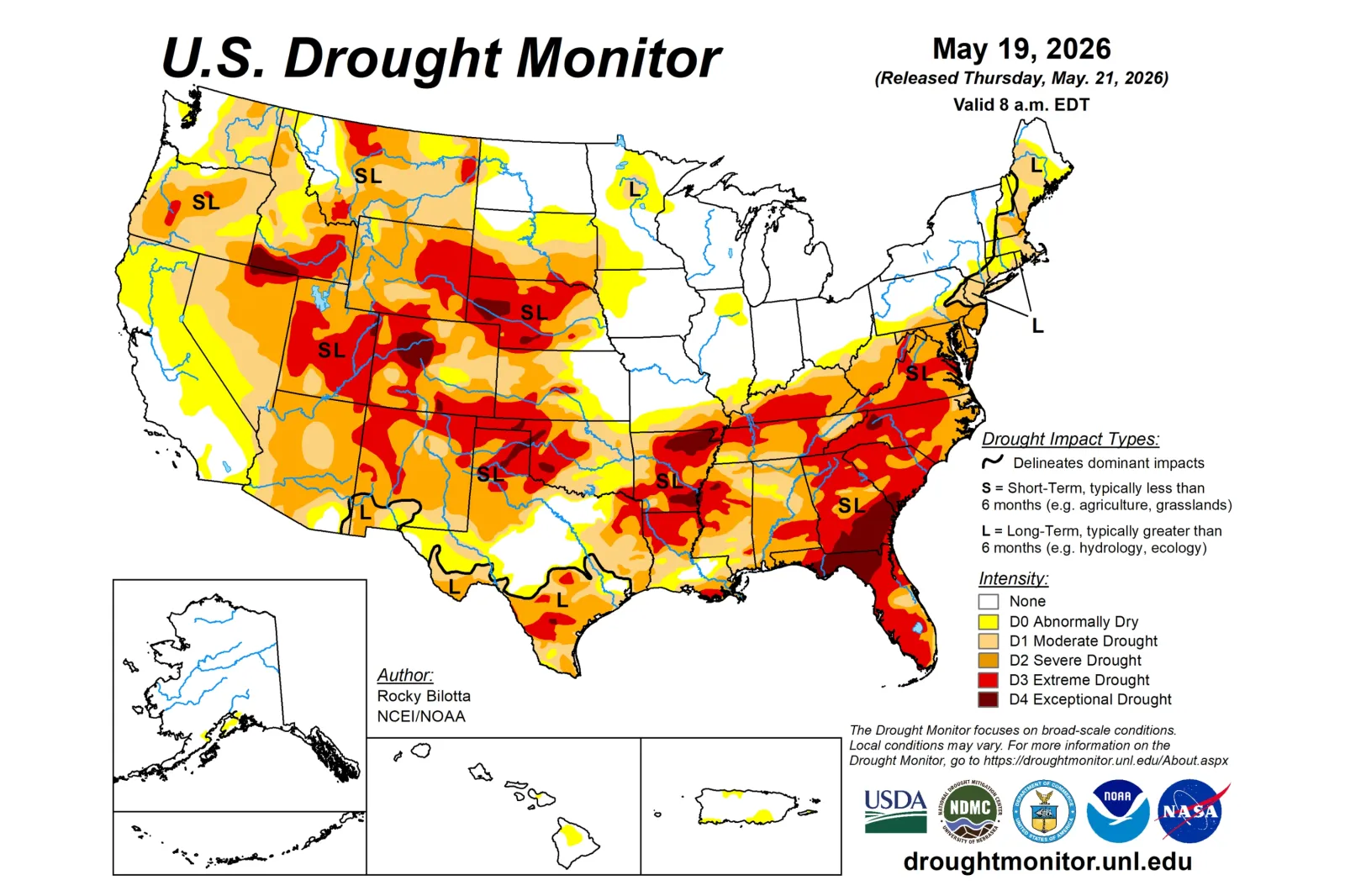
Swaths of the country are facing “extreme” to “exceptional” drought, according to a recent U.S. Drought Monitor map. The findings came as unusually warm conditions have taken hold, with the last year (May 2025 to April 2026) marking the warmest 12-month period on record for the contiguous U.S.
Many drought plans work through staged limits that escalate as conditions worsen. Lawn care platform Lawn Love, which summarizes watering restriction frameworks, describes restrictions being issued in “stages,” with each one adding limits on top of earlier stages, and notes they can run up to four or five steps depending on the locality.
 What Lawn Restrictions Look Like in Practice
Because the rules are local, the details vary—but the restrictions communities adopt often fall into a few repeating categories.
Fewer Watering Days—and Narrower Windows
Across many cities, the baseline limits typically cap sprinkler irrigation to one or two days per week, often tied to an address-based schedule, according to Lawn Love.
For example, the tracking site Water-Restrictions.com lists two-days-per-week schedules as common across a set of major California cities it monitors, alongside daytime blackout hours such as 9 a.m. to 5 p.m. or 10 a.m. to 6 p.m. The same site lists many Texas cities with limits that also cluster around twice-weekly watering and bans during peak daytime hours.
One-Day-Per-Week or ‘Essential Use Only’ in Harsher Conditions
As drought stages rise, outdoor watering may be cut further. TruePlumber’s 2026 guide for California and Arizona says that under stricter stages, watering can drop to one day per week or move toward bans on watering “non-functional turf” (grass kept primarily for appearance).
Bans on ‘Wasteful’ Uses
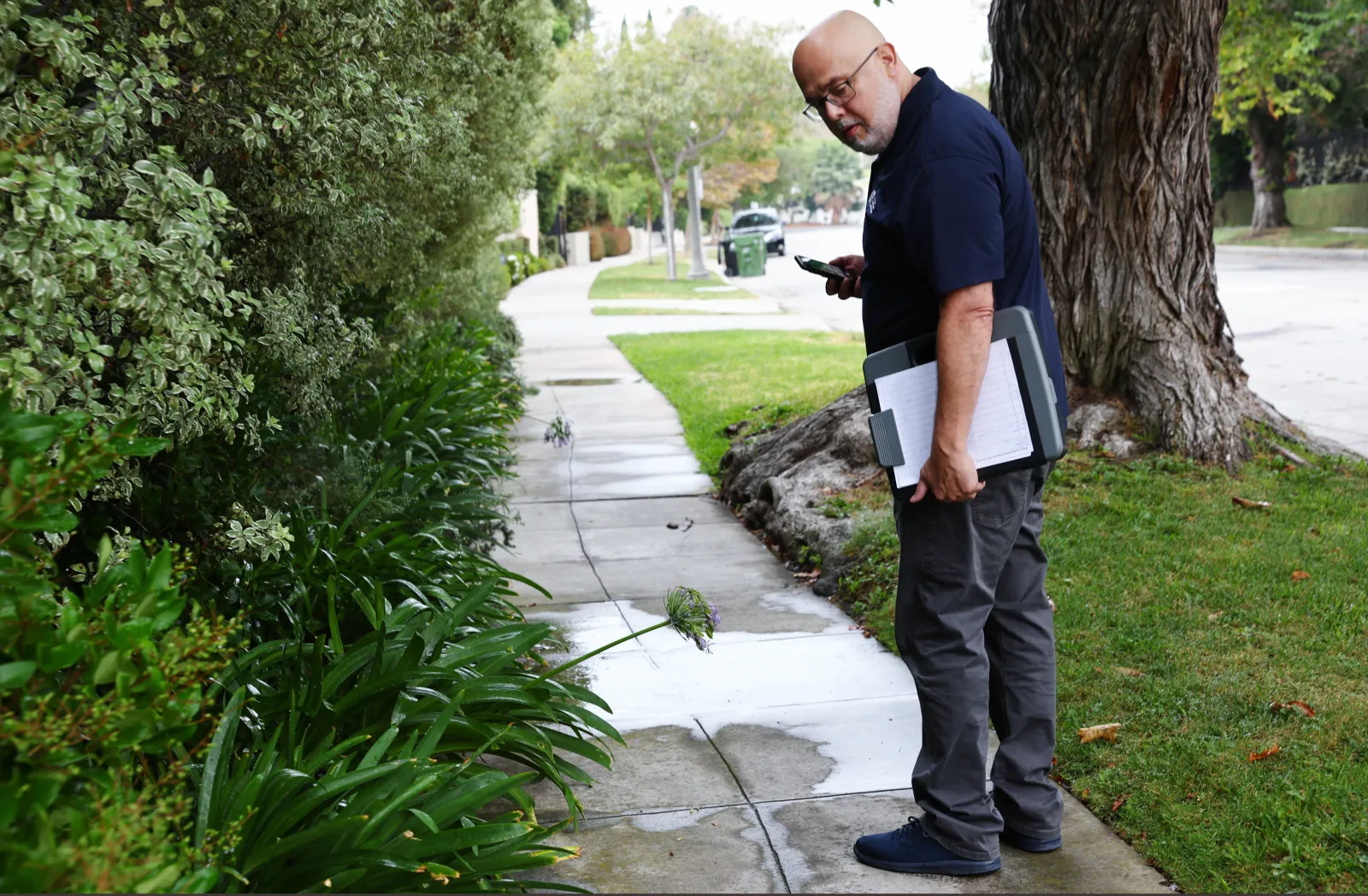
Another consistent theme is prohibiting actions officials describe as waste. A LegalClarity explainer on California rules says the state has permanent prohibitions on water waste that can include bans on hosing down hard surfaces (unless needed for health or safety), allowing irrigation runoff onto sidewalks/streets, using hoses for car washing without a shut-off nozzle, running non-recirculating decorative fountains, and irrigating for 48 hours after measurable rainfall.
In southwest Florida, station WUSF reported that the region’s December 2025 Phase I shortage order prohibited “wasteful and unnecessary” water use—citing examples ranging from excessive lawn watering to leaving a hose running—while noting that many places kept their usual twice-weekly schedules unless local governments imposed stricter rules.
Enforcement—and Escalating Penalties
Restrictions are increasingly paired with warnings and fines. Lawn Love says violations often start with warnings and can escalate to citations and higher fines.
 Examples From Around the Country
In the Southeast, Raleigh, North Carolina, told residents to stop watering lawns on the usual schedule on April 20 after local reservoir levels dropped enough to trigger restrictions, Morning Overview reported.
In Texas, the southern coastal city of Corpus Christi is currently under Stage 3 water shortage conditions, also amid low local reservoir levels.
These restrictions ban lawn-watering entirely but permit limited irrigation under strict conditions, including drip systems or small handheld watering on designated days, and hand watering for food gardens and certain plants during specific hours. Pools may still be maintained if covered when not in use, while home car washing is restricted to a five-gallon bucket on assigned watering days.
How Widespread Is the Shift?
A national snapshot compiled by CityRuleLookup’s “summer 2026” guide says it tracks watering rules for 663 cities and counties across 46 states, with 534 places categorized as “moderate” or “strict,” often involving day limits, time limits, fines, or bans.
Meanwhile, Lawn Love recently ranked the most expensive cities for lawn watering this year with the top five being:
Scottsdale, ArizonaHenderson, NevadaLas VegasTucson, ArizonaBuckeye, Arizona
Of the top 50, 40 percent were located in the Southwest, especially in Arizona and Nevada, it said. Citing the U.S. Drought Monitor, it noted that almost all of the region is facing moderate to exceptional drought conditions.