
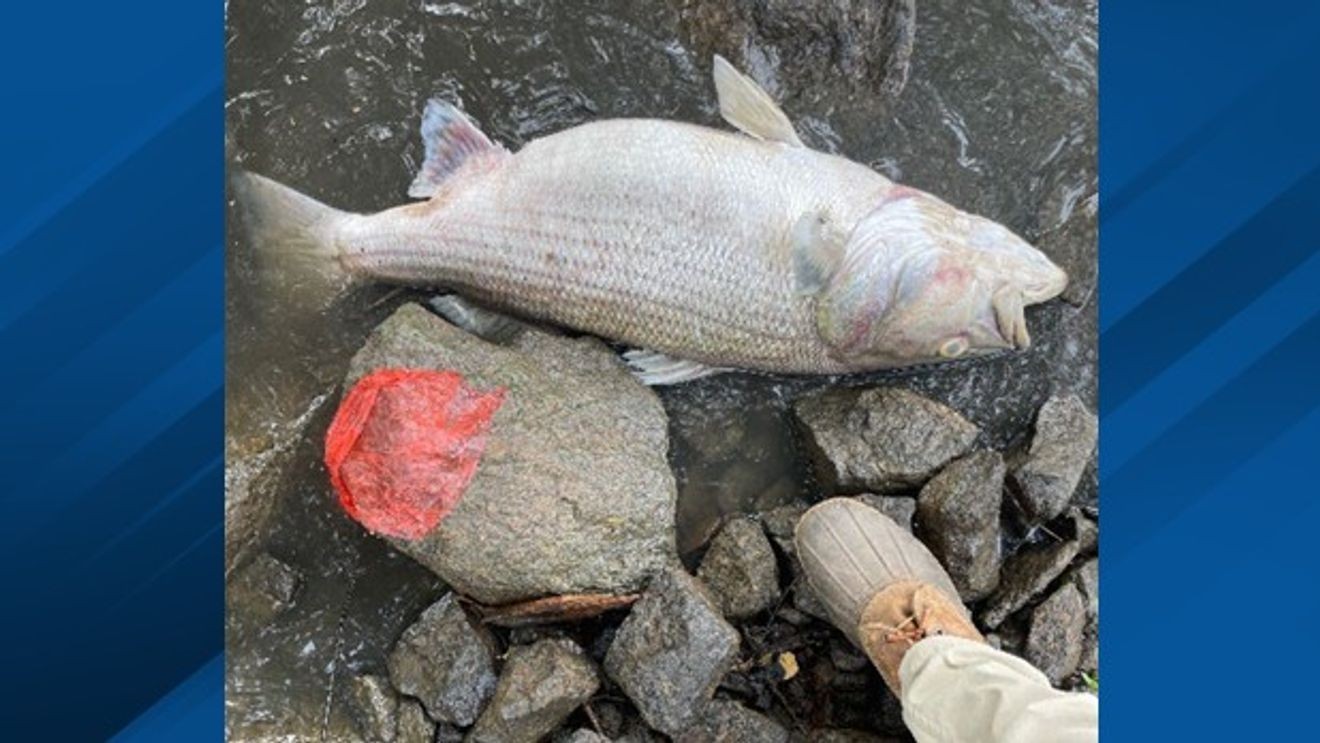
ATLANTA, Ga. — Conservationists are searching for answers after they say thousands of fish were found dead along a stretch of the Chattahoochee River downstream of Peachtree Creek in Georgia, raising new concerns about stormwater pollution and sewage overflows.
The massive fish kill was first discovered Friday by Chattahoochee Riverkeeper, an environmental advocacy organization that says a combination of extreme weather and infrastructure failures likely triggered the event.
According to a statement released by Chattahoochee Riverkeeper, the metro Atlanta region has been experiencing drought conditions for months, leaving streams and the Chattahoochee River at near-historic low flow levels.
Then, on May 20, a sudden burst of heavy rain–about three inches in one hour according to CNN–sent polluted stormwater rushing into Peachtree Creek and eventually into the Chattahoochee River.
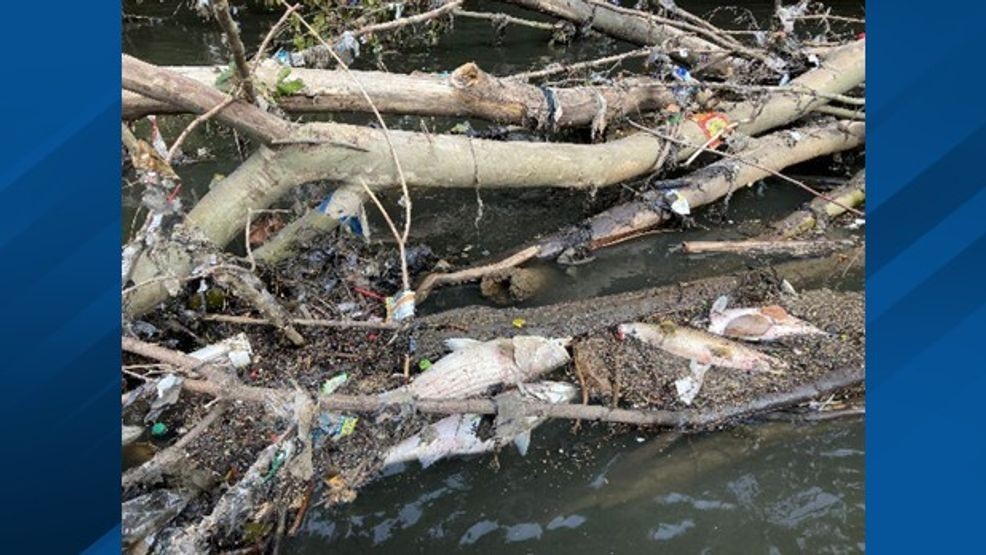
Photo by Chattahoochee Riverkeeper
Riverkeeper officials say the unusually low river flow, combined with warm runoff carrying pollutants and nutrients from paved surfaces, created dangerous conditions for aquatic life.
The group also says untreated sewage may have contributed to the disaster.
According to the organization’s preliminary investigation, Atlanta’s combined sewer system and the city’s West Area Tunnel overflowed into Peachtree Creek during the storm.
Their release states that untreated water mixed with polluted runoff before entering the Chattahoochee River, while the West Area Tunnel treatment system also discharged into the river.
At least one heavily impacted area was located downstream of Peachtree Creek, though Chattahoochee Riverkeeper says the fish kill did not affect the Chattahoochee River National Recreation Area.
The Georgia Department of Natural Resources, Georgia Environmental Protection Division and Atlanta’s Department of Watershed Management all told CNN they are reviewing the incident.
Chattahoochee Riverkeeper says their investigation into the fish kill is also ongoing.