
Inflation in Australia has cooled in the 12 months to April 2026, slowing to 4.2 per cent from 4.6 per cent the month prior.
New data from the Australian Bureau of Statistics (ABS) shows that trimmed mean inflation, which is the primary target used by the RBA, rose to 3.4 per cent in the 12 months to April 2026, up from 3.3 per cent in the 12 months to March 2026.
Today’s data was largely in line with market expectations, which are forecasting that the central bank board will hold on hiking interest rates when it next meets in June.
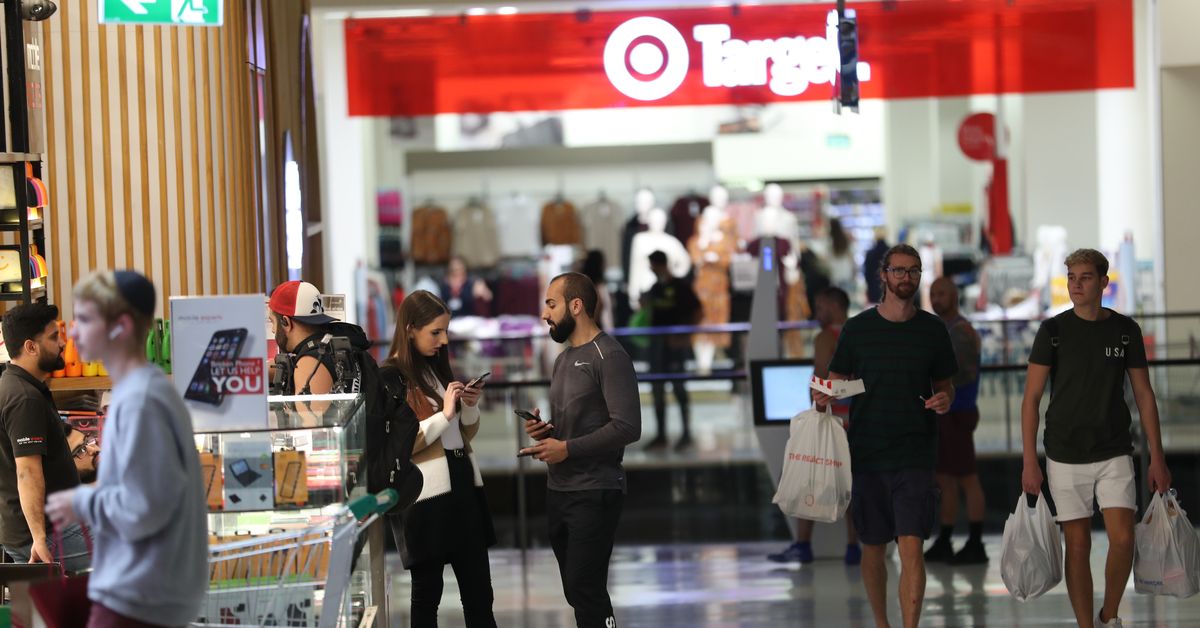
 Inflation has fallen slightly as Australians spend less heading into winter. (Edwina Pickles)
Six days ago Australia’s unemployment rate rose to 4.5 per cent, further establishing circumstances that the RBA will hold interest rates when it meets on June 16.
Steven Dooley, head of market insights at Convera, says while inflation fell it is likely not cooling at a pace wanted by either the government or the RBA.
”Today’s reading, with annual inflation easing to 4.2 per cent from 4.6 per cent, but trimmed mean inflation rising to 3.4 per cent from 3.3 per cent, reinforces the picture that inflation in Australia is not cooling at the pace policymakers or households would like,” Dooley said.
“Housing and transport costs are still doing most of the heavy lifting, rising 6.3 per cent and 6.6 per cent respectively over the year, while domestic price pressures remain sticky.
“It matters because much of this inflation is driven by parts of the economy, like rents and wages, that respond slowly to interest rate increases. In other words, the bulk of the inflation problem is now in the categories that the Reserve Bank’s tools work on least effectively.”