
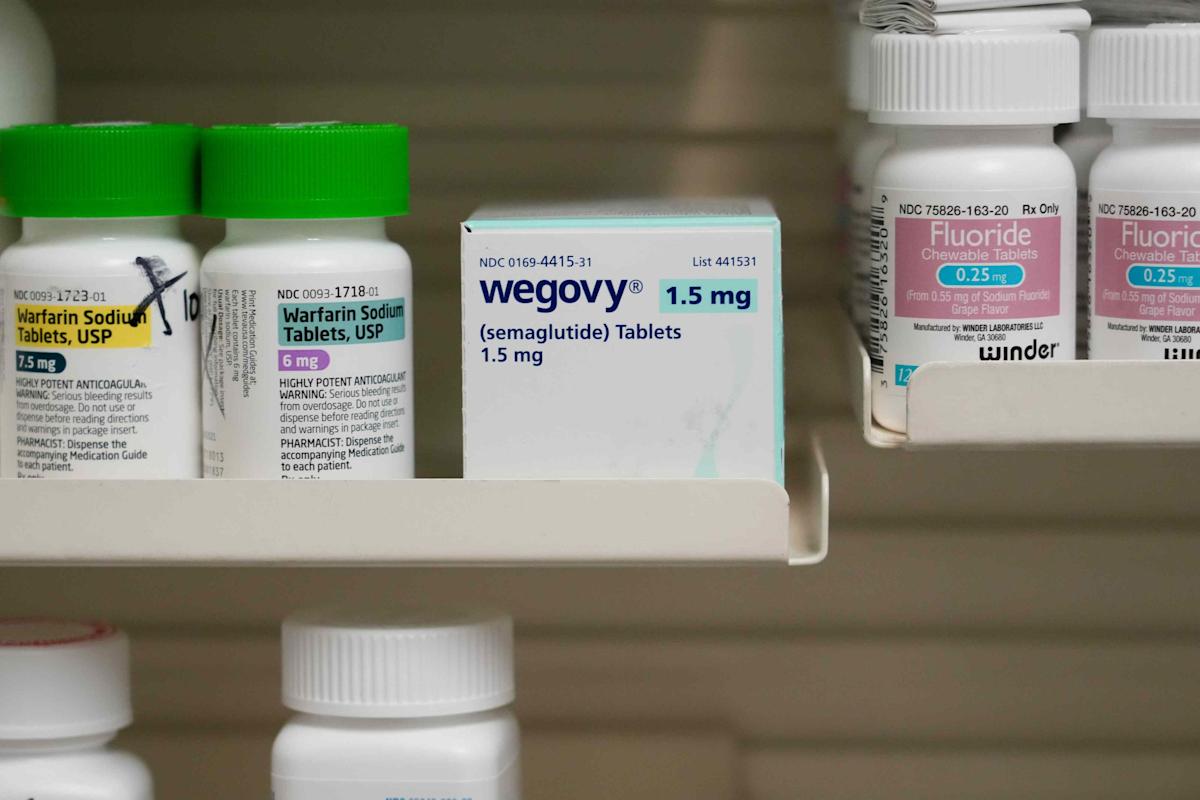
 People are spending more money on weight-loss drugs, rising the average healthcare costs.
Credit: Photographer: George Frey/Bloomberg via Getty Images KEY TAKEAWAYS
Healthcare costs for people with employer-sponsored insurance plans are rising at the fastest rate since the pandemic.
Pharmacy costs, driven by high-priced drugs such as weight-loss medications, are the largest contributor to rising healthcare expenses.
Employers are shifting more healthcare costs to workers, with employees now paying a larger share of premiums and out-of-pocket expenses.
With employers shifting more healthcare costs onto their workers and the growing popularity of higher-cost prescriptions, 2026 is shaping up to be a far more expensive year for healthcare.
The healthcare cost for the average person with an employer-sponsored insurance plan in 2026 is $8,460, according to a recent report from Milliman, a healthcare, insurance and employee benefits consulting firm. That is 7.9% or $622 more from last year, and the highest year-over-year increase since the COVID-19 pandemic.
Why This Matters
More than half of workers say they cut their discretionary spending to afford their out-of-pocket healthcare costs, and 35% said they took on credit card debt. Raising healthcare costs will make affordability even more difficult.
Pharmacy costs had the biggest impact on overall healthcare costs, increasing 14.8% year-over-year, the highest of any other category. Average pharmaceutical costs have spiked mainly due to the increased popularity of high-cost drugs, like GLP-1 and other weight-loss drugs.
“Pharmacy costs have been a persistent driver of healthcare cost growth for several years now, but 2026 represents an acceleration of the trend,” Andrew Timcheck, a Milliman principal and consulting actuary, wrote in a prepared statement.

The most expensive category in 2026 remained outpatient facilities. One factor attributed to higher costs is that more physician practices are moving from private ownership to hospital employment. For many, this shift increases healthcare costs, as hospital-owned physician practices are more likely to steer patients toward higher-cost services within their hospital.
High-cost specialty drugs and therapies that must be administered in outpatient facilities, such as cell therapy and cancer therapies, are increasing both prescription and the outpatient facility costs. From 2005 to 2024, the inpatient stays decreased by 5%, while outpatient visits increased by 44%, according to data from KFF, a health research organization.
The last factor increasing many people’s healthcare costs is the deterioration of health benefits. While employers still bear much of their workers’ healthcare costs, workers have seen a consistent shift of those costs onto them.