
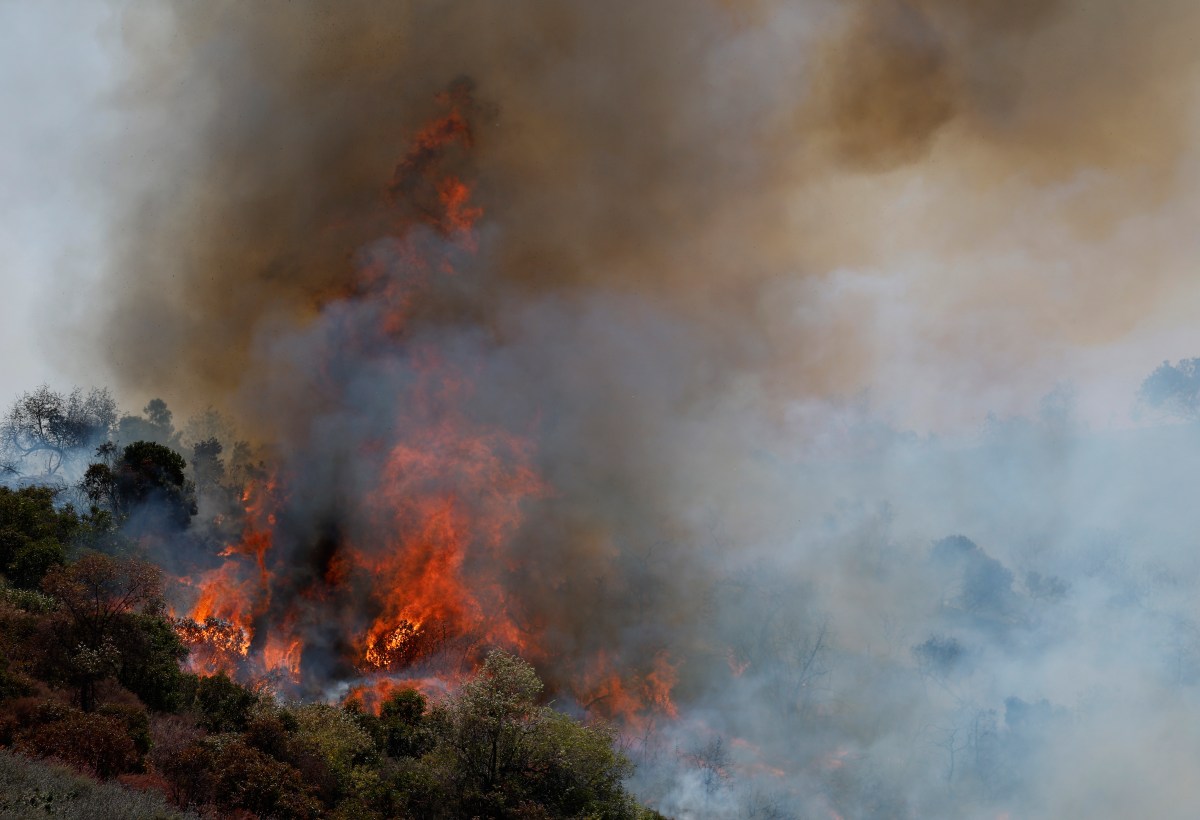
A new federal outlook map shows large swaths of the United States facing heightened wildfire risk this summer, with dry conditions and rising temperatures setting the stage for another dangerous season across multiple regions.
The map, based on the National Interagency Fire Center’s seasonal outlook, highlights areas with above-normal fire potential in the coming months, particularly across parts of the West and other regions experiencing drought and below-average precipitation. The outlook draws on current weather patterns, fuel conditions and long-range forecasts, pointing to a broad stretch of the country where vegetation is expected to dry out and become more flammable as summer progresses. Together, these factors are expected to increase the likelihood of significant wildfires, offering officials and the public an early warning of where the threat could be greatest.
The outlook comes as large and damaging wildfires have already sparked across multiple U.S. states this spring, including in California, Texas and Florida.
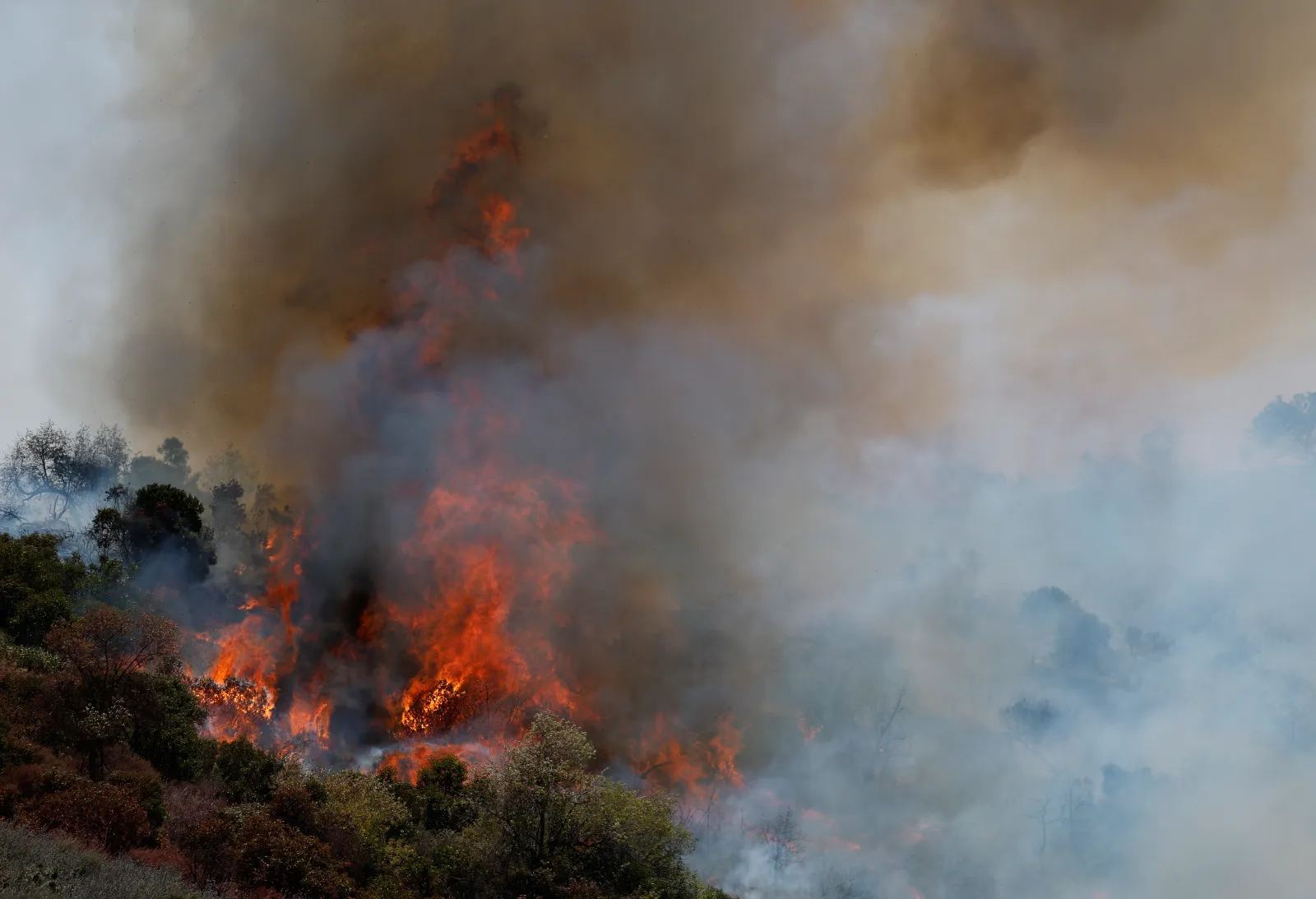 Why Is Wildfire Risk Elevated This Summer?
The National Interagency Fire Center’s North American Seasonal Fire Assessment and Outlook for May through July indicates that wildfire activity across the United States is being shaped by broad drought conditions, below-normal precipitation and warmer-than-normal temperatures in many regions. The report notes that drought has persisted, intensified or developed across much of the Western U.S. and into the central and southern Plains, following a dry spring in which large parts of the country received significantly below-average rainfall.
Looking ahead into the summer months, the outlook says that temperatures are expected to be above normal across most of the United States, while precipitation is likely to remain below normal across much of the western half of the country and parts of the central Plains. These conditions are important because they contribute to the drying of vegetation and fuels that support wildfire activity. The report highlights that the combination of heat and dryness is expected to continue influencing wildfire potential as the season progresses.
Fire activity had already increased across multiple U.S. regions, including the Southern and Rocky Mountain areas, with additional increases observed in the Southwest, California, Great Basin, Northern Rockies and Eastern areas. These early-season trends, combined with ongoing drought and weather patterns, are used to inform expectations for the months ahead.
Overall, the report presents a picture of a widespread and developing fire environment across the United States, driven primarily by dry conditions and above-normal temperatures across the West and central parts of the country. It underscores that these broad environmental factors are expected to continue into the summer, supporting elevated wildfire potential across multiple regions, rather than being confined to a single area.
Which States Are Most at Risk for Wildfires This Summer?
The images below show the wildfire outlook for June through August in the U.S.
1 of 3
June Outlook: States With Above-Average Wildfire ChancesEastern WashingtonEastern OregonNorthern CaliforniaUtahNevadaColoradoSouthern WyomingEastern ArizonaWestern New MexicoEastern TexasLouisianaFloridaSoutheastern GeorgiaJuly Outlook: States With Above-Average Wildfire ChancesWashingtonOregonNorthern CaliforniaNorthern NevadaIdaho UtahColoradoWestern and Southern WyomingNorthern ArizonaNortheastern New MexicoEastern TexasLouisianaMississippiAlabamaFloridaSoutheastern GeorgiaAugust Outlook: States With Above-Average Wildfire ChancesWashingtonOregonNorthern CaliforniaIdahoWestern MontanaSouthwestern WyomingNorthern UtahNorthern NevadaWestern ColoradoEastern TexasLouisianaMississippiAlabamaSouthern Florida and the Florida PanhandleHow El Niño Impacts U.S. Wildfire Season
El Niño can play a significant—though uneven—role in shaping U.S. wildfire seasons by altering temperature and precipitation patterns that determine how dry vegetation becomes. During El Niño, warmer Pacific Ocean waters shift the jet stream, typically bringing wetter and cooler conditions to parts of the southern United States, including California and the Southwest, while northern regions tend to experience warmer and drier weather.
Heavy rain could begin in the Southwest as soon as next month, AccuWeather senior meteorologist Tom Kines told Newsweek, although the heavy rains in the Southeast will likely occur this coming winter.
Those changes can lead to reduced wildfire risk in the South and Southwest in the short term, as increased rainfall keeps vegetation moist, but heightened risk in northern regions where heat and dryness can dry out fuels. However, experts note the impacts are not uniform: El Niño can also promote vegetation growth during wetter periods, which may later dry out and become fuel, potentially increasing fire danger later in the season depending on how conditions evolve.
How to Stay Safe During Summer Camping, Hiking Season
As wildfire risk increases during the summer months, outdoor enthusiasts should take extra precautions when camping or hiking, especially in areas experiencing drought, high temperatures or dry vegetation. Before heading out, check for any fire restrictions or closures in your destination and avoid activities that could spark a fire, such as building campfires in non-designated areas or using equipment that produces sparks. Campers should fully extinguish any permitted fires using water and dirt, ensuring they are cold to the touch before leaving.
Hikers and campers should also be aware of rapidly changing conditions in fire-prone environments. Carry plenty of water, prepare for extreme heat, and have a clear plan in case conditions worsen or evacuation is needed. Staying on marked trails, keeping vehicles off dry grass and properly disposing of cigarettes are all simple steps that can reduce fire risk. Being mindful of weather conditions and following guidance from local authorities can help reduce the chance of igniting a wildfire while keeping outdoor trips safe.
What Happens Next: U.S. Wildfire Risk
Looking ahead, the National Interagency Fire Center’s outlook indicates that wildfire risk is expected to expand and intensify across the United States as summer progresses, particularly as above-normal temperatures and below-normal precipitation continue in many regions. These conditions are expected to further dry out vegetation, increasing the likelihood of significant fire activity in areas already experiencing drought or limited rainfall.