
The World Health Organization is calling a deadly Ebola outbreak in Central Africa a “public health emergency of international concern,” as officials suspect the virus has killed nearly 250 people and infected nearly a thousand so far. The Democratic Republic of Congo remains the center of the outbreak, with the disease linked to the rare Bundibugyo strain of the virus.W2lmcmFtZSBzcmM9Imh0dHBzOi8vaGVhcnN0dGVsZXZpc2lvbmRhdGFqb3VybmFsaXNtLmh0dmFwcHMuY29tL2Vib2xhL21hcC92Mi9pbmRleC5odG1sIiBmcmFtZWJvcmRlcj0iMCIgaGVpZ2h0PSI4MDBweCIgd2lkdGg9IjEwMCUiIHNjcm9sbGluZyA9ICJubyJdWy9pZnJhbWVdNeighboring Uganda has also reported nearly a dozen cases and one death, according to Centers for Disease Control and Prevention data.Reports indicate that an American missionary doctor presented symptoms after treating infected patients in the DRC and has since been evacuated to Germany for treatment. The Trump administration has implemented travel restrictions to prevent the virus from entering the United States. “We cannot and will not allow any cases of Ebola to enter the United States,” Secretary of State Marco Rubio said Wednesday. The CDC has issued a 30-day order blocking entry for some legal residents traveling from impacted countries, while U.S. citizens may be rerouted to specific airports for enhanced health screenings. The administration is also working to open a quarantine and treatment facility in Kenya for potentially exposed Americans, though a Kenyan court temporarily suspended the plan Friday.The State Department said it’s also working to align public health travel measures with Mexico and Canada ahead of the World Cup, which is expected to draw millions of international fans next month. And, despite no approved vaccine or cure for the current strain, health officials say the risk to the American public remains low. Doctors say transmission of the virus is rare and does not spread through the air. “This is the third time Ebola has prompted a public health emergency of international concern, and at the same time, not be a threat to the entire world,” Johns Hopkins Bloomberg School of Public Health senior scholar Dr. Amesh Adalja said. “Ebola is spread through contact with blood and body fluids from someone who is actively sick. That’s not a major risk or a possibility during the World Cup.” W2lmcmFtZSBzcmM9Imh0dHBzOi8vaGVhcnN0dGVsZXZpc2lvbmRhdGFqb3VybmFsaXNtLmh0dmFwcHMuY29tL2Vib2xhL2NvdW50cmllcy90ZXN0MS93b3JsZC1tYXAuaHRtbCIgZnJhbWVib3JkZXI9IjAiIGhlaWdodD0iODAwcHgiIHdpZHRoPSIxMDAlIiBzY3JvbGxpbmcgPSAibm8iXVsvaWZyYW1lXQ==The White House said its task force is working closely with World Cup organizers to follow U.S. entry requirements and guidelines for a safe event. “The White House Task Force on the FIFA World Cup 2026’s top priority is ensuring a safe, secure, and welcoming World Cup for all athletes, fans, and visitors,” a statement from the White House read. “The Task Force is leading unprecedented interagency coordination across the federal government to support tournament preparations and is coordinating closely with agencies responsible for public health, safety, and security.”A Department of Health and Human Services official says a dedicated World Cup data dashboard is also in development to help state and local health departments track diseases like Ebola. Historical data show the Bundibugyo strain is notably rare compared to previous Ebola outbreaks. The largest outbreak was caused by the Zaire strain, which led to a deadly epidemic in West Africa starting in 2013.W2lmcmFtZSBzcmM9Imh0dHBzOi8vaGVhcnN0dGVsZXZpc2lvbmRhdGFqb3VybmFsaXNtLmh0dmFwcHMuY29tL2Vib2xhL2J1YmJsZS1jaGFydC92My9idWJibGUtY2hhcnQuaHRtbCIgZnJhbWVib3JkZXI9IjAiIGhlaWdodD0iNjAwcHgiIHdpZHRoPSIxMDAlIiBzY3JvbGxpbmcgPSAibm8iXVsvaWZyYW1lXQ==Watch the latest on the deadly Ebola outbreak in Central Africa:
WASHINGTON —
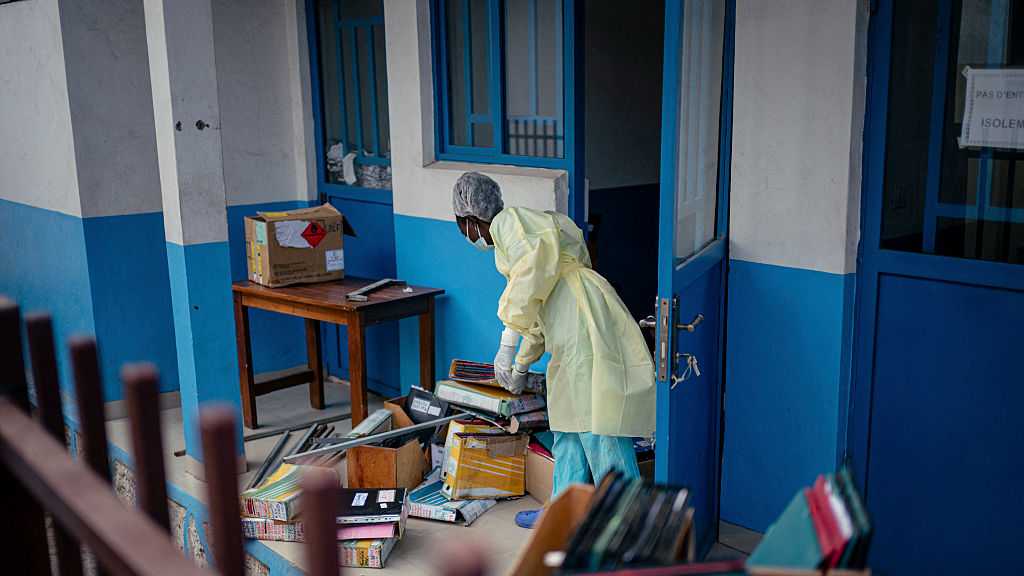
The World Health Organization is calling a deadly Ebola outbreak in Central Africa a “public health emergency of international concern,” as officials suspect the virus has killed nearly 250 people and infected nearly a thousand so far.
The Democratic Republic of Congo remains the center of the outbreak, with the disease linked to the rare Bundibugyo strain of the virus.
Neighboring Uganda has also reported nearly a dozen cases and one death, according to Centers for Disease Control and Prevention data.
Reports indicate that an American missionary doctor presented symptoms after treating infected patients in the DRC and has since been evacuated to Germany for treatment.
The Trump administration has implemented travel restrictions to prevent the virus from entering the United States.
“We cannot and will not allow any cases of Ebola to enter the United States,” Secretary of State Marco Rubio said Wednesday.
The CDC has issued a 30-day order blocking entry for some legal residents traveling from impacted countries, while U.S. citizens may be rerouted to specific airports for enhanced health screenings.
The administration is also working to open a quarantine and treatment facility in Kenya for potentially exposed Americans, though a Kenyan court temporarily suspended the plan Friday.
The State Department said it’s also working to align public health travel measures with Mexico and Canada ahead of the World Cup, which is expected to draw millions of international fans next month.
And, despite no approved vaccine or cure for the current strain, health officials say the risk to the American public remains low. Doctors say transmission of the virus is rare and does not spread through the air.
“This is the third time Ebola has prompted a public health emergency of international concern, and at the same time, not be a threat to the entire world,” Johns Hopkins Bloomberg School of Public Health senior scholar Dr. Amesh Adalja said. “Ebola is spread through contact with blood and body fluids from someone who is actively sick. That’s not a major risk or a possibility during the World Cup.”
The White House said its task force is working closely with World Cup organizers to follow U.S. entry requirements and guidelines for a safe event.
“The White House Task Force on the FIFA World Cup 2026’s top priority is ensuring a safe, secure, and welcoming World Cup for all athletes, fans, and visitors,” a statement from the White House read. “The Task Force is leading unprecedented interagency coordination across the federal government to support tournament preparations and is coordinating closely with agencies responsible for public health, safety, and security.”
A Department of Health and Human Services official says a dedicated World Cup data dashboard is also in development to help state and local health departments track diseases like Ebola.
Historical data show the Bundibugyo strain is notably rare compared to previous Ebola outbreaks. The largest outbreak was caused by the Zaire strain, which led to a deadly epidemic in West Africa starting in 2013.
Watch the latest on the deadly Ebola outbreak in Central Africa: