
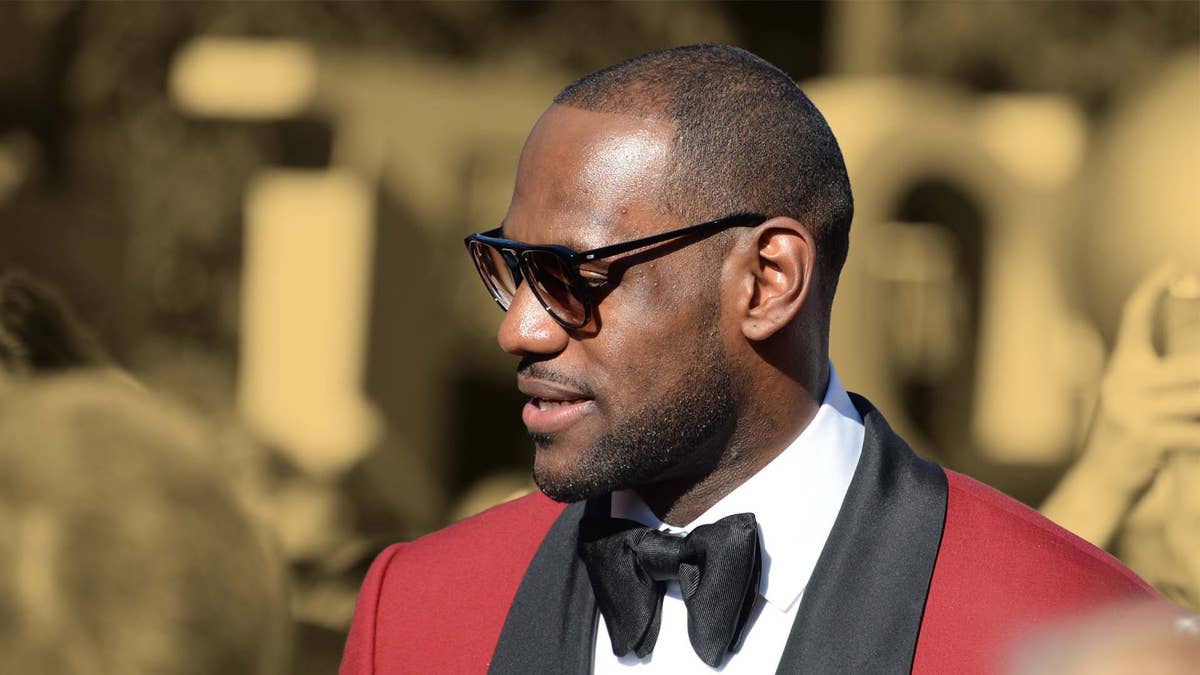
From the moment he entered the NBA, LeBron James understood that he was already a superstar. Fresh out of high school, James carried himself as someone who knew he was destined to be a global brand as much as an athlete.
The hype around him during his rookie season was unprecedented and with that attention naturally came scrutiny over everything beyond just basketball. Fans and corporations also looked at his personality, image and above all else, marketability.
Advertisement
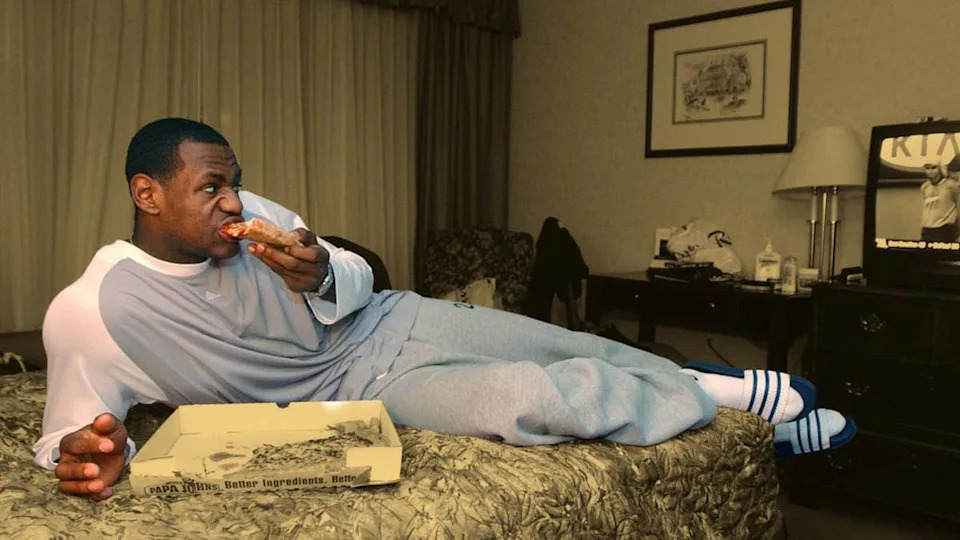
Even after being dubbed a future face of the league, he remained authentic to himself and his style reflected both his own style and the era’s culture. Oversized jeans, baggy tops and fitted caps were staples in his wardrobe.
But what made James different really was his ability to turn into a marketable star whenever he could. And that blend really became essential to his public image and according to his former agent, Aaron Goodwin, it even led to one of the biggest sponsorships of his early career.
A marketable rising star
In 2003, James was already an established name in sports culture before he even debuted in the league and he was invited to serve as a presenter alongside NBA legend Julius Erving at the 2003 ESPY’s.
Advertisement
© PHIL MASTURZO / via Imagn Images
It was a big deal, especially for a young LeBron and his agent, who saw it as a chance to showcase his marketability in his first mainstream entertainment appearance. But at first, Goodwin didn’t really know if the 18-year-old could pull it off, given that he was regularly seen in casual baggy clothes at the time.
“He had this hip-hop look going, with the baggy jeans and sweaters. We didn’t tell him what to wear, but we made it clear this was a big deal, his first appearance on national TV. He said, ‘I’ll take care of it,” Goodwin said.
Advertisement
The next thing Goodwin saw was Bron rocking a slick gray suit just for the occasion. He then went on stage alongside Dr. J, and a few weeks later, a picture of him at one of the most recognizable sports award ceremonies became central to Coca-Cola’s six-figure pitch to him.
“They tell him, ‘We want a kid who can wear jeans one day and wear a suit on a billboard the next.’ We just smiled. It’s like he did their work for them,” Goodwin said.
“Whatever it is, the kid’s got it. It’s moxie. It’s savvy,” he continued. “It’s understanding you can keep your street credibility while integrating yourself in mainstream America.”
Advertisement
Authentic face of the league
At that time, LeBron was touted as the next face of the league. He had already signed a seven-year, $90 million contract with Nike before the Draft, alongside other high-profile sponsorships. He would eventually part ways with Coke after 17 years to sign with its rival, PepsiCo, in 2021.
His ESPYs appearance, in many ways, reinforced the idea that he was embracing the future face of the league tag that was put on him. In the process, he didn’t sell out his authenticity; in fact, he embraced it, highlighted by his iconic baggy suit in the 2003 draft. It was just a reminder to corporations and everyone that he can do both if he wants to.
Advertisement
That rare understanding of the business world at a young age, combined with his greatness on the court, eventually paved the way for him to avoid many of the branding pitfalls that derailed other athletes, as companies trusted him, allowing him to become one of the most marketable stars today with a wide range of sponsorships.
Related: “Ignore the noise” – Mike Brown uses LeBron James setbacks to fuel historic Knicks Run
This story was originally published by Basketball Network on May 29, 2026, where it first appeared in the Off The Court section. Add Basketball Network as a Preferred Source by clicking here.