
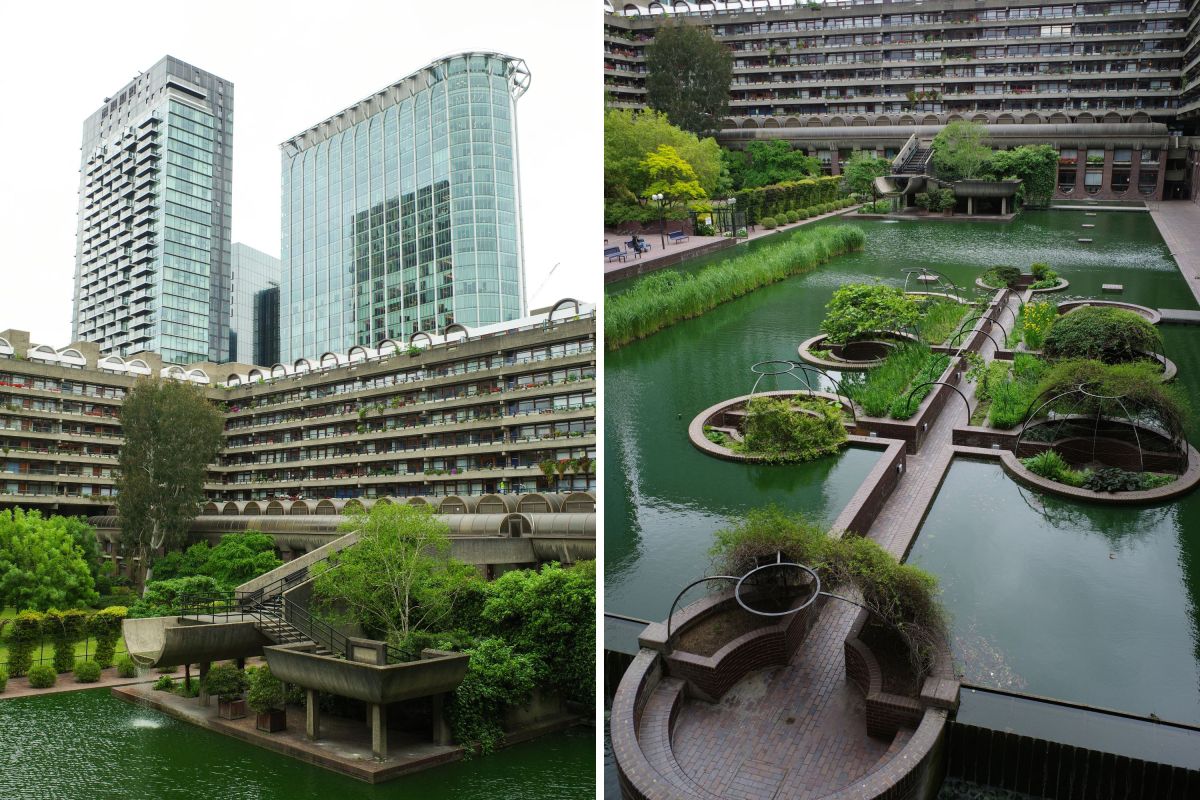
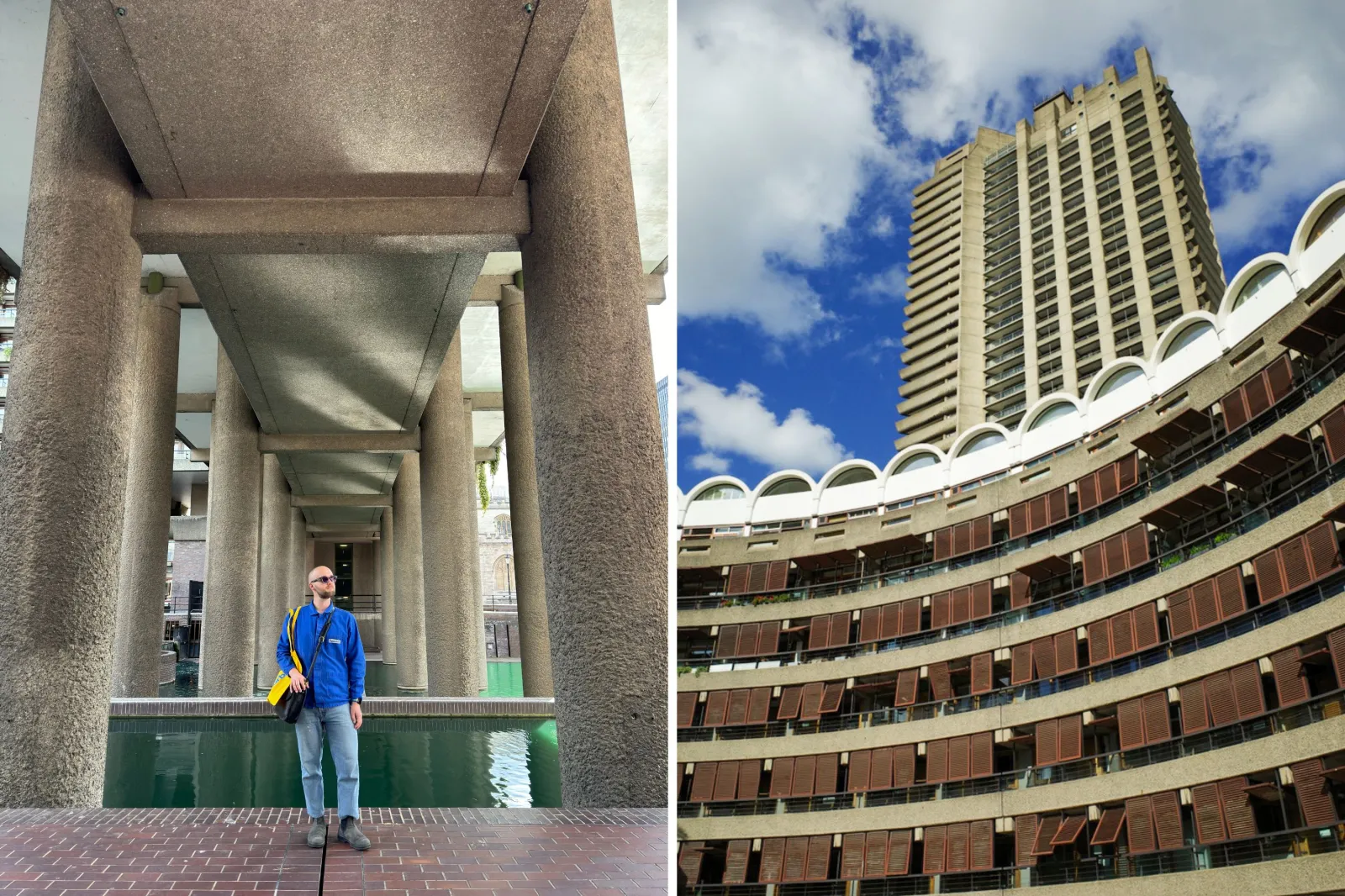
The Barbican in London stands as one of the most recognizable examples of brutalist architecture, featuring an expansive complex of concrete towers, cultural venues, and landscaped public spaces.
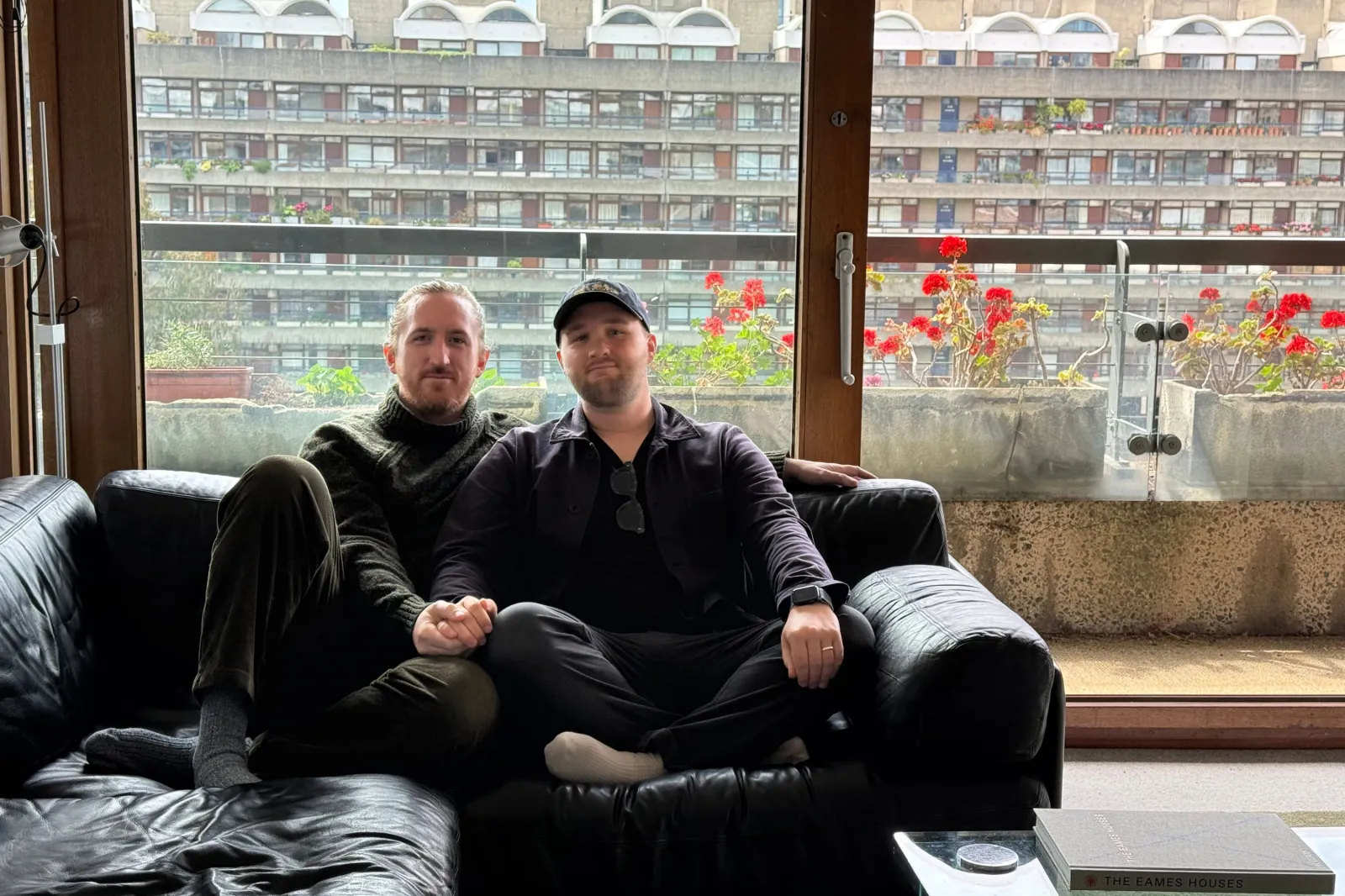
However, for millennial Luke Kaluzny, who moved there with his husband in mid‑2025, the estate is more than an architectural landmark—the iconic setting offers both architectural inspiration and a deeply personal sense of home.
Brutalist architecture, which is known for its raw, concrete, geometric forms, has seen a renewed appreciation in recent years, with buildings once criticized as harsh or outdated being preserved and celebrated. These shifting public attitudes have been driven by cultural interest, sustainability goals, and a broader reevaluation of postwar design.
Younger generations have helped fuel the revival, with social media and design trends reframing brutalism’s raw materials and bold forms as authentic, expressive, and relevant to contemporary architectural priorities. Hannah Simonson, a senior cultural resources planner at Page & Turnbull, an architecture and historic preservation firm, previously told Newsweek that “social media and image-sharing platforms are helping people see the brutalism style in a different way…bringing new attention and new eyes to the architecture.”
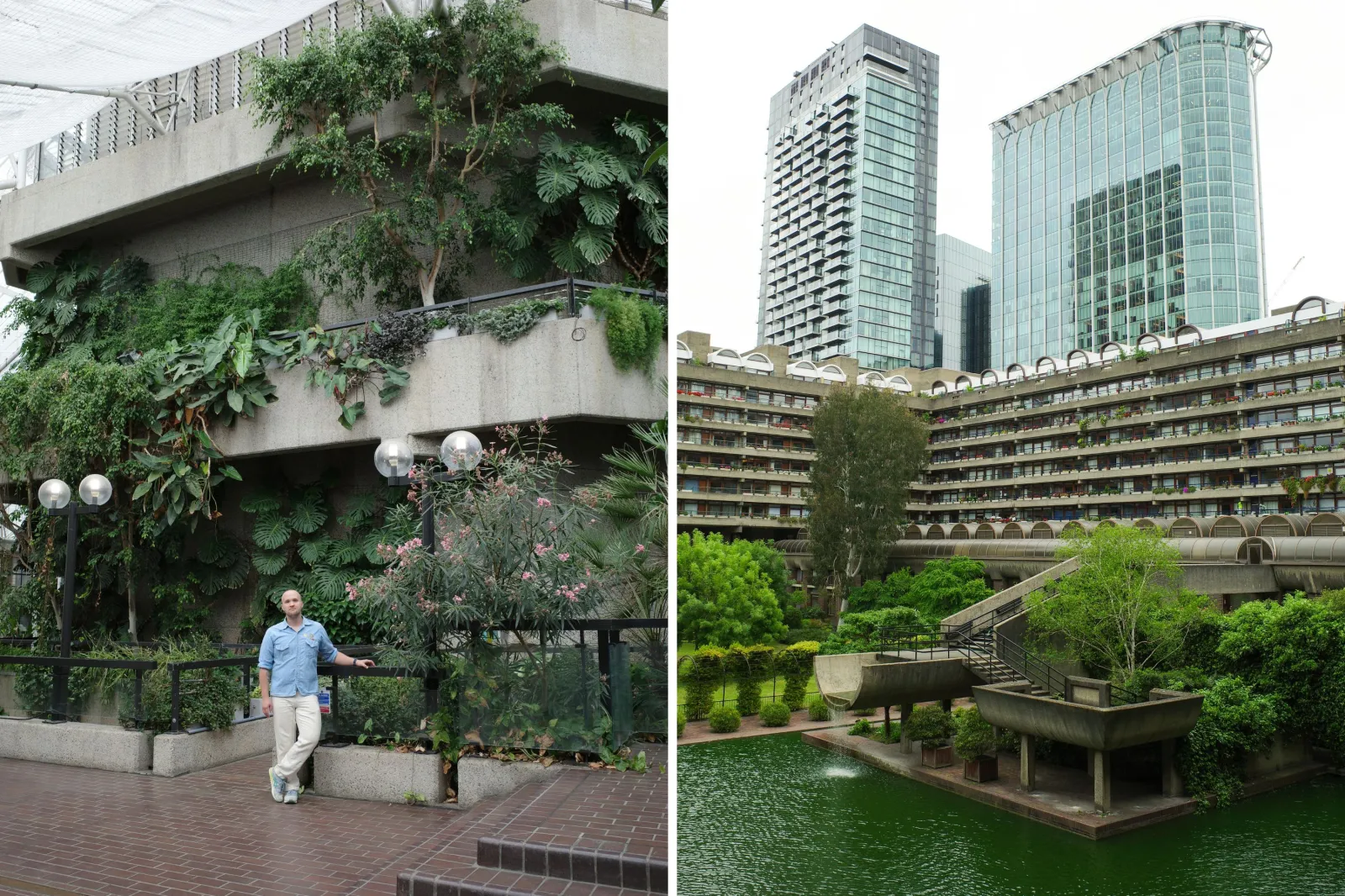
Kaluzny, who shares glimpses of his life on the estate via Instagram (@interluke), lives in an apartment on the south side of the Barbican, which was designed by Chamberlin, Powell and Bon and completed in 1982.
His connection to the Barbican first developed through his interest in modernist housing and utopian urban design. While researching Le Corbusier’s Unité d’Habitation in Marseille, he decided to visit London to see the Barbican firsthand. “The first time I saw the Barbican, I couldn’t believe its scale, and I also couldn’t believe that people were allowed to live here,” he told Newsweek, noting that the same trip also led him to meet his now husband.
When the couple, who are both 34 years old, later began deciding where to settle, they were drawn to places with architectural significance. After viewing several properties, they felt an immediate connection to their eventual home at the Barbican.
 What It’s Like Living at an Architectural Landmark
In short, Kaluzny described his life at the Barbican as “very convenient.” The estate contains an extensive array of amenities, including cultural institutions like theaters, galleries, and halls, alongside everyday services such as shops, cafés, and a library.
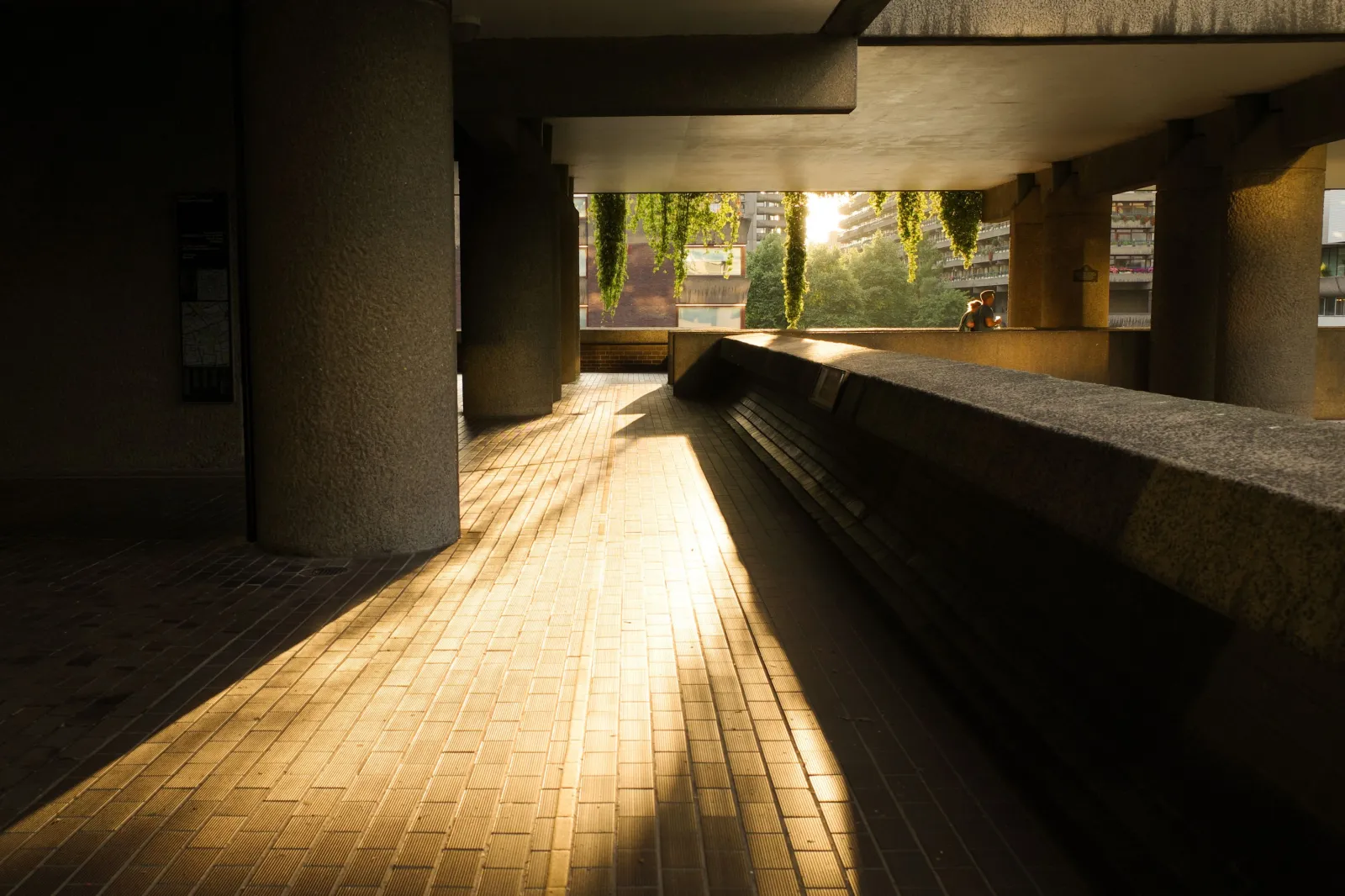
One of the defining features of the estate is its car-free layout. Parking is located underground, allowing the upper levels to function as pedestrian spaces. Kaluzny said this design makes it possible to walk for long distances without encountering traffic, while also reducing noise and pollution.
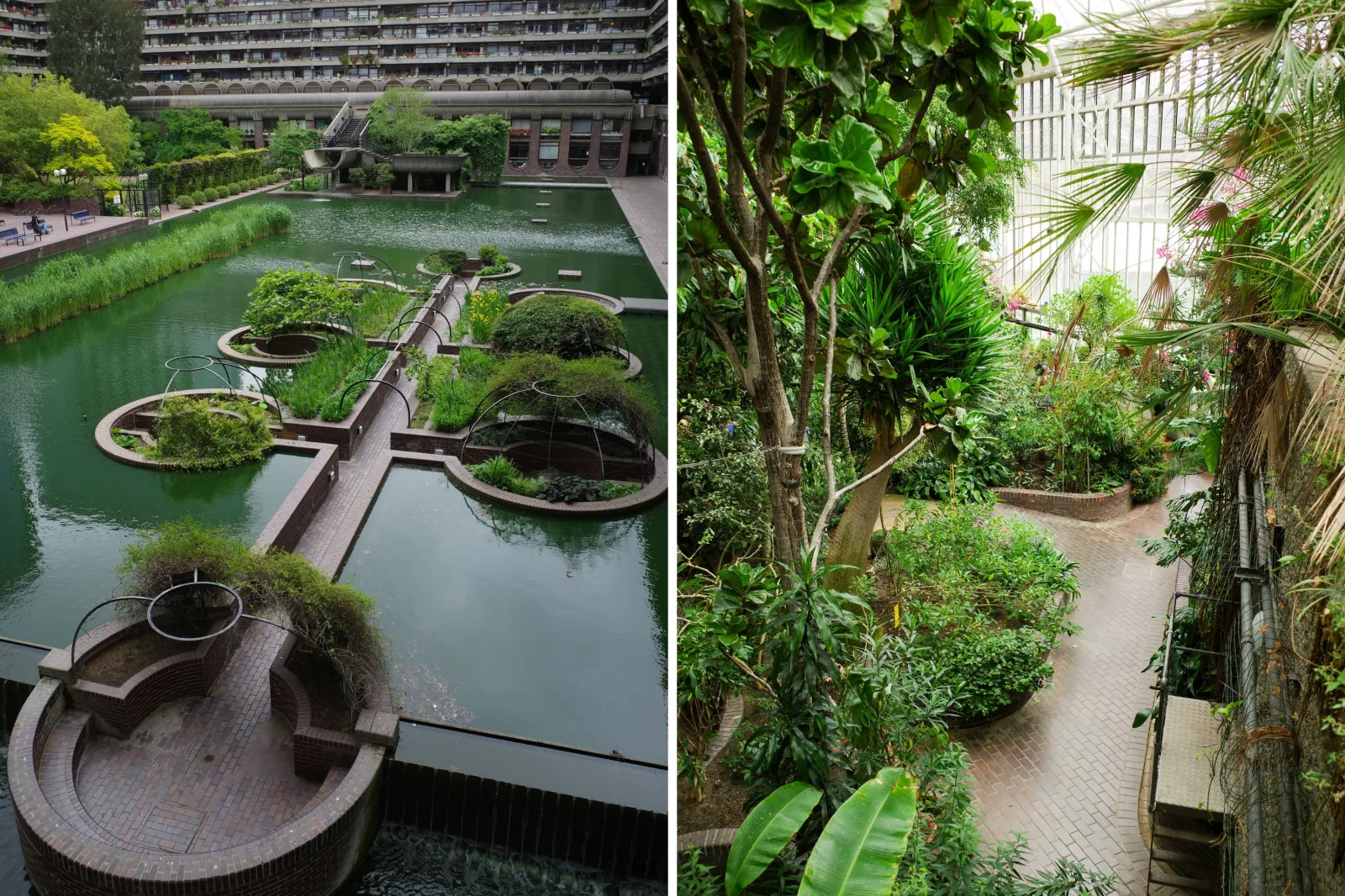
Residents also benefit from access to private green areas via what is known as the “magic key.” Among Kaluzny’s favorite spots are the so-called “igloos,” a series of sunken circular brick pods connected by a walkway, offering quiet spaces for reading or meeting friends during the summer.
While the design and amenities are central to life at the Barbican, Kaluzny emphasized that the community is its most important feature. He described a diverse mix of residents, ranging in age from their 20s to their 90s and spanning professions including artists, designers, musicians, lawyers, and retirees.
What stands out, he said, is that many residents have actively chosen to live there because of what the Barbican represents. That shared appreciation shapes a distinct atmosphere—one defined not just by architecture, but by the people who inhabit it, he says.
A Balance Between City and Serenity
Kaluzny said his enthusiasm for the Barbican is rooted partly in his upbringing. He grew up in a remote area of Washington state, right on the Canadian border, which he describes as beautiful but “very isolated.” As a child, he “dreamed of living in close proximity to others.”
Having later also lived in major cities, Kaluzny said the Barbican achieved a balance he had long sought—a place where “you can feel both a sense of expansiveness and connection.”
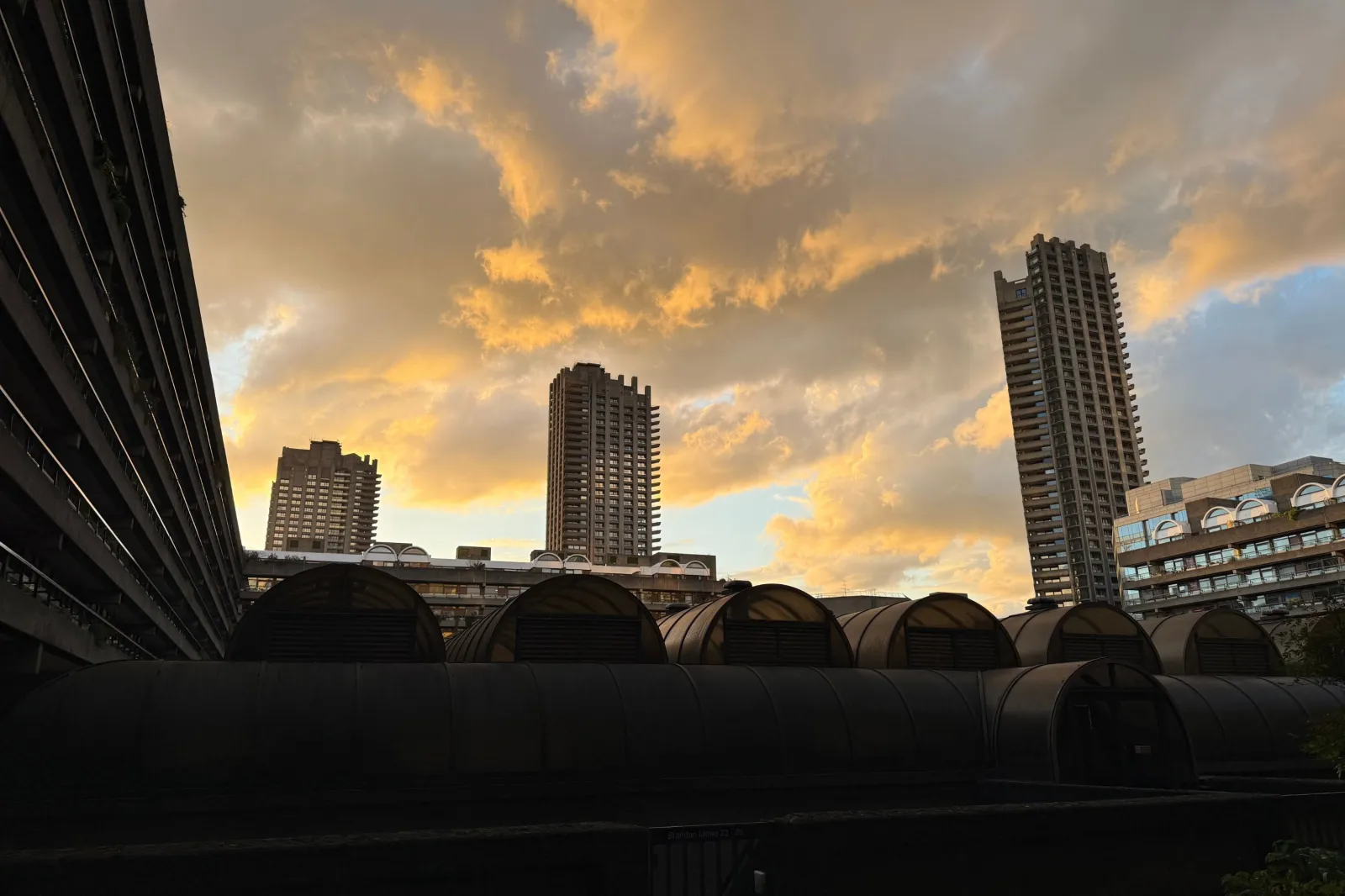
Built on land damaged during World War II, the Barbican reflects a vision of rebuilding rooted in optimism and experimentation, and that sense of ambition is still palpable in the architecture.
At the same time, the site’s historical layers add a distinct sense of continuity. “Sections of Roman wall run through the estate,” Kaluzny said, noting that the St Giles-without-Cripplegate church at the Barbican has been around for nearly 1,000 years.
Do you have an architecture or design-related story to share? Let us know via s.kim@newsweek.com, and your story could be featured by Newsweek.