
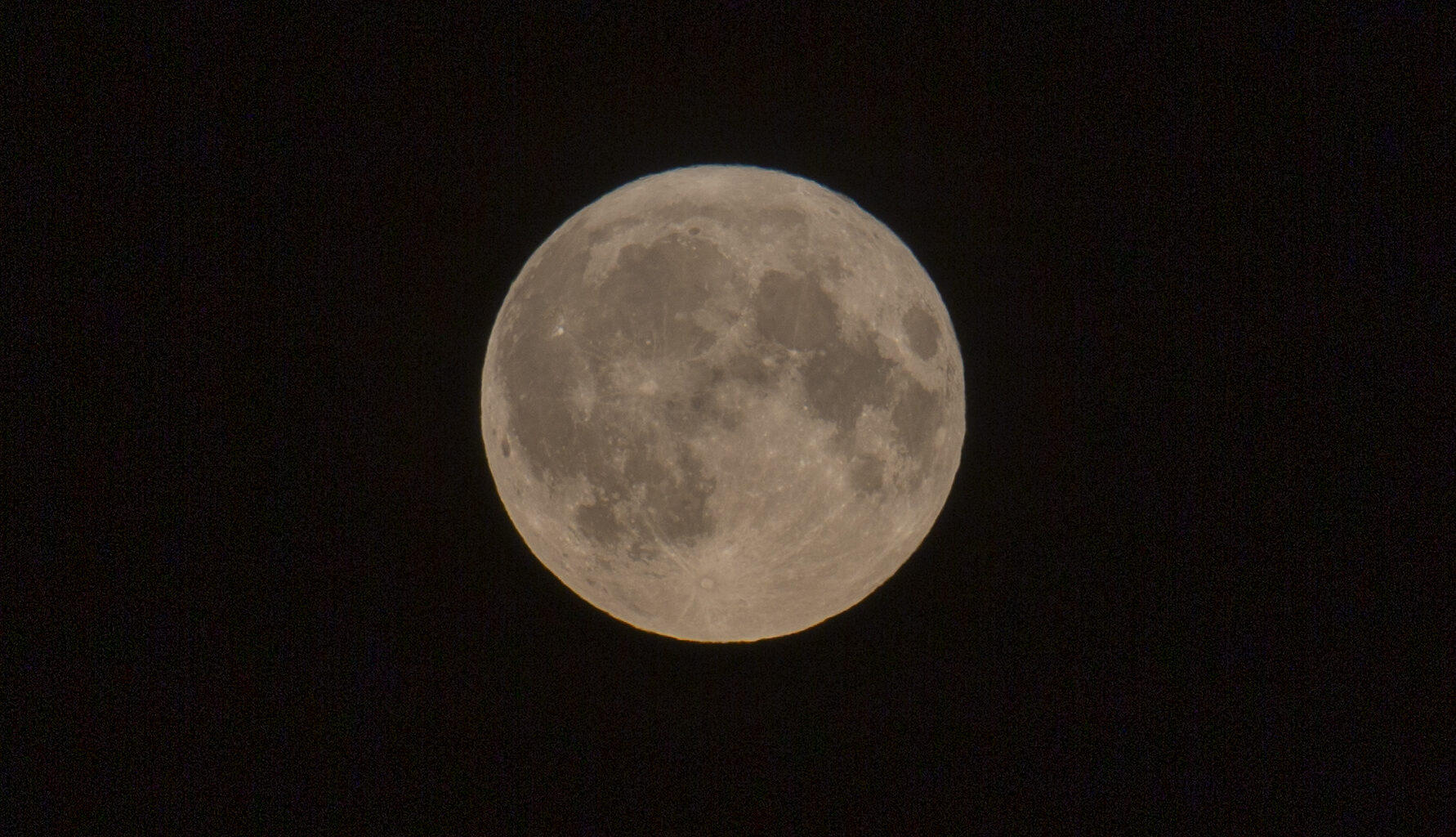
The celestial event occurs seven times every 19 years, or roughly every two or three years, according to EarthSky.
Sunday’s blue moon will reach its peak at 4:45 a.m. ET or 3:45 a.m. CT, before the sun rises.
The best time to see it rise will be at dusk on Saturday, for those in the U.S, when it will appear on the eastern horizon at sunset, glowing orange.
The event will also feature a micromoon, according to EarthSky, which means it will be near its farthest point from Earth in its orbit.
Sunday’s blue moon is rare; the next of this kind won’t occur until Dec. 2028.
The moon cycle follows eight lunar phases, and lasts 29.5 days, just one day shy of a typical month’s length.
Due to the shortened window, some months host two full moons, the second of which is called a “calendrical” blue moon, or what is more commonly known as a blue moon.
There is another kind of blue moon, called a “seasonal” blue moon, which occurs when four full moons, rather than the usual three, appear within a three-month season. The third is the blue moon.
The phrase “blue moon” does not refer to the moon’s actual color, but to the shorter blue wavelengths that scatter off air molecules as the rising moon shines through Earth’s atmosphere.
The effect, which includes longer red and orange wavelengths passing through more directly, is known as Rayleigh scattering and gives moonrises and sunsets their warm, glowing colors.