
CHARLESTON — It’s been a soggy couple of days for the Lowcountry. But South Carolina still is firmly in a drought, and the generally parched conditions might create some dangerous situations for the 2026 hurricane season, including trees that are more likely to topple in a storm.
Downtown Charleston received about 2 inches of rainfall from May 31 through June 1, according to the National Weather Service. North Charleston registered a little less, clocking in at just over an inch for the 48-hour period. Sudden heavy downpours on June 1 coincided with the evening high tide, triggering flash flood alerts across the region.
Charleston was about 8 inches below normal precipitation levels for January through April (the latest date available), according to the U.S. Drought Monitor. Heading into the rainy weather, the Monitor labeled the entire county under an “extreme” drought as of May 26.

The Post and Courier’s Rising Waters Lab focuses on impacts of climate change and related policies and practices. It is supported by donations and grants to the nonprofit Public Service and Investigative Fund, whose contributors are subject to the same coverage we apply to everyone else. For more information and to make a donation, go to postandcourierfund.com.
To sign up for our newsletter, click here.

South Carolina’s drought conditions as of May 26.
U.S. Drought Monitor/Provided
Counter-intuitively, those dry conditions might make flash flooding more likely.
“(The soil) gets packed down, and it can only absorb in that first one to maybe two inches, and that’s it,” said Paul Pastelok, a senior meteorologist with AccuWeather. “ A lot of it ends up running off and doesn’t really help the drought situation.”
While things in Charleston County aren’t under an “exceptional” drought warning yet, parts of Beaufort, Jasper, Colleton and Hampton counties have been bumped up to that level.
“ When we get these kind of rain systems, (people) say, ‘Oh, it’s over. Everything’s done. We’re good,’” Pastelok said. “But that’s not the case, because we need more of it. We need consistent rain from day to day, or at least every couple of days, rather than just one big, huge rain event for 24 hours.”
If the drought worsens, it could have an effect on local trees.
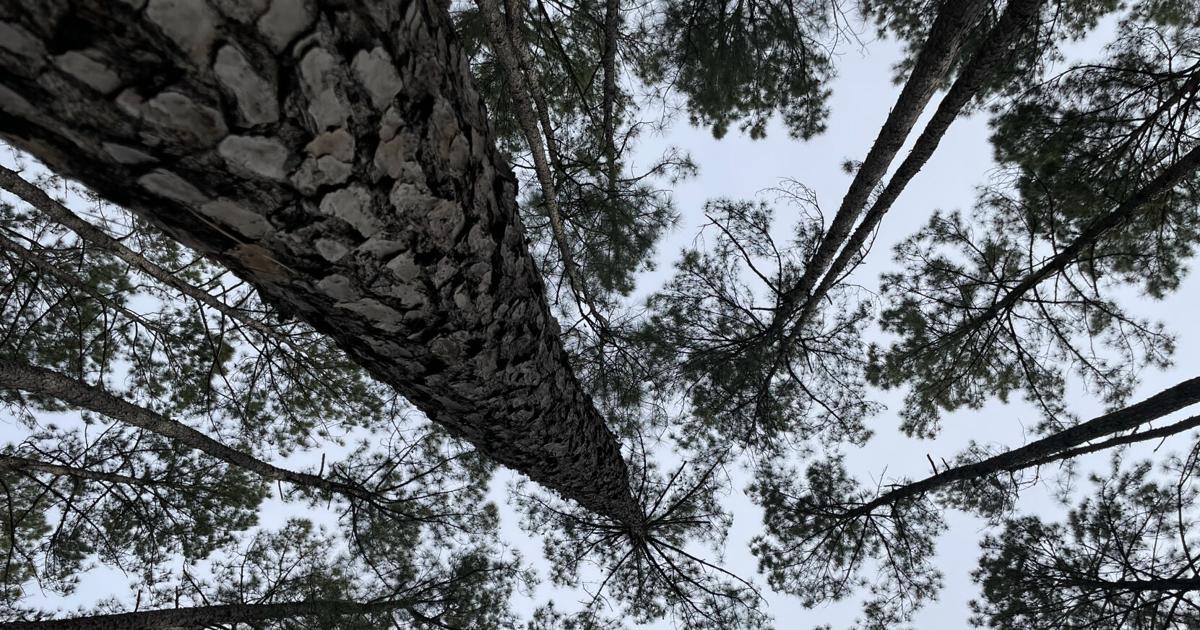
One of the side effects of an “exceptional” drought — the highest ranking on the Drought Monitor — is that trees begin to get stressed. Functionally, that means leaf discoloration, sparse canopies and (in a worst-case scenario) trees prone to toppling during severe storms. That might be a problem as the state heads into hurricane season.