
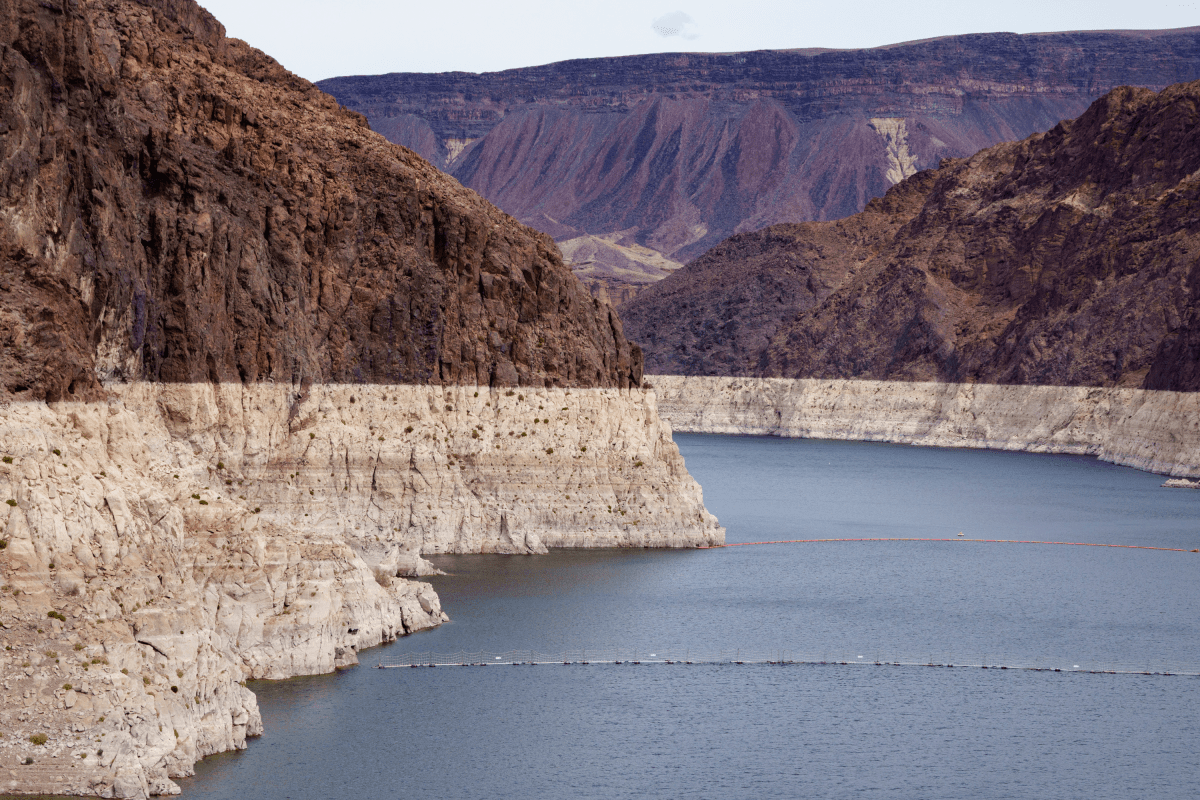
The Colorado River system is on track for a potential “system crash” within the next few years, according to a stark new analysis from researchers at the University of Colorado.
The report warns that water storage across the basin’s two largest reservoirs—Lake Mead and Lake Powell—is continuing to fall, raising serious concerns about the long-term reliability of one of the United States’ most critical water supplies.
Storage Decline Deepens as 2026 Runoff Disappoints
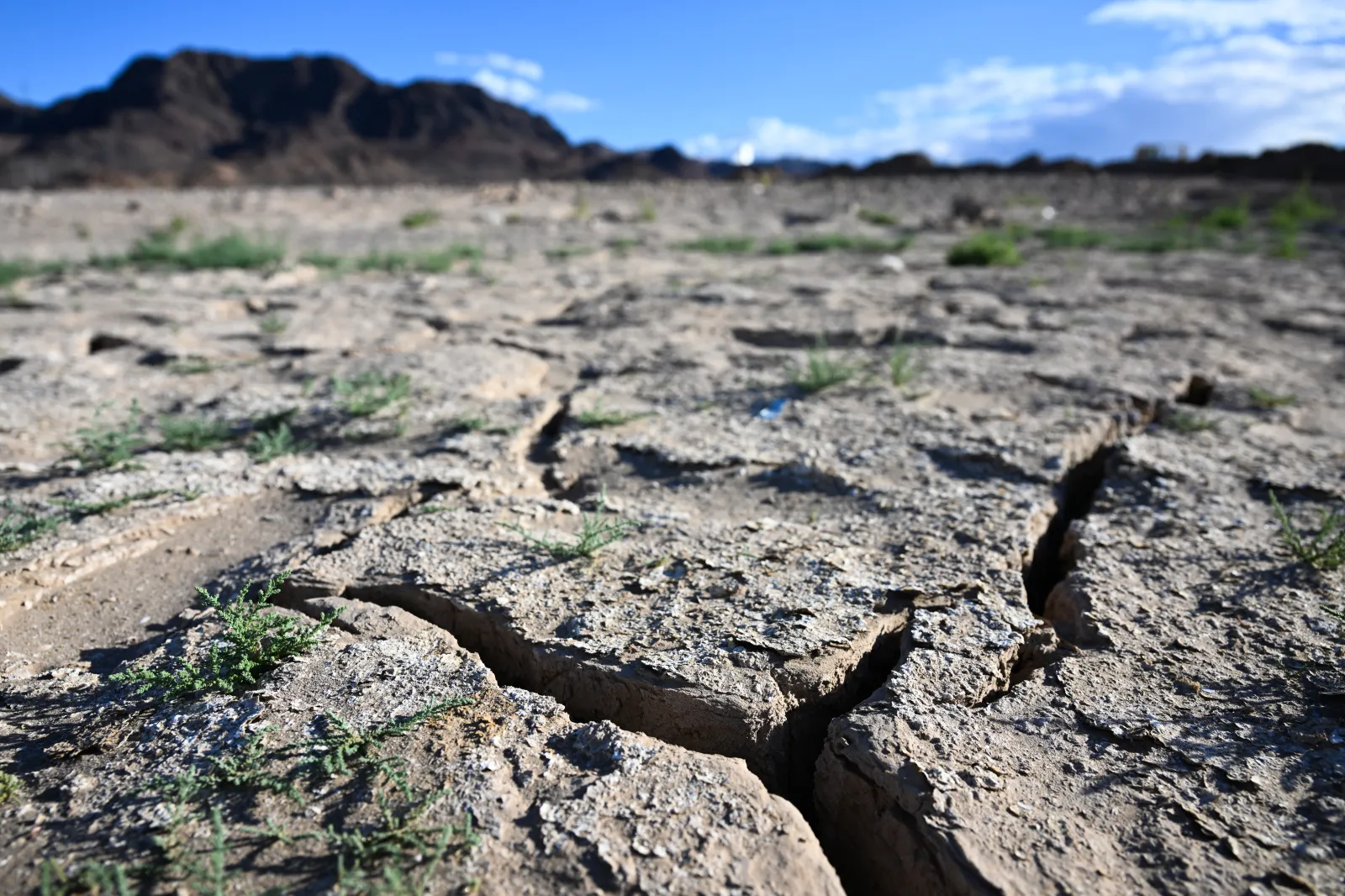
The study highlights 2026 as shaping up to be one of the lowest runoff years on record, worsening an already severe imbalance between water supply and demand. Even after years of conservation efforts, water use continues to outpace natural inflows—meaning reservoir levels are still dropping.
Read More on News
That mismatch is at the heart of the crisis.
Researchers warn that even though people have cut back on their usage a bit, they’re still using more water than the river naturally provides—so the reservoirs keep dropping every year.
 A Path Toward ‘Run-of-the-River’ Conditions
The consequences of continued decline could be dramatic.
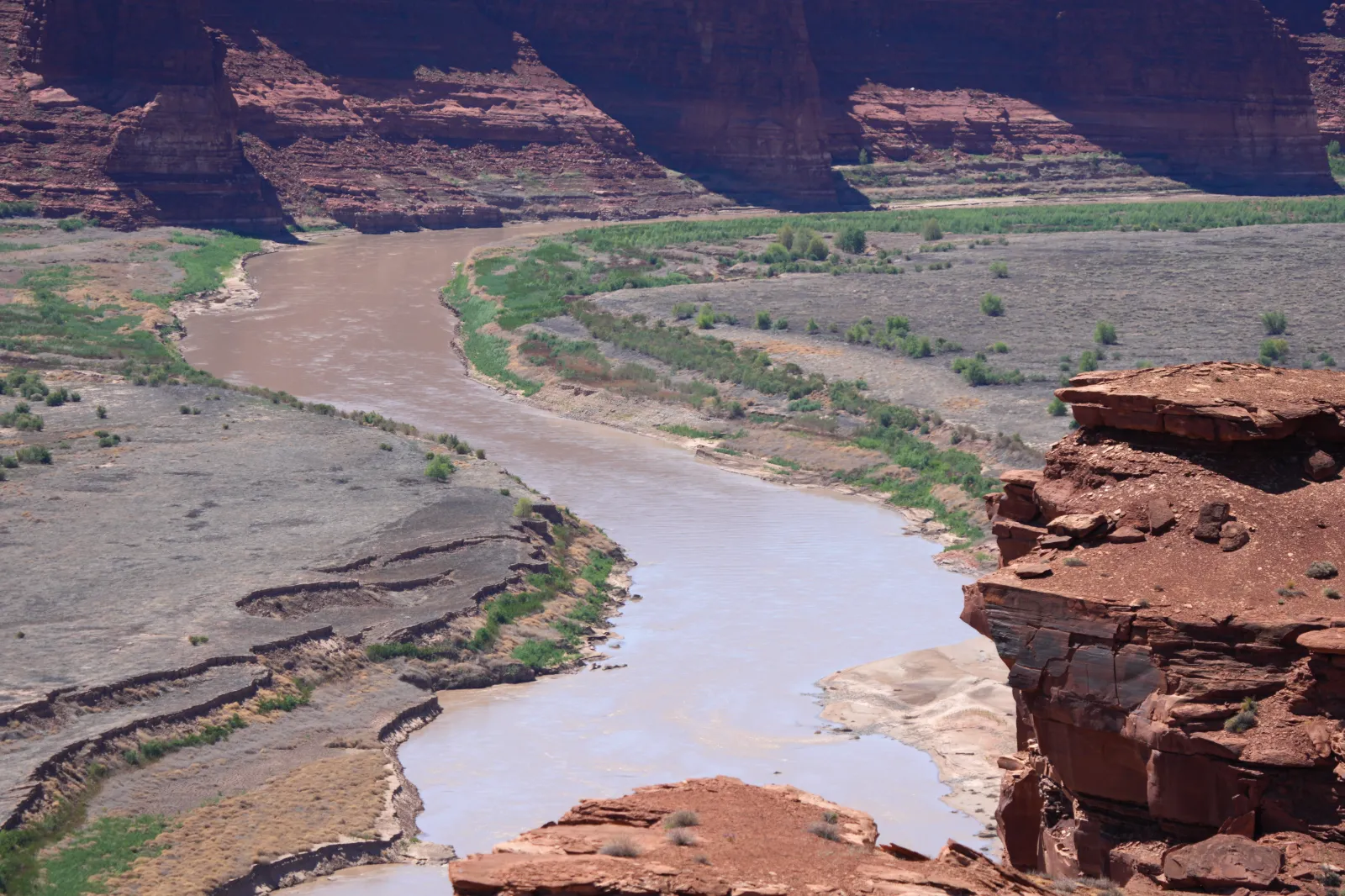
If another dry year similar to 2025 occurs, the report said Lake Mead and Lake Powell could be largely depleted, forcing “run-of-the-river” operations—where water flows downstream, straight through the system, in real-time, without being stored in large quantities.
Such a scenario would carry “devastating consequences” for cities, agriculture and ecosystems across the American West and parts of Mexico that depend on the Colorado River.
Even in a more optimistic scenario, where a very wet year boosts water levels, the gains would likely be short-lived. Researchers estimate that such a recovery would only provide around two years’ worth of relief before the system slips back toward crisis conditions.
 Looming Shortfalls and a 2028 Warning
Under a continued dry scenario, the report points to a roughly 2.6 million acre-foot annual shortfall between supply and use—a gap that would accelerate depletion.
Scientists warn that by 2028, reservoir levels could fall so low that normal operations—including water deliveries and hydropower generation—may no longer be possible.
This threshold effectively defines what the report describes as a “system crash,” where the multi-billion-dollar infrastructure underpinning the Colorado River can no longer function as intended.
 A Long-Term ‘Ratchet Effect’
The current crisis is not the result of a single bad year, but a decades-long trend. Storage has fallen sharply from near-full levels in 1999 to a fraction of that today, as repeated dry and average years offset only temporary gains from wetter periods.
Researchers describe this pattern as a “ratchet effect”, meaning occasional wet years provide a brief boost, but are quickly erased by ongoing overuse and subsequent dry conditions.
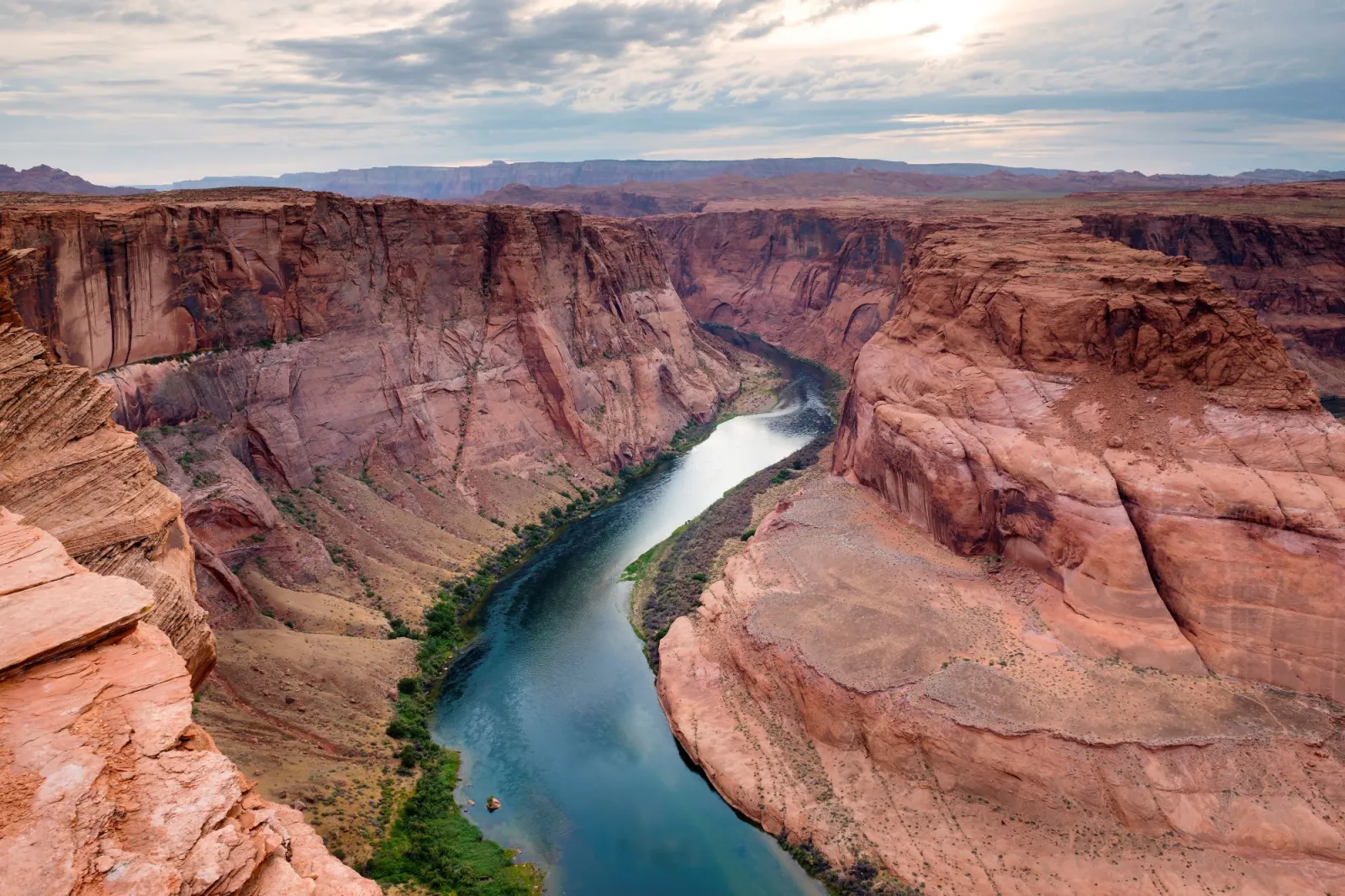
The central conclusion is clear: current water use across the Colorado River Basin is unsustainable. The report calls for significant and coordinated reductions in water consumption across the Upper and Lower Basin states, as well as Mexico.
Without those changes, the system risks losing its ability to reliably deliver water—threatening millions of people and vast agricultural economies that depend on it.
Bottom Line
The warning is severe: Without major conservation measures, the Colorado River’s reservoir system could soon lose the ability to function as it’s meant to, pushing the region into a prolonged and potentially irreversible water crisis.