

Google is asking federal regulators for permission to release millions of specially treated mosquitoes in Florida and California, but the goal is not to increase populations of biting mosquitoes that already swarm backyards after warm, rainy weather.
The company is seeking an experimental use permit from the U.S. Environmental Protection Agency for a mosquito-control project involving male Culex quinquefasciatus mosquitoes. The Federal Register notice lists the submitter as “Google LLC” and identifies the pesticide chemical as “Wolbachia pipientis wAlbB Contained in Live Adult Culex quinquefasciatus Male Mosquitoes (DQB Strain).”
According to the Federal Register, Google is proposing to release the mosquitoes over two years in California and Florida.

The Google logo is displayed on a building at Google headquarters, on Feb. 4, 2026 in Mountain View, California. (Photo by Justin Sullivan/Getty Images)
“In Florida, up to 16,000,000 DQB Male Mosquitoes are proposed to be released in year 1, and up to 16,000,000 released in year 2. In California, up to 16,000,000 are proposed to be released in year 1, and up to 16,000,000 released in year 2,” the Federal Register notice said.
That means the project could involve up to 32 million mosquitoes in Florida and up to 32 million in California over two years, or up to 64 million total across the two states.
Using mosquitoes to reduce mosquitoes populations and disease transmission
The goal is reproduction control. When Wolbachia-treated male mosquitoes mate with wild female mosquitoes, the resulting eggs are not expected to hatch. Over time, repeated releases can reduce the local population of the targeted mosquito species.
The mosquitoes in Google’s proposal are male, which is a key distinction for residents who may be uneasy about the plan. Male mosquitoes do not bite people. Female mosquitoes are the ones that bite humans and animals and can spread disease.
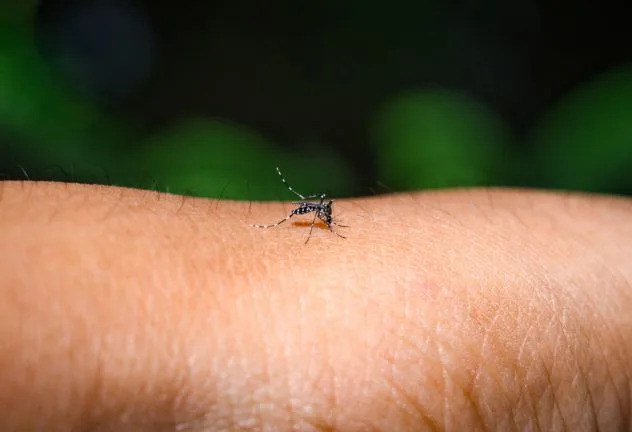
FILE PHOTO: The Aedes mosquito is a known vector for several viruses, including West Nile virus, yellow fever virus, dengue virus, chikungunya virus, and Zika virus. (Photo by Soumyabrata Roy/NurPhoto via Getty Images)
Culex mosquitoes are found in the United States and can spread viruses such as West Nile, St. Louis encephalitis and eastern equine encephalitis, according to the Centers for Disease Control and Prevention. West Nile virus is the most common disease spread by mosquitoes in the contiguous United States.
The proposal comes as mosquito control remains a growing concern in many communities during the warmer months. Culex mosquitoes lay eggs on the surface of fresh or stagnant water, and larvae develop in water before becoming flying adults. That is why periods of rain followed by warm weather can heighten mosquito concerns, especially when water collects in buckets, planters, birdbaths, gutters, discarded tires or unmaintained pools.
The EPA has not yet approved the request.
“Following the review of the application and any comments and data received in response to this solicitation, EPA will decide whether to issue or deny the EUP request, and if issued, the conditions under which it is to be conducted,” the Federal Register notice said. “Any issuance of an EUP will be announced in the Federal Register.”
The project reflects a broader push toward targeted mosquito-control strategies that reduce reliance on broad chemical spraying. The CDC says Wolbachia bacteria cannot make people or animals sick, and mosquitoes with Wolbachia can be used in programs designed to reduce mosquito populations. The EPA regulates the use of mosquitoes with Wolbachia, while state and local authorities must also approve releases.
Google’s request remains under federal review, so the mosquitoes have not been cleared for release under this experimental permit. If the application is approved, the EPA would set conditions for where, when and how the releases could take place.