
COLUMBUS, Ohio (WSYX) — The Ohio Department of Medicaid announced in a news release Thursday it would suspend payments to 49 high-risk Medicaid home health providers who showed red flags.
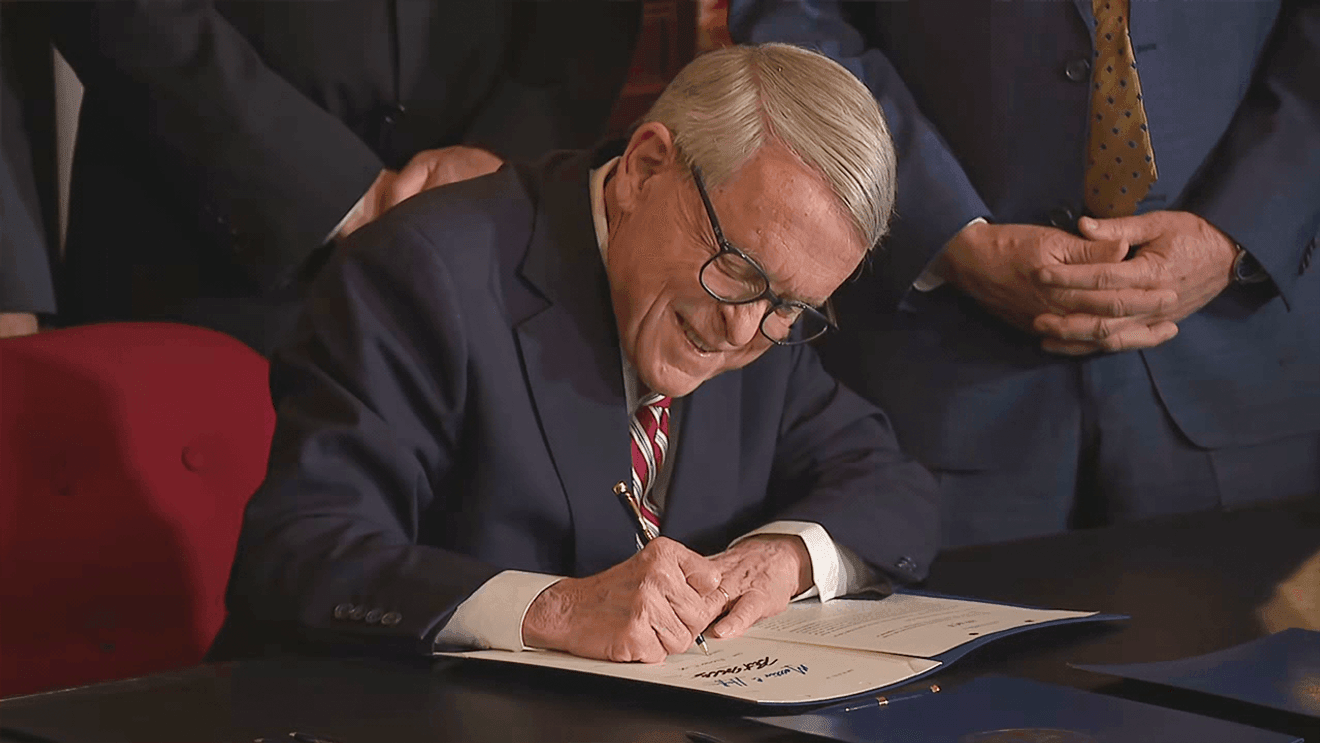
An executive order from Governor Mike DeWine made the suspensions possible. The order allows emergency rules to be established to make the immediate suspensions work operationally.
“These initial suspensions mark a critical step forward in ensuring accountability and deterring abuse within the Medicaid system,” ODM Director Scott Partika said in a news release. “We will continue using advanced analytics and enforceable action to protect Ohioans and preserve program integrity.”
Under Gov. DeWine’s order, ODM can immediately suspend payments to providers whose billing patterns and data anomalies suggest fraud.
Using new data analytics tools, ODM identified 49 home health providers whose billing patterns raised concerns. The providers are now under review with payments temporarily suspended while investigations move forward, according to the news release.
The action reflects Ohio’s commitment to protecting taxpayer dollars and safeguarding the integrity of Medicaid.
The suspension aligns with Gov. DeWine’s broader strategy to:
Enforce a sixmonth moratorium on new enrollments for high-risk provider categoriesRequire more frequent revalidation of providers identified as high-riskAccelerate the implementation of GPS-based Electronic Visit Verification (EVV) to better monitor inhome services
Ohio’s approach combines provider screening, real-time billing analysis, and interagency collaboration.
The steps are designed to swiftly detect and disrupt fraud. ODM will continue to monitor high-risk providers.
The emergency rule, authorized through Gov. DeWine’s Executive Order 2026-02D, was adopted to address needs identified by ODM in stopping fraud before payments are made, according to a news release. The previous process created the risk of service disruption to vulnerable Ohioans.
Rule 5160-1-17.51 outlines:
Conditions under which ODM may suspend provider claims payments based on credible allegations of fraud or indictments involving noninstitutional providers.Expectations for provider cooperation during investigations.Notice procedures and criteria for lifting a suspension when allegations are resolved or good cause exists.
The rule takes effect upon filing with the Secretary of State, the Legislative Service Commission, and the Joint Committee on Agency Rule Review (JCARR), and will remain in effect for 120 days or until made permanent through the standard rulemaking process.