Invasive species—non-native organisms introduced to ecosystems where they do not naturally belong—are expanding their footprint across the country, driving notable ecological disruptions.
These species pose a multi-faceted threat to the nation’s critical infrastructure, jeopardizing agricultural productivity, commercial fisheries, and freshwater systems. Beyond ecological damage, certain invasive species serve as vectors for disease, threatening livestock health and public safety, while others fundamentally alter landscapes by fueling more frequent and intense wildfires.
The financial ramifications of these biological invasions are staggering. According to data compiled by the U.S. Geological Survey (USGS), the collective economic burden of invasive species in the United States between 1960 and 2020 reached an estimated $1.22 trillion, driven by environmental damages, resource losses, and skyrocketing mitigation and management costs.
Read More on U.S.
This crisis is further compounded by shifting environmental paradigms. Rising global temperatures, altered seasonal cycles, and a higher frequency of extreme weather events—such as severe flooding and wildfires—are destabilizing native ecosystems. These disruptions create optimal conditions for non-native species to colonize new territories, intensifying the urgency for proactive, coordinated management strategies.
Top 10 Most Concerning Invasive Species in the U.S.
The following ranking by Newsweek outlines 10 of the most concerning invasive species currently impacting the U.S. This non-exhaustive list is evaluated based on the velocity of their proliferation, geographic distribution, economic and ecological expenditures, and the severity of the threat they pose to domestic infrastructure and biodiversity.
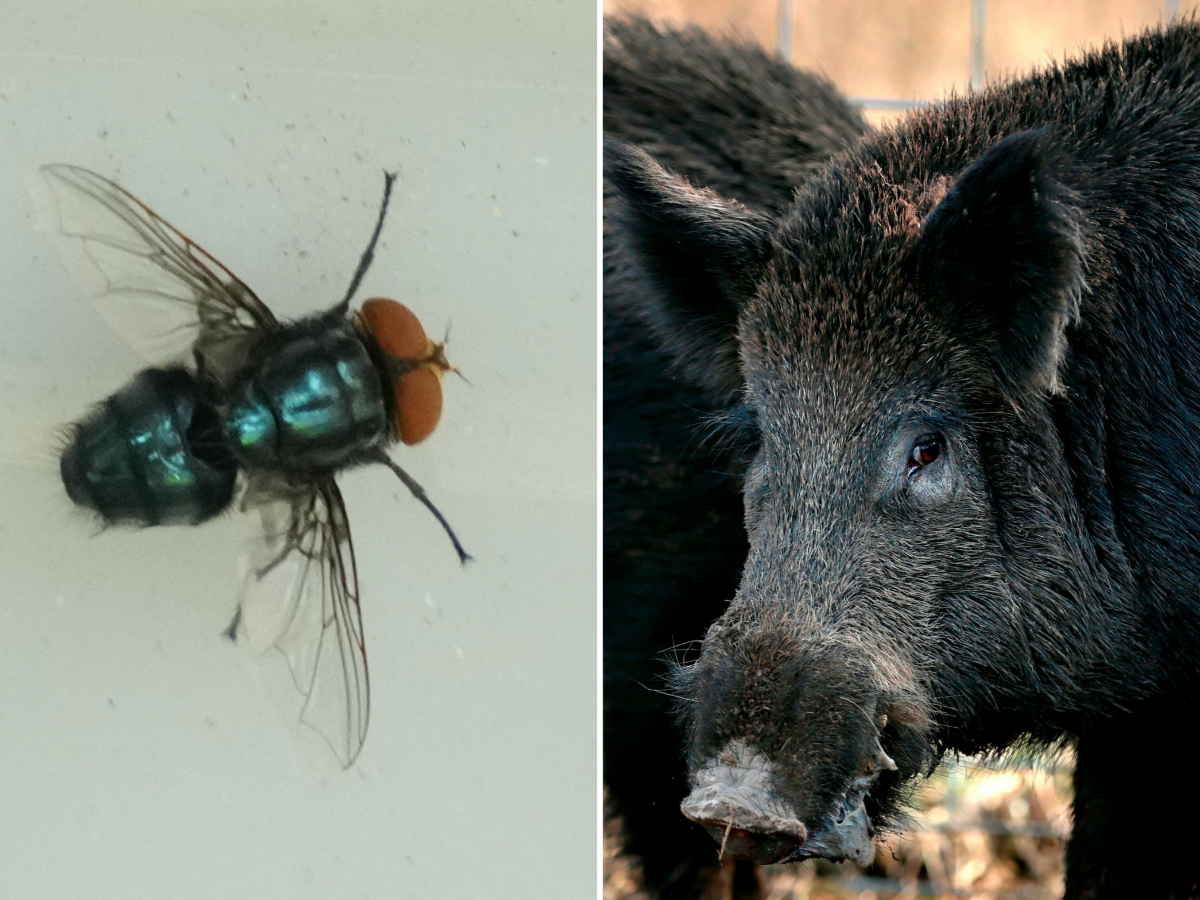
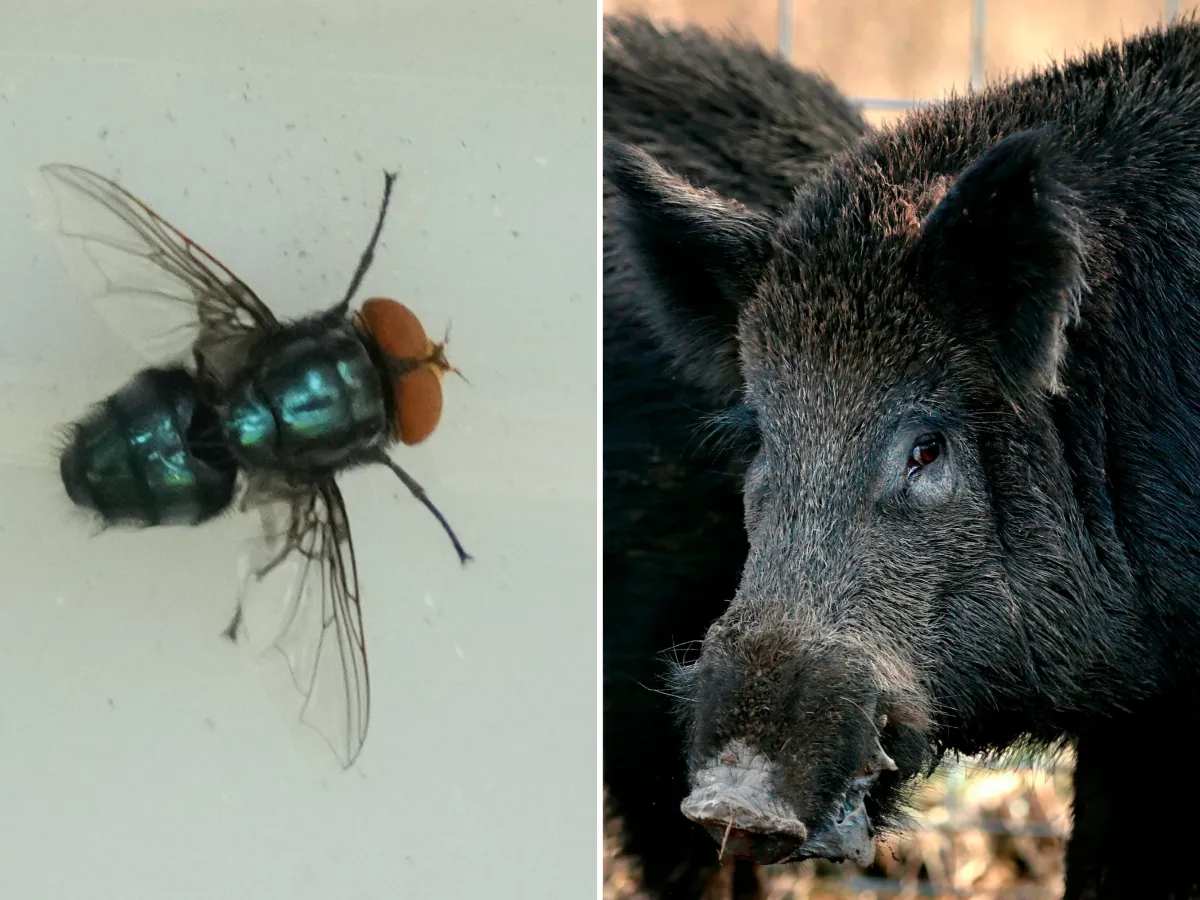
1. New World Screwworm Fly
The New World screwworm is a highly destructive parasitic fly whose larvae feed exclusively on the living tissue of warm-blooded animals, causing severe, deep-tissue wounds that can be fatal if left untreated. While the parasite primarily targets livestock, it also poses a severe threat to wildlife, domestic pets, and, in rare instances, humans.
Native to the tropical regions of Central and South America, the species has historically breached U.S. borders and was recently detected in Texas. The parasite can decimate herds rapidly, triggering catastrophic economic losses within the cattle industry and inflating consumer beef prices. Management demands aggressive intervention, including emergency quarantines and the deployment of the sterile insect technique (SIT). Notably, while the larvae destroy livestock health, they do not compromise the safety of processed food supplies.
2. Feral Hogs
Feral hogs, also referred to as feral swine, are the descendants of domestic pigs introduced to North America by European settlers. Decades of escapes and intentional releases have allowed these highly adaptive animals to establish self-sustaining wild populations.
Today, feral hogs are widespread across the country, with dense concentrations in the South and California. They are highly destructive to landscapes, causing an estimated $3.4 billion in annual agricultural damages through rooting and foraging. Furthermore, they serve as reservoirs for dangerous pathogens, including brucellosis, which threatens domestic livestock herds and presents zoonotic transmission risks to humans.
 3. Golden Mussel
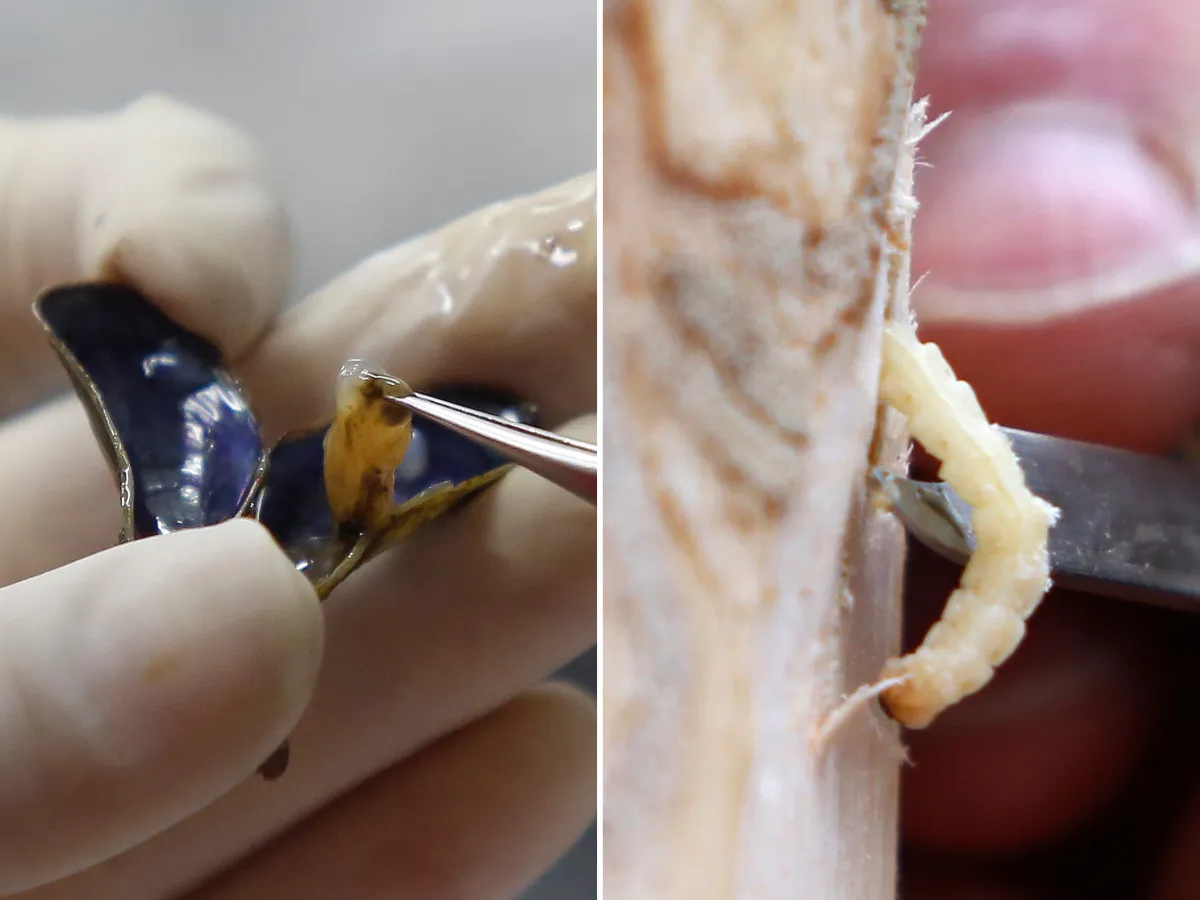
The golden mussel is an invasive freshwater bivalve native to East and Southeast Asia. The species marked a milestone in October 2024 when it was detected in North America for the first time, specifically within California’s Sacramento–San Joaquin Delta.
It is considered a threat because it forms dense colonies that clog pipes, damage water infrastructure, threaten fisheries, and impact water supply systems relied on by millions.
4. Emerald Ash Borer
The emerald ash borer is a wood-boring beetle native to Asia that is believed to have entered the U.S. via infested solid-wood packaging materials utilized in international trade.
It has spread across dozens of states and killed tens of millions of ash trees by laying eggs in the bark crevices, meaning their larvae then feed on the inner bark, cutting off nutrient flow. This has caused widespread ecological damage and expensive tree removal programs affecting cities, forests, and timber industries.
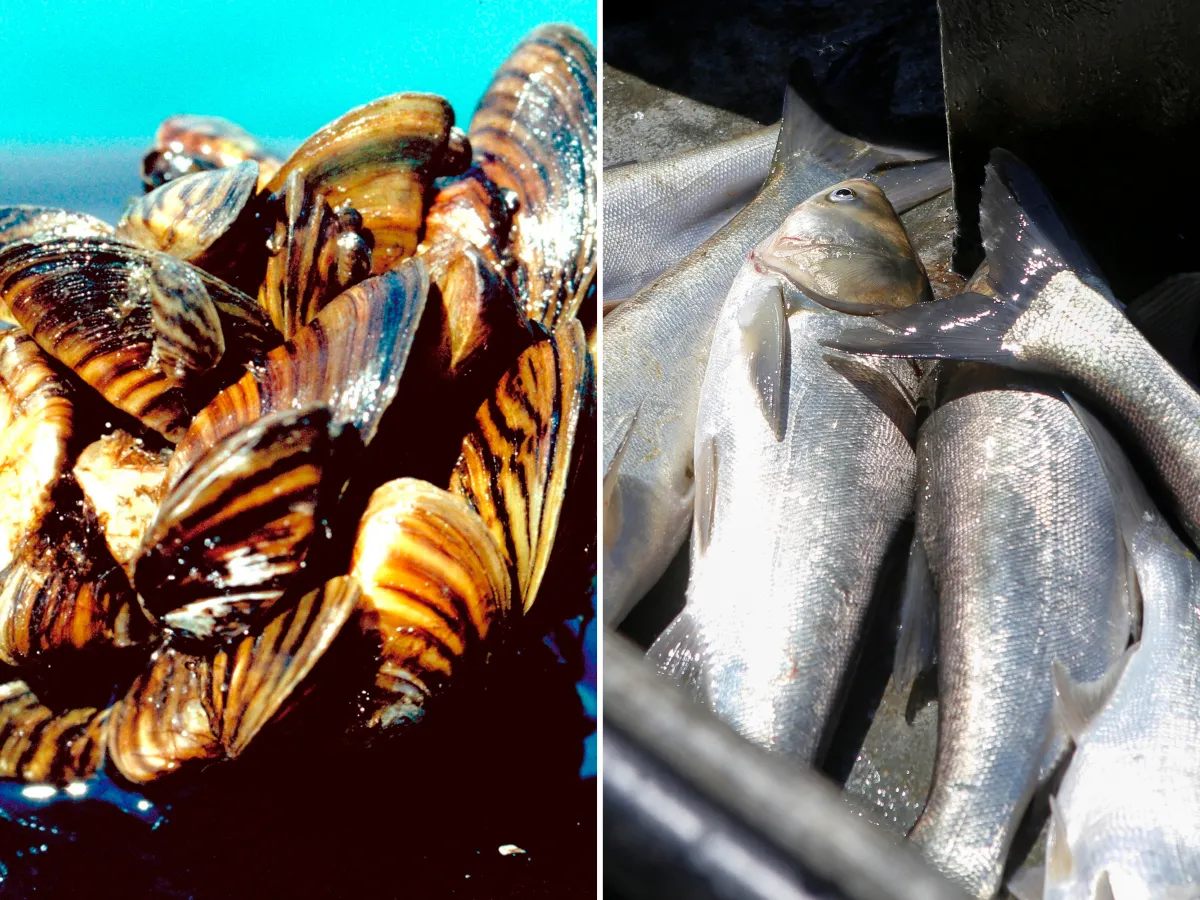
 5. Zebra Mussels
Zebra mussels are small freshwater mollusks native to the lakes of Southern Russia and Ukraine. They were introduced to the North American Great Lakes in the late 1980s via the discharge of contaminated ballast water from transoceanic ships.
This means that they can clog pipes and water systems, causing hundreds of millions of dollars in annual damage while disrupting native aquatic ecosystems.
6. Asian Carp
Asian carp are large fish species native to Asia that were introduced to the U.S. in the 1970s for aquaculture and wastewater treatment before escaping into the wild. They now dominate parts of the Mississippi River system and are moving toward the Great Lakes, where they could establish permanent populations.
They are a considered a threat because they consume plankton needed by native fish and outcompete other species, meaning they could severely disrupt fisheries and ecosystems.
 7. Spotted Lanternfly
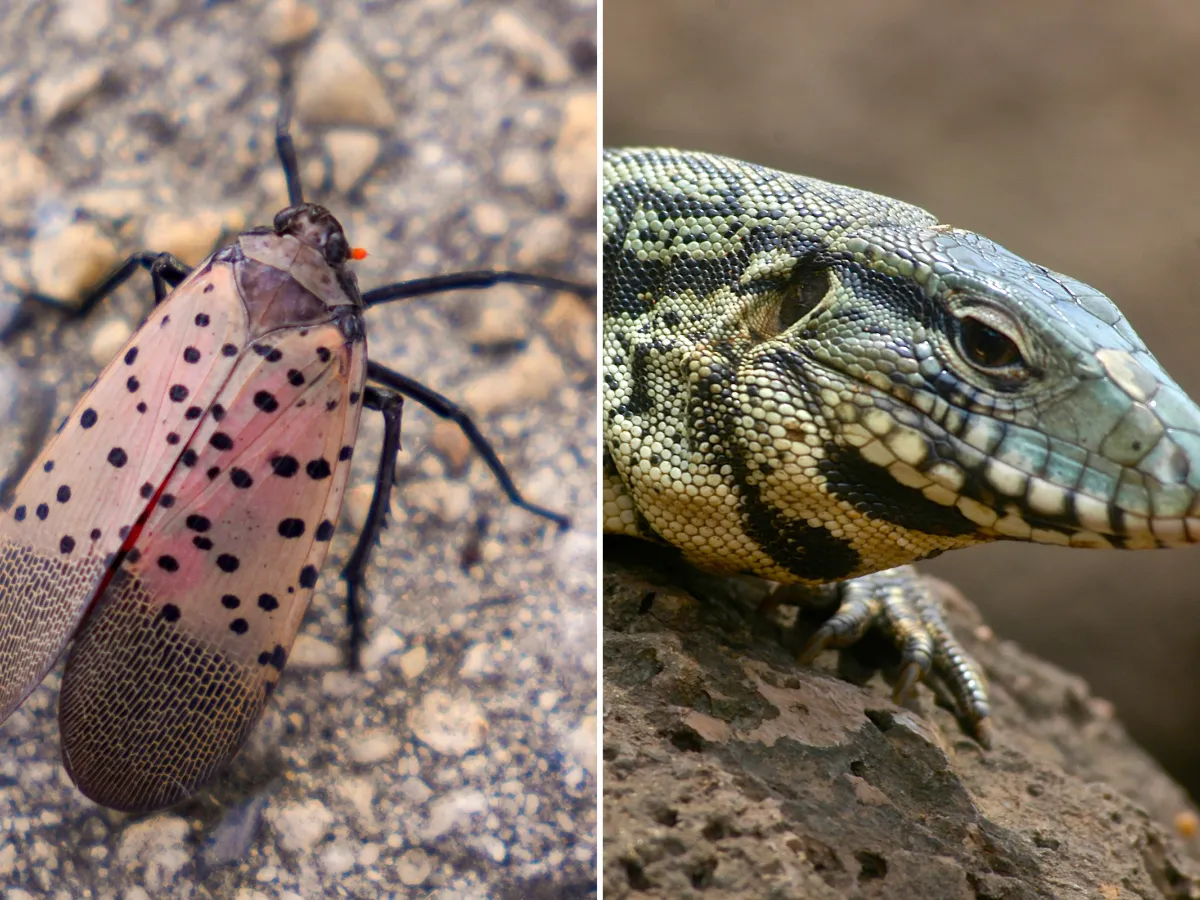
The spotted lanternfly is an invasive insect native to Asia that likely arrived in the U.S. on imported goods and materials and is now established in many states.
It damages crops such as grapes and hardwood trees by producing a sticky sap that promotes mold growth, reducing yields and harming agriculture.
8. Argentine Black And White Tegu
The Argentine black‑and‑white tegu is a large lizard native to South America that likely entered the U.S. through the pet trade or through escapes or intentional captive releases.
It is now present in parts of the Southeast, including Florida and Georgia. Tegus threaten wildlife and small-scale poultry farms by eating the eggs of birds and reptiles. They can also carry salmonella and exotic parasites, meaning there is a potential risk of disease spread.
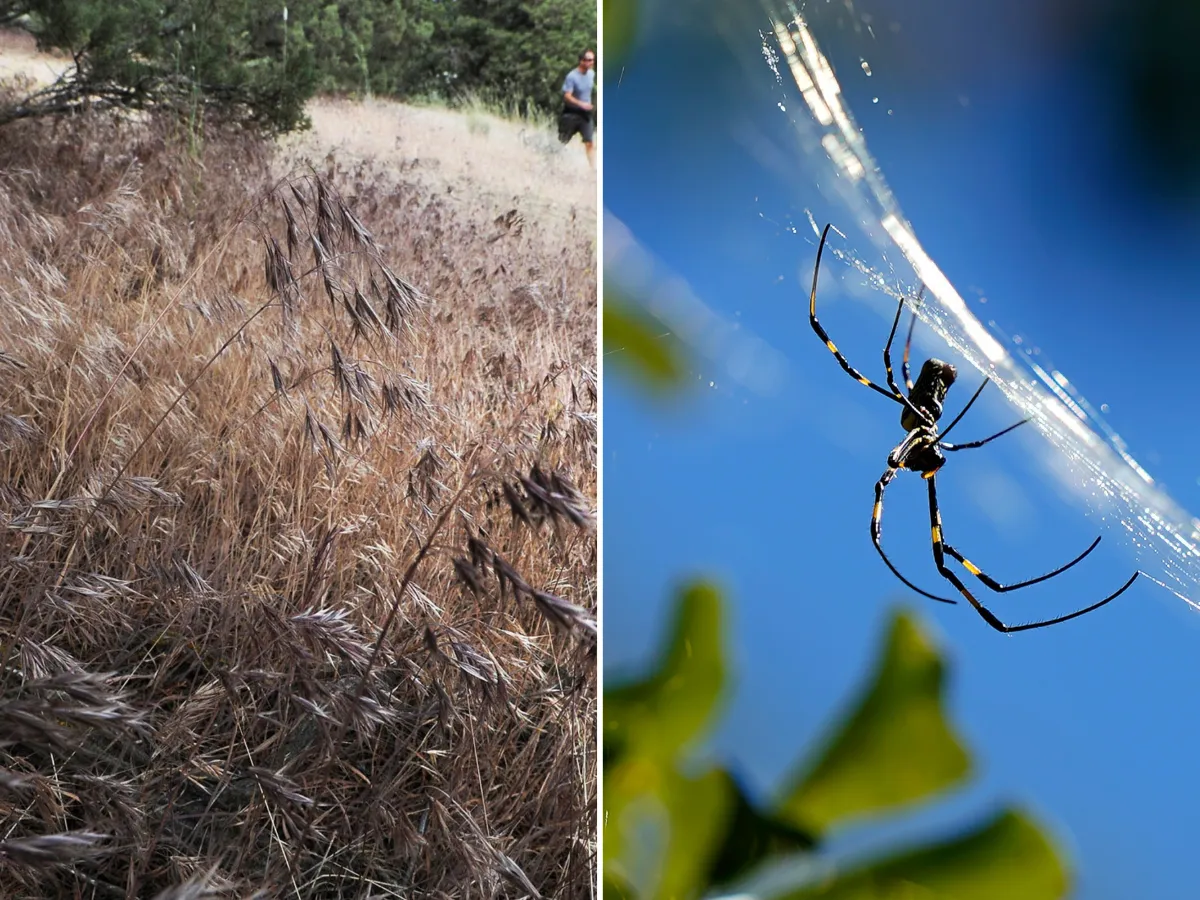
 9. Cheatgrass
Cheatgrass is an invasive grass native to northern Africa, southwest Asia, and much of Europe, that likely came into the U.S. via European settlers’ grains in the 1800s. It has spread widely across the U.S., and is now found in all 50 states.
It is considered harmful because it increases wildfire risk by drying out earlier than native vegetation and creating dense, highly flammable fuel that allows wildfires to spread more easily.
10. Joro Spider
The Joro spider is a large species native to East Asia that likely arrived in the U.S. through international cargo shipments. It has spread in parts of the Southeast and has attracted significant attention due to its size as they can grow as large as the size of a human hand. Though, experts have said they pose little threat to people or pets, and its long-term ecological impact remains uncertain.