
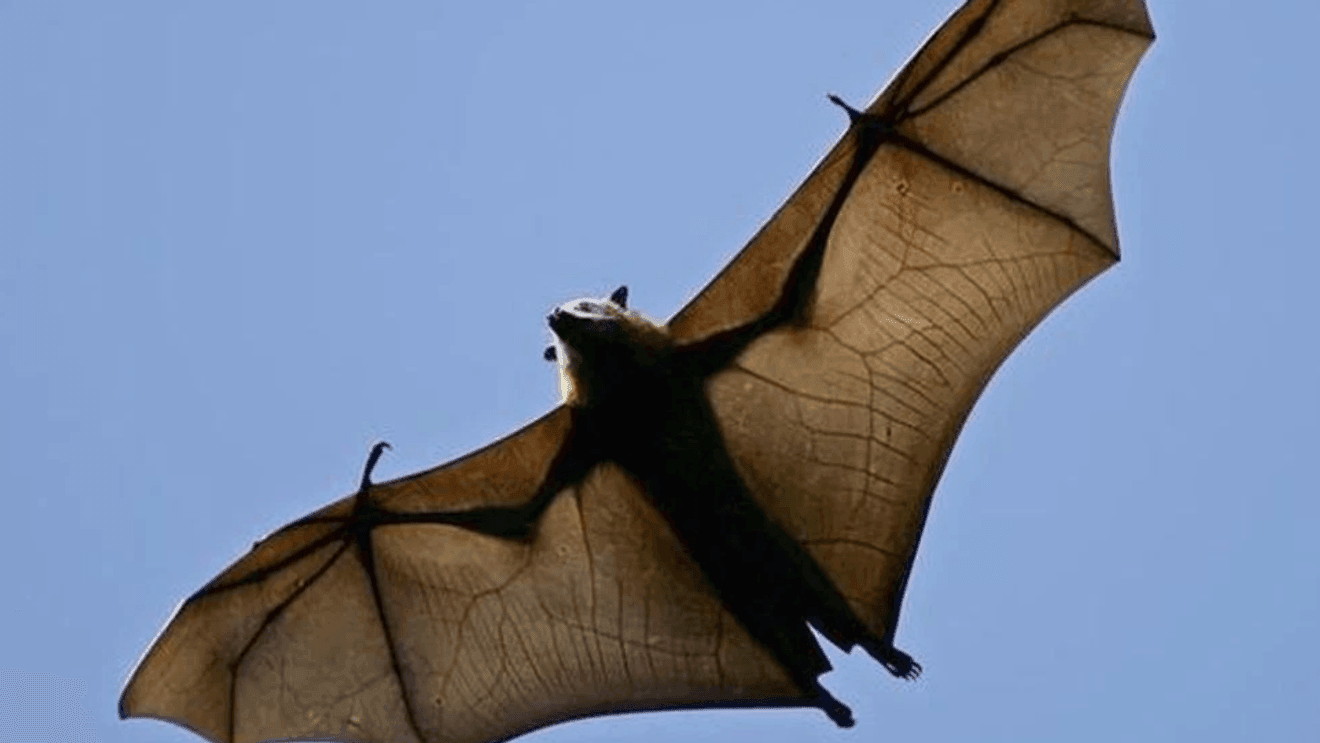
DOUGLAS COUNTY, Ore. — A rabid bat found in Douglas County last month served as a reminder that even when a bat appears sick or injured, it is not possible to tell by sight whether it has rabies and experts say the safest move is to get it professional help.
The case was the first rabid bat reported in Douglas County since 2021. Local wildlife rehabilitator Becky Bass, who cared for the bat after it was discovered, said people should be cautious if they encounter a bat showing signs of illness such as an inability to fly, biting or chewing objects, or making sounds.
“So if you find a bat, really there is nothing that you can look for specifically that will tell you that the bat is or isn’t rabid, all you need to do is make sure you get the bat help,” Bass said. “You can call fish & wildlife and they can hook you up with a rehabilitator in your county.”
Bass also urged people not to panic around bats. “So keep yourself safe, but please don’t be afraid of bats or think they’re trying to fly around and bite you and hurt you, they just want to eat the insects that plague us this time of year,” she said.
KVAL – Wildlife rehabilitator urges caution after Douglas County’s first rabid bat since 2021
Bass shared several safety tips for anyone who encounters a sick or injured wild animal:
If someone is in imminent danger, for example, children handling a wild animal that is biting, call police.Contact the Oregon Department of Fish & Wildlife. Bats cannot legally be moved between counties, and the agency can connect people with a local rehabilitator.Vaccinate pets. Bass said she has repeatedly seen cats catch bats and bring them home, and if a bat is sick, it can pose a real danger to pets.Use gloves when handling sick or injured wildlife.Comment with Bubbles
BE THE FIRST TO COMMENT
If an animal tests positive for rabies, report any exposure and speak with a healthcare professional.