
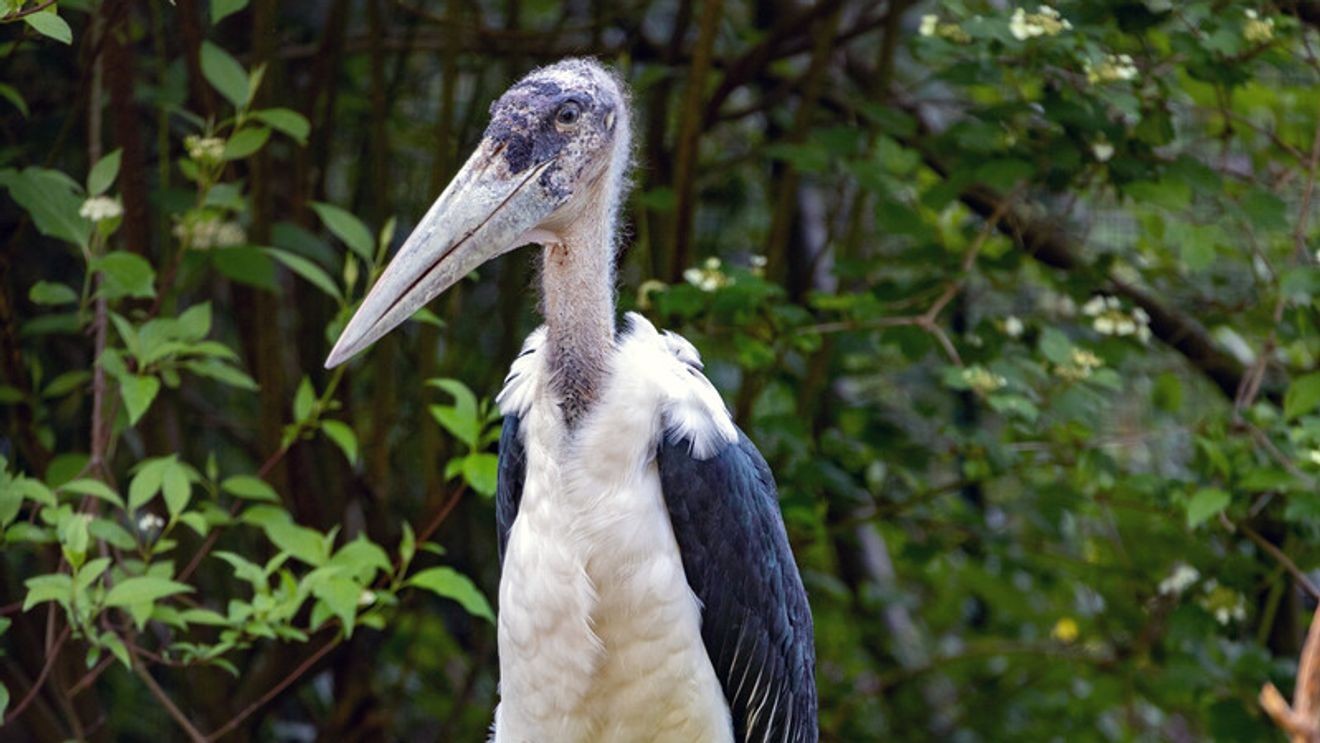
SEATTLE — Woodland Park Zoo has welcomed two marabou storks, towering African birds known for their impressive size and important role as scavengers in the wild, zoo officials said.
The pair, Olaf, an 8-year-old male, and Abigail, a 4-year-old female, are now on public display in the zoo’s Temperate Forest exhibit across from the maned wolves.
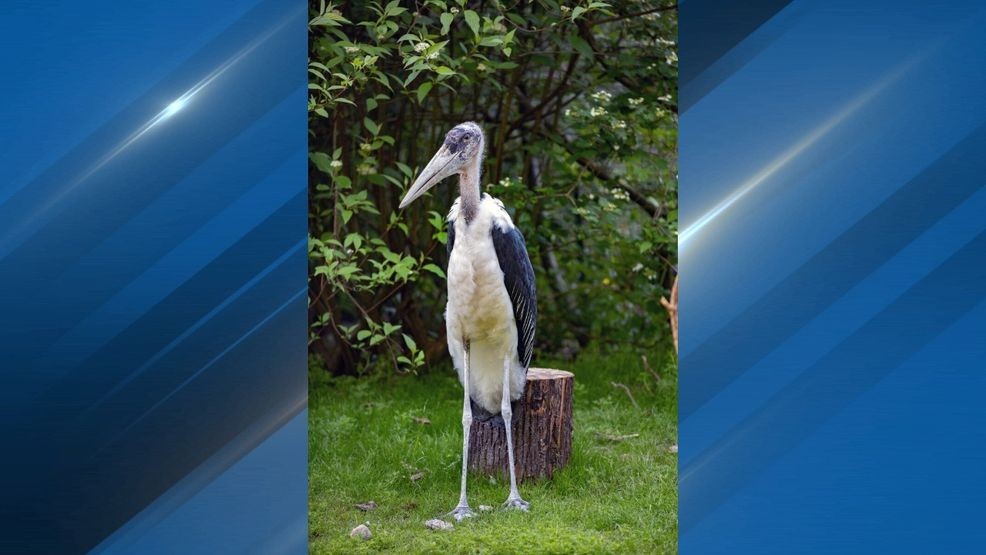
The male, Olaf, 8, and the female, Abigail, 4, are now viewable to the public in the zoo’s Temperate Forest across from the maned wolves; they are sharing the same habitat as the zoo’s other new feathered residents—two critically endangered hooded vultures. (Courtesy Jeremy Dwyer-Lindgren/Woodland Park Zoo)
They share their habitat with two critically endangered hooded vultures, another recent addition to the zoo.
Native to Africa, marabou storks stand between 4 and 5 feet tall and can have a wingspan of up to 10 feet.
The birds are recognizable by their bald heads and necks, a characteristic that helps them stay clean while feeding. Their slate-gray backs and wings contrast with the white plumage on their undersides.
Like vultures, marabou storks are primarily scavengers, feeding on dead animals. Their diet also includes fish, insects, and food scraps left by humans. By quickly consuming animal remains, the birds provide an important ecosystem service that helps reduce the spread of disease.
While marabou storks are not considered a threatened species, habitat loss remains the greatest challenge facing wild populations.
Visitors can view Olaf and Abigail in the Temperate Forest exhibit during regular zoo hours.