
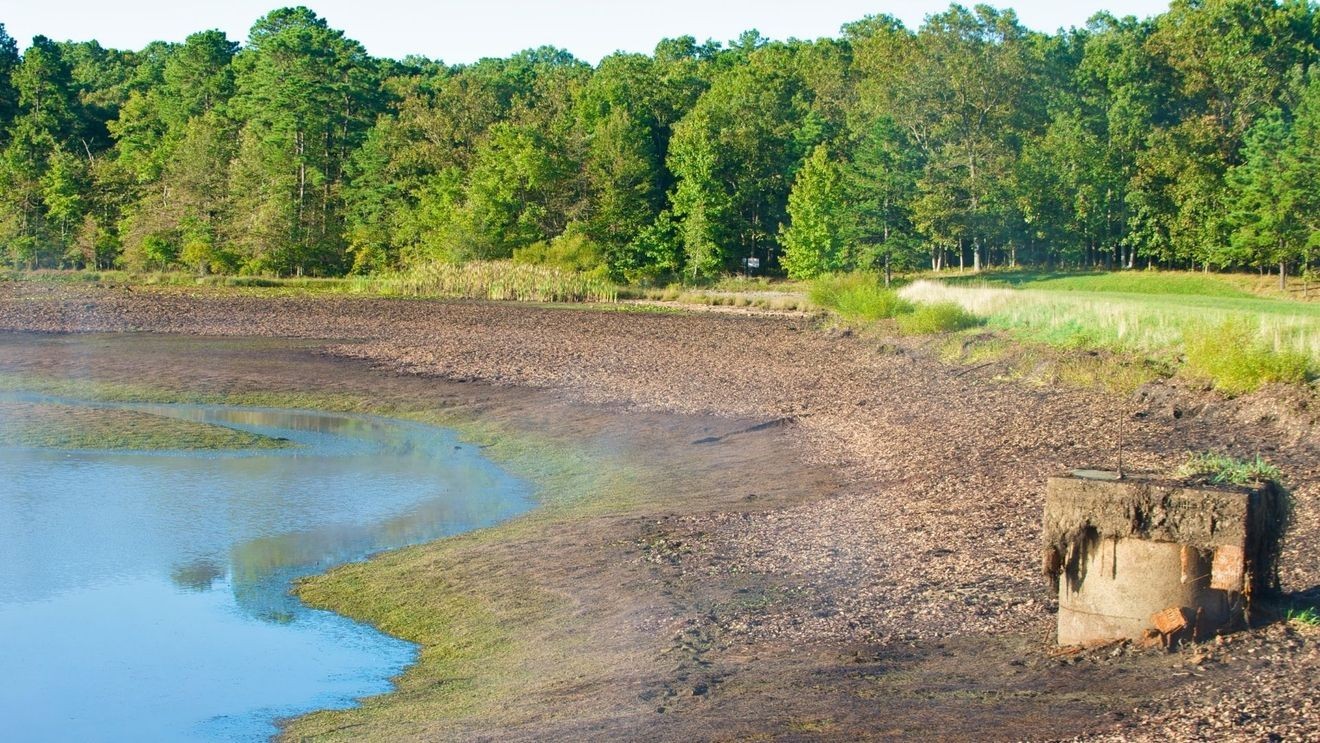
(WPDE) — After months of unusually dry weather across South Carolina, state drought officials have eased drought conditions in 11 counties, citing improved rainfall and water indicators in parts of the state.
The S.C. Drought Response Committee downgraded Anderson, Abbeville, Edgefield, Greenwood, Laurens, Lexington, McCormick, Newberry, Richland, Saluda and Union counties to moderate drought status.
All other counties remain in severe drought status.
The Drought Response Committee is the state’s major drought decision-making entity and determines drought severity as defined by the S.C. Drought Response Act to protect the state’s natural resources.
The act establishes four levels of drought: incipient, moderate, severe and extreme.
The S.C. State Climatology Office reported May rainfall ranged between 2.50 inches and 15.00 inches. Officials said any rainfall was welcome amid the severe and escalating drought, and in some counties it was enough to improve conditions across multiple drought indicators, supporting the committee’s decision to downgrade 11 counties to moderate drought.
The office emphasized the state did not get into the drought in one month and it would take more than one month of normal to above normal rainfall to end the drought.
Officials said the drought has been building since last September, with statewide rainfall ranking as the fifth-driest September-to-May period in 131 years of record.
The statewide rainfall deficit since September 2025 is minus 10.75 inches.
The committee also heard reports from farmers that May rainfall allowed them to resume planting and saved some crops from a complete loss. Still, the S.C. Department of Agriculture said May rainfall was helpful, but the lack of it has taken hold of the agriculture community.
Dryland crops remain behind where they should be in growth and yield potential, and officials said pasture and cropland across the state remain in need of rain.
The department also reported that even hardy weeds such as pigweed are wilting and dying under drought stress and increased temperatures. Officials noted that even in counties where drought status improved, agriculture producers are still seeing direct impacts from the severity of the drought.
The S.C. Forestry Commission reported rain in recent weeks helped reduce the number of wildfires across the state, but the agency still responded to an above-average number of wildfires in May: 149 wildfires that burned more than 777 acres.
The commission also urged anyone conducting outdoor burning to ensure adequate firebreaks and to comply with notification and precautions required under state law.
According to the S.C. Department of Environmental Services, recent rains improved streamflow and groundwater conditions in the western and central Piedmont regions and supported the downgrade from severe to moderate drought for counties in those areas. The agency said streamflow conditions showed some improvement elsewhere.
Environmental Services also reported that as of June 10, 14 water systems are implementing mandatory water restrictions and 33 water systems are requesting voluntary water conservation.
The South Carolina Department of Natural Resources urged recreational boaters to watch for lower water levels in streams, rivers and lakes that could create hazardous conditions and to proceed with extreme caution. The agency said boaters should be alert for hazards created by low water levels, including narrow waterways, shallow water, and exposed stumps and vegetation.