
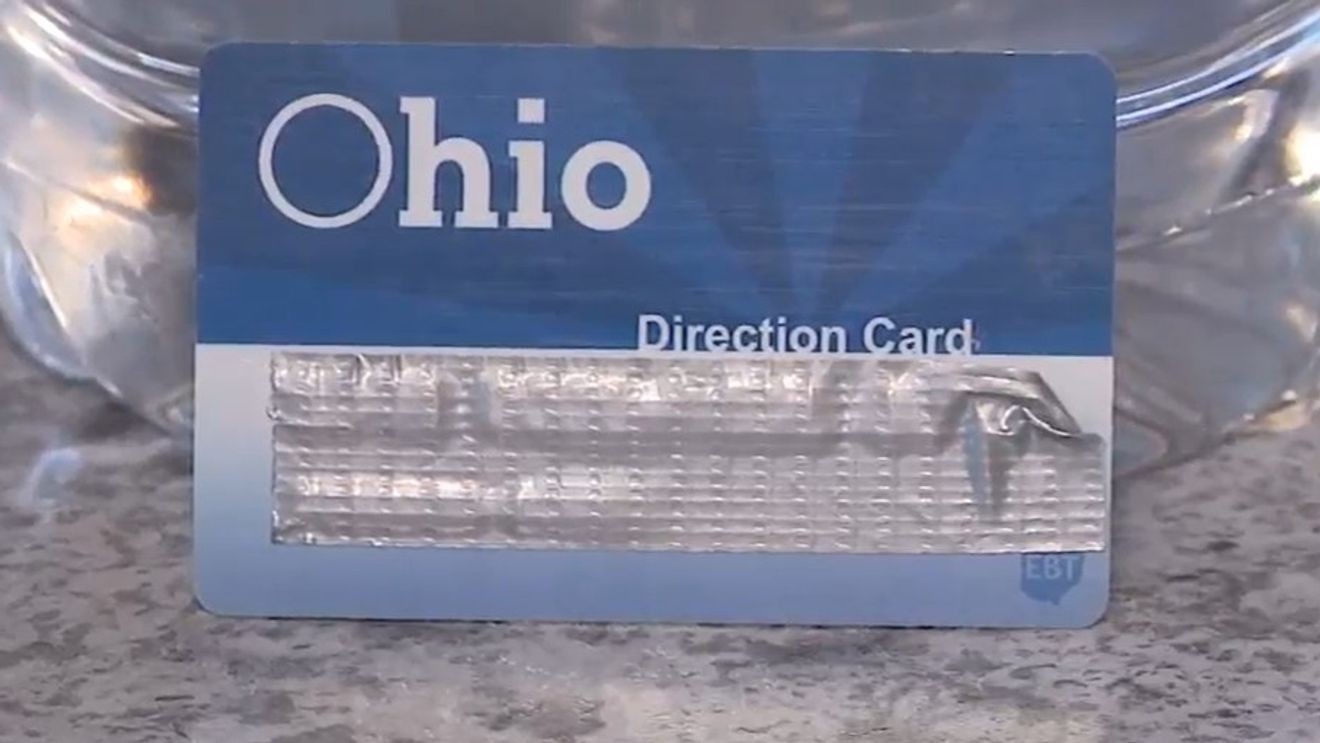
COLUMBUS, Ohio (WSYX) — Ohio lawmakers have approved a bill aimed at preventing theft from Ohioans’ EBT cards, but the final measure also includes new Medicaid verification requirements that critics say could make it harder for some people to access care.
The legislation began as an effort to crack down on EBT card theft after Ohio SNAP recipients reported that benefits were being stolen directly from their cards.
In May 2023, Chillicothe mother Brandie Burks said she was struggling after losing $1,000 in benefits.
“I’m desperately limiting the milk right now. We’re trying to make one gallon a day last,” Burks said at the time.
Burks contacted ABC6 Investigates and said there was no way she could feed her family without the benefits.
“No, not on my own, no,” she said.
In November 2024, Columbus mother of twins Erica McAllister said thieves stole $1,500 from her benefits.
“They said you can’t have this. It’s heartbreaking. Yeah, I cried,” McAllister said while recalling the experience.
Over the past two years, thieves have stolen more than $12 million from Ohio EBT cardholders.
Ohio bill adding chips to EBT cards passes only with new Medicaid verifications, rules (WSYX)
Lawmakers ultimately agreed to upgrade security by adding chips to EBT cards. However, before the bill passed the Ohio House this week, lawmakers added several Medicaid-related provisions.
Supporters argued the changes were needed in response to allegations of widespread Medicaid fraud involving home health care services in Columbus.
During House debate on June 10, Rep. Mike Dovilla, R-Berea, said, “Medicaid must be preserved for the vulnerable and protected from exploitation.”
Under the Enhanced Cybersecurity for SNAP Act, the state would strengthen verification requirements for Medicaid home health care providers, including fingerprint scans, facial recognition and voice identification.
Due to concerns that some recipients could lose access to home health care services under the new restrictions, eligibility requirements for providers would remain unchanged.
Rep. Bride Rose Sweeney, D-Westlake, urged lawmakers to consider the potential consequences of the legislation.
“I really hope we take seriously the serious power that we have, that we all chose to run and get elected,” Sweeney said. “It quite literally can become life or death and I really hope we start acting like it.”
The bill now heads to Gov. Mike DeWine.
The legislation would add security chips to all Ohio EBT cards at a cost of more than $2 million. DeWine is expected to sign the measure into law.