
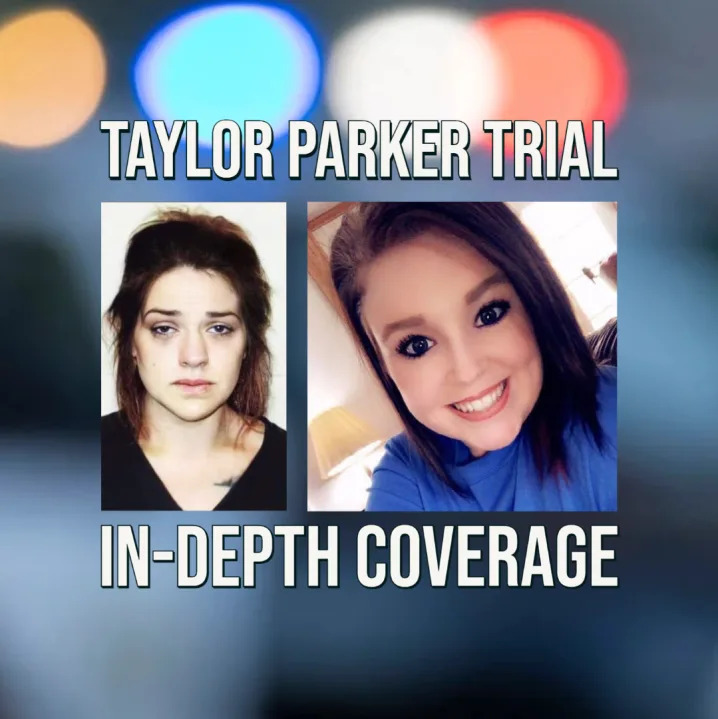
TEXAS (KTAL/KMSS) – Netflix’s new documentary Maternal Instinct has many viewers questioning whether the lines may be drawn too tightly when it comes to balancing public safety concerns and HIPAA laws that protect doctor-patient privacy.
The true crime documentary follows the spiral of Taylor Parker, who was convicted of cruelly stealing a baby from the womb of a woman she had befriended by performing a botched C-section.
You can also watch the Taylor Parker kidnapping story unfold with exclusive information on Beyond The Headlines streaming on KTAL CTV this fall. Sign up for content notifications below.
Thanks for signing up!
Watch for us in your inbox.
Subscribe Now
SIGN UP NOW
Fake pregnancy items, Netflix Taylor Parker film raises red flags to viewers on buying access
Many viewers believe the incident could have potentially been prevented if health care providers had been able to disclose concerns they said they were aware of, including Taylor publicly sharing details on Facebook of her medically impossible pregnancy, as well as concerns raised through phone calls to the clinic from members in the community.
Reacting to the documentary online, one social media user pointed to the hospital’s use of a “Code Pink”, a security protocol commonly used to respond to infant abductions or attempted infant abductions, and questioned whether concerns should have extended beyond internal hospital precautions.
“I fully understand HIPAA laws, but the Dr who performed her hysterectomy or the office manager should have went to the authorities. They had the hospital on high alert for a code pink, but they weren’t alarmed when she was posting pics with a pregnant woman after her due date…”
Another social media user pushed back on those arguments, questioning what legal authority police would have had to intervene based on the information known at the time.
“But what could they go to the police for? Faking a pregnancy isn’t illegal. Posting online about a fake pregnancy isn’t illegal. No one in their right mind would think ‘Pregnancy faker is going to murder someone and cut their baby from the uterus to claim the baby’. No one is going to come to that conclusion. What else could have been done?”
Taylor Parker’s local clinic featured in the documentary said staff were aware of allegations that Parker had been going around town falsely claiming to be pregnant, but said their ability to act or disclose information was limited.
“Go with your gut,” one employee recalled telling a friend of Taylor’s who called with concerns, saying that was all she felt able to share.
What are HIPAA’s Emergency Exceptions
While HIPAA is known for protecting patient privacy, the law does allow health care providers to share medical information in some situations.
Under HIPAA, providers can disclose private health information (PHI) if they believe doing so could help prevent a serious and immediate threat to someone’s health or safety. But the law does not require them to make that disclosure.
Federal guidance also says that concerns or suspicions alone are not necessarily enough to justify sharing someone’s reproductive health information with law enforcement.
The Privacy Rule permits but does not require a covered entity, consistent with applicable law and standards of ethical conduct, to disclose PHI if the covered entity, in good faith, believes the use or disclosure is necessary to prevent or lessen a serious and imminent threat to the health or safety of a person or the public, and the disclosure is to a person or persons who are reasonably able to prevent or lessen the threat. According to major professional societies, …it would be inconsistent with professional standards of ethical conduct to make such a disclosure of PHI to law enforcement or others regarding an individual’s interest, intent, or prior experience with reproductive health care.
Essentially, HIPAA allows health care providers to share private medical information without permission in some cases, including with law enforcement, but those exceptions are narrowly limited to protect patient privacy.
That distinction has become part of the debate surrounding Maternal Instinct, with some viewers questioning whether more could have been done and others arguing the known information may not have met the standard for intervention.
You can read more about the rules and exceptions to HIPAA online from the United States Health and Human Services.
Copyright 2026 Nexstar Media, Inc. All rights reserved. This material may not be published, broadcast, rewritten, or redistributed.
For the latest news, weather, sports, and streaming video, head to KTALnews.com.