
Juneteenth is not only a celebration of freedom. It is a warning about what happens when freedom is announced before it is enforced.
On Jan. 1, 1863, the Emancipation Proclamation declared enslaved people in the rebelling Confederate states to be free. But in Texas, many enslaved Black people remained in bondage for two and a half more years. They were legally promised freedom, but they did not experience that freedom until Union troops arrived in Galveston and General Gordon Granger issued General Order No. 3 on June 19, 1865.
That is the lesson of Juneteenth: a right without enforcement is only a rumor of freedom.
This lesson matters today because America is again weakening the machinery that protects Black citizenship.
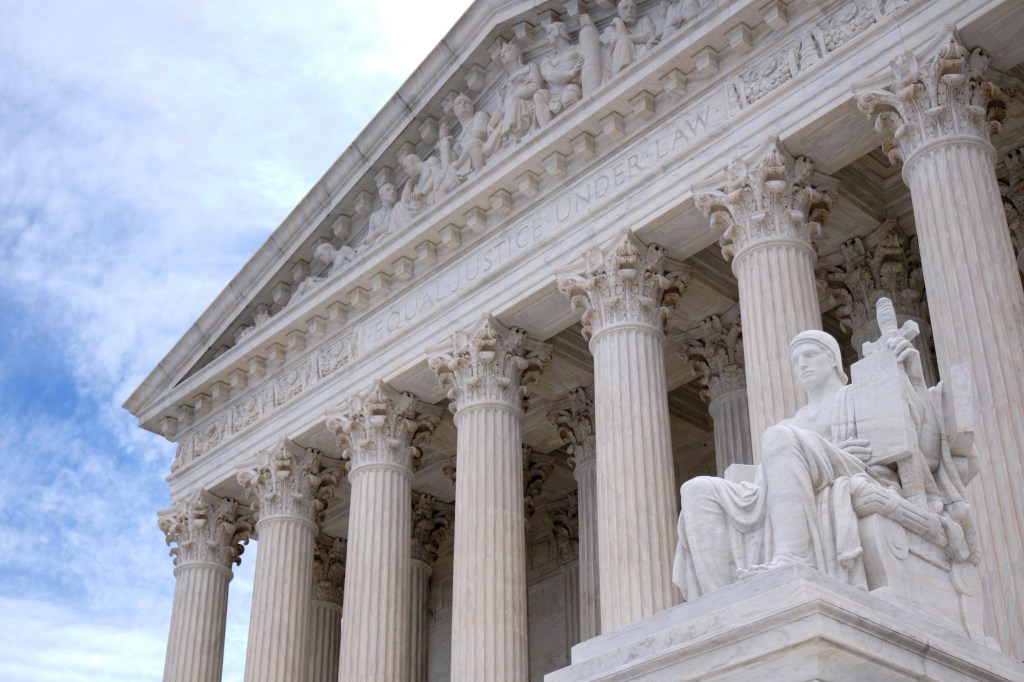
The Supreme Court’s decision in Shelby County v. Holder did not erase the Voting Rights Act entirely, but it badly damaged one of its most powerful enforcement tools. Before that decision, certain states and local jurisdictions with long histories of racial discrimination in voting had to receive federal approval before changing their voting laws. This process, known as preclearance, was based on history. It recognized that voting discrimination was often subtle, technical, local, and fast-moving. It also recognized that once an election is held under discriminatory rules, the damage may be impossible to fully repair.
Under preclearance, covered jurisdictions had to show that proposed voting changes would not discriminate before those changes went into effect. After Shelby County, many of those jurisdictions can change voting rules first. If the change is discriminatory, voters must challenge it later in court.
But “later” is a dangerous word in democracy.
An election happens on a fixed date. If a polling place is closed, if a district map dilutes Black voting strength, if a voter ID rule burdens certain communities, or if a change in election procedure suppresses participation, the harm occurs immediately. A lawsuit may take months or years. By the time a court rules, the election may already be over. The representatives may already be seated. The budgets may already be passed. The power may already have shifted.
That is why the issue is not simply whether voting rights still exist in theory. Of course they do. The deeper question is whether they are protected in time to matter. A ballot denied after an election cannot be restored in any meaningful way. A discriminatory map corrected years later may still have shaped policy, representation, and public life during the years it was in force. Delayed justice is not neutral. Delay itself becomes part of the injury.
Juneteenth teaches this same truth. Freedom had been proclaimed in 1863, but for those still enslaved in Texas, that proclamation did not become real until power arrived to enforce it. Words did not free them by themselves. Paper did not free them by itself. A presidential order did not free them by itself. Freedom required law, but it also required troops, authority, public notice, and the capacity to make slaveholders obey.
Even then, emancipation was incomplete. The Emancipation Proclamation was a monumental act, but it did not abolish slavery everywhere in the United States. It applied to enslaved people in states then in rebellion against the Union. Slavery was not constitutionally abolished throughout the nation until the Thirteenth Amendment was ratified later in 1865. That distinction matters because it reinforces the larger point: freedom came in stages, and each stage required enforcement.
This has always been the pattern in American racial history. Emancipation required Union victory. Reconstruction required federal protection. The Fourteenth and Fifteenth Amendments required enforcement acts. Black citizenship required courts, marshals, troops, legislation, and organizing. Whenever enforcement weakened, rights became vulnerable. Whenever the federal government retreated, local resistance found room to operate.
That is why Juneteenth should not be reduced to symbolism, food, flags, speeches, or a day off from work. It is a holiday about delayed freedom, resisted freedom, and enforced freedom. It reminds us that America has often made promises to Black people before building the machinery necessary to honor those promises. Black people have been declared free and still trapped. Declared equal and still excluded. Declared citizens and still denied political power.
The weakening of voting rights protections belongs in this longer history. When the law shifts from preventing discrimination to challenging it after the fact, it places the burden back on the people most likely to be harmed. It asks Black voters, civil rights groups, churches, community organizations, and under-resourced communities to discover the damage, collect the evidence, raise the money, hire the lawyers, survive the appeals, and wait for relief.
That is not full protection. That is delayed protection. And delayed protection has never been enough.
Juneteenth forces us to ask a hard question: what good is a right if it arrives too late? In Texas, the delay was measured in years. In voting rights, the delay may be measured in election cycles. But the moral problem is the same. Rights that arrive after the damage has been done are rights partially denied.
This is why Juneteenth speaks so directly to the present. It reminds us that America has often confused the declaration of rights with the delivery of rights. It warns us that freedom cannot survive on symbolism alone. It demands institutions, enforcement, vigilance, and power.
A democracy that tells Black citizens to wait until after the harm is done to prove they were harmed has forgotten the lesson of Juneteenth. A nation that celebrates emancipation while weakening voting protections is honoring freedom with one hand and loosening its safeguards with the other.
Juneteenth should make us suspicious of every freedom that is announced but not enforced, every right that exists in theory but disappears in practice, and every democracy that praises equality while removing the tools that make equality real.
The unfinished work of Juneteenth is not only remembrance. It is enforcement. It asks whether America will merely announce freedom, or whether it will protect the laws, institutions, and democratic rights necessary to make freedom real.
Ed Gaskin is Executive Director of Greater Grove Hall Main Streets and founder of Sunday Celebrations