
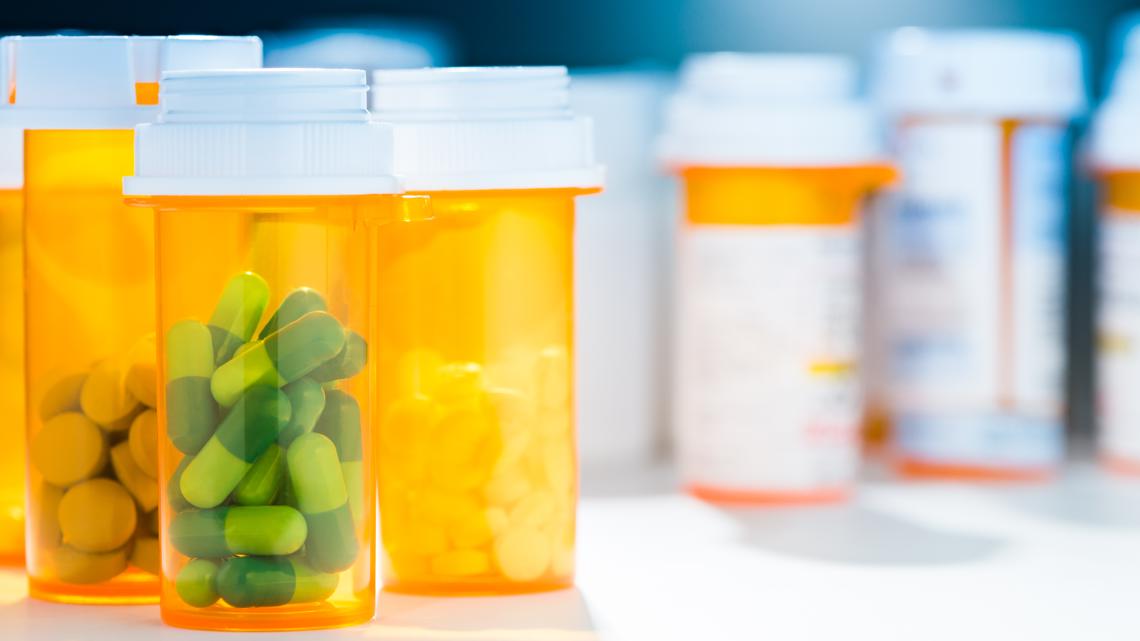
The recall affects duloxetine delayed-release capsules — a generic form of the brand-name drug Cymbalta.
A New Jersey pharmaceutical company is recalling nearly 375,000 bottles of a common antidepressant after a potentially cancer-linked chemical was found in the pills at levels higher than what the FDA considers acceptable.
Breckenridge Pharmaceuticals is pulling both the 30mg and 60mg versions of duloxetine delayed-release capsules — a generic form of the brand-name drug Cymbalta — from shelves nationwide. The recalls cover multiple lots across both doses and remain ongoing.
Duloxetine is an SNRI used to treat depression, anxiety and certain types of chronic pain.
At issue is a chemical called N-nitroso-duloxetine, part of a family of compounds known as nitrosamines. It’s the same type of contaminant that triggered major recalls of blood pressure medications and heartburn drugs like Zantac in recent years. Nitrosamines are classified as probable human carcinogens, meaning repeated exposure above safe levels could raise your risk of cancer over time.
A Class II recall designation indicates that the product “may cause temporary or medically reversible adverse health consequences,” according to the FDA. The company initiated the recall on June 4.
Patients who have been prescribed duloxetine should not stop taking their medication without first consulting their doctor, as abruptly discontinuing the drug can cause withdrawal symptoms.
Healthcare providers and pharmacists are encouraged to check their inventory for the affected lot number and follow FDA guidance on returning or disposing of recalled product. The pills were manufactured in Spain by Towa Pharmaceutical Europe and distributed by Breckenridge.
Recalled medications
30mg capsules (NDC 51991-747-10): Lot 241180C, expiring April 2027. Packaged in 1,000-capsule bottles. About 14,729 bottles affected.60mg capsules: Packaged in both 90-count (NDC 51991-748-90) and 1,000-count (NDC 51991-748-10) bottles. Multiple lots are affected, with expiration dates ranging from November 2026 through May 2027. About 359,676 bottles affected.