
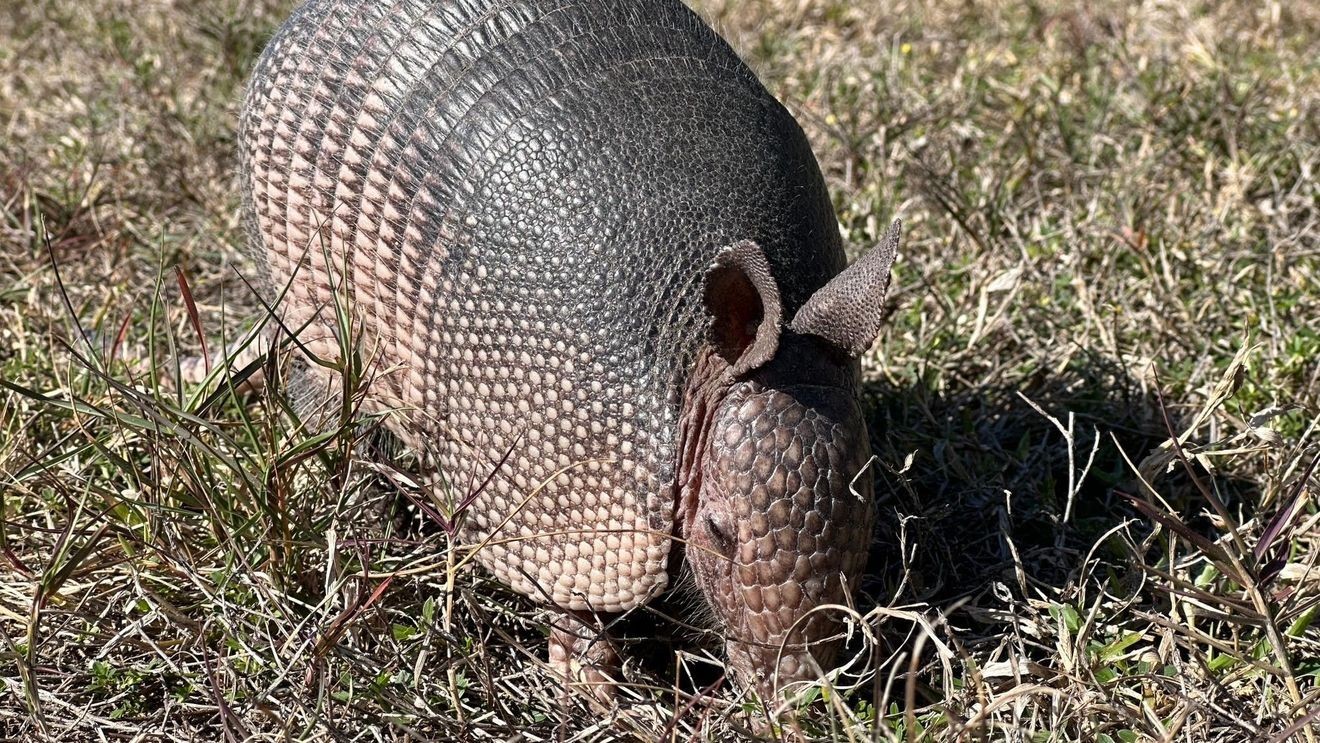
HENDERSON COUNTY, N.C. (WLOS) — Armadillos are becoming increasingly more common in western North Carolina as they continue to move from Central America into the Tar Heel State.
Steve Pettis, NC Cooperative Extension Agent for Henderson County, wrote a news release in 2021, highlighting how the nocturnal animal, considered a pest, began appearing in North Carolina.
OFFICIALS URGE CAUTION AS INVASIVE ARMADILLOS MOVE INTO WESTERN NC
Pettis says armadillos made their way north, eventually reaching North Carolina in 2008, where he believes sightings will increase within the next couple of years.
“What happens with any creatures, especially invasive creatures, whether it’s a plant or an animal, is you start up with a small number of them and the population will slowly build and then eventually, once you reach critical mass of a population, then the population skyrockets,” Pettis said.
Pettis says North Carolina is in the build-up phase of that skyrocket.
According to the North Carolina Wildlife Commission’s Armadillo Range Expansion 2007-2024 report, the most confirmed sightings in the state have been in western North Carolina.
The report also determined that populations have been established in eight western North Carolina counties, those being Buncombe, Cherokee, Clay, Henderson, Jackson, Macon, Swain and Transylvania. The populations were confirmed through observations of multiple armadillos in groups of two to six, which were seen together.
“So, armadillos, their life cycle is they dig a big hole in the ground,” Pettis said. “They go down, they can dig a tunnel about 30 feet and there can be side tunnels that go off to the side, even down. And they like to do it next to buildings. Buildings, concrete, they’ll follow pipes,” Pettis said.
Resident in Bat Cave, Philip Lyda, spoke with News 13 saying that he’s seen what he thinks is damage in his yard from an armadillo he has caught on camera.
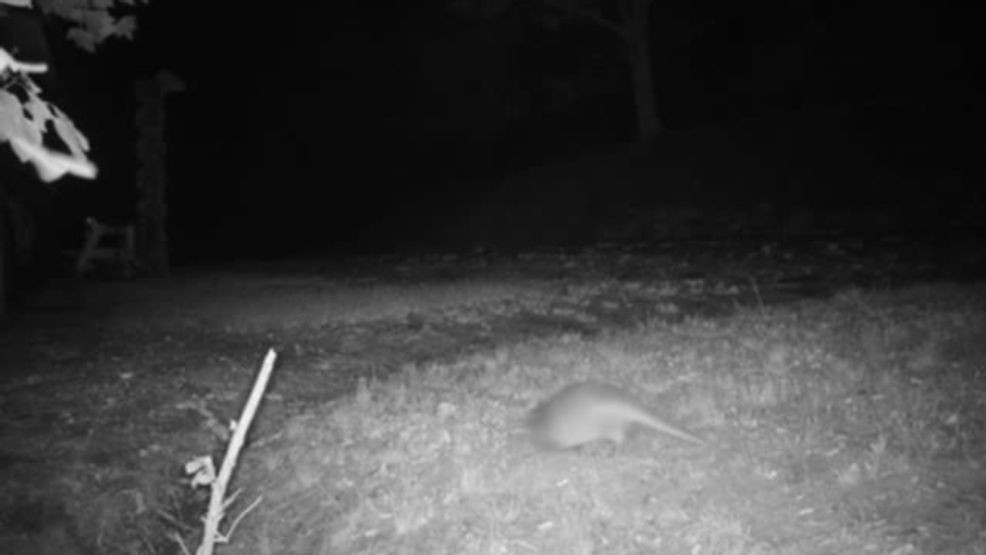
Resident in Bat Cave, Philip Lyda, spoke with News 13 saying that he’s seen what he thinks is damage in his yard from an armadillo he has caught on camera. (Photo: Philip Lyda)
The digging next to buildings, concrete and pipes causes damage by undermining foundations. Armadillos disrupt soil by using their front legs and digging in the ground.
“If it were just ornamental plants that wouldn’t be that concerning, but here in western North Carolina, we have this really sensitive ecosystem, especially the cove ecosystem that you find kind of sandwiched in the mountain coves, where either these protected areas where you have these very delicate plants that require undisturbed leaf litter to reproduce and do their thing,” Pettis said.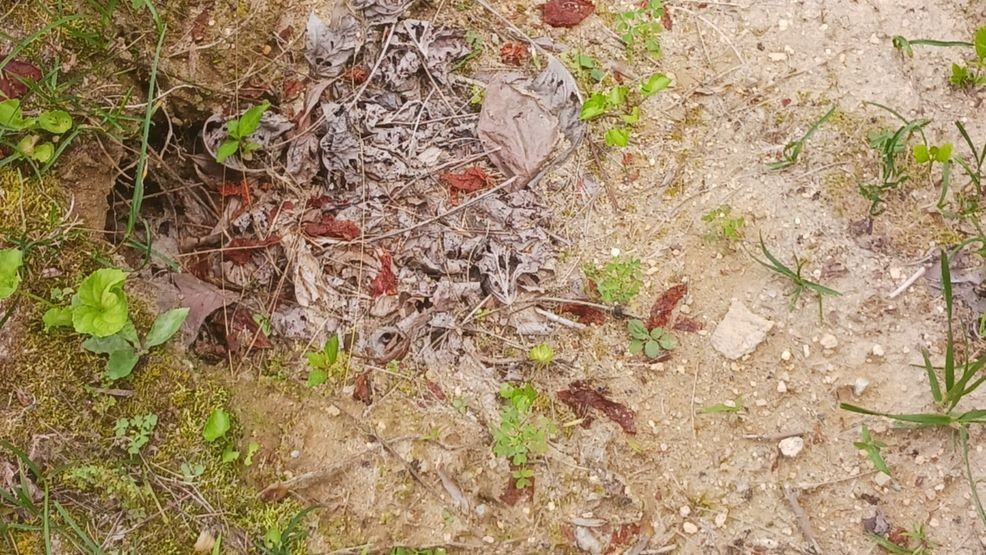
Resident in Bat Cave, Philip Lyda, spoke with News 13 saying that he’s seen what he thinks is damage in his yard from an armadillo he has caught on camera. (Photo: Philip Lyda)
Pettis says that the impact on native organisms is only one of his concerns, the other being the spread of ticks.
“All wildlife gets covered in ticks. They walk around and basically dispense ticks throughout the landscape and if you’ve been keeping up with diseases that come from ticks, Rocky Mountain spotted fever, Lyme disease and alpha-gal, the one that makes you allergic to red meat. That to me would be as big a concern as their destruction of our native sensitive ecosystems,” Pettis said.
Although leprosy is often associated with armadillos, Pettis says it’s a rare instance of it spreading to humans, with only two reported cases of humans contracting it from wild armadillos.
“Most people for now are probably not gonna have a problem with them, it will be years to come when they get to be in populations that become concerning,” Pettis said.
IF YOU SEE AN ARMADILLO IN NORTH CAROLINA, WILDLIFE OFFICIALS WANT TO HEAR FROM YOU
As previously reported, officials advise people to keep their distance if they encounter an armadillo in the wild, but if you have to touch one, wear gloves for safety.
The North Carolina Wildlife Resources Commissions also asks that anyone who encounters armadillos, they report it through the NC Armadillo Project by uploading and sharing your photos or downloading the iNaturalist app.