
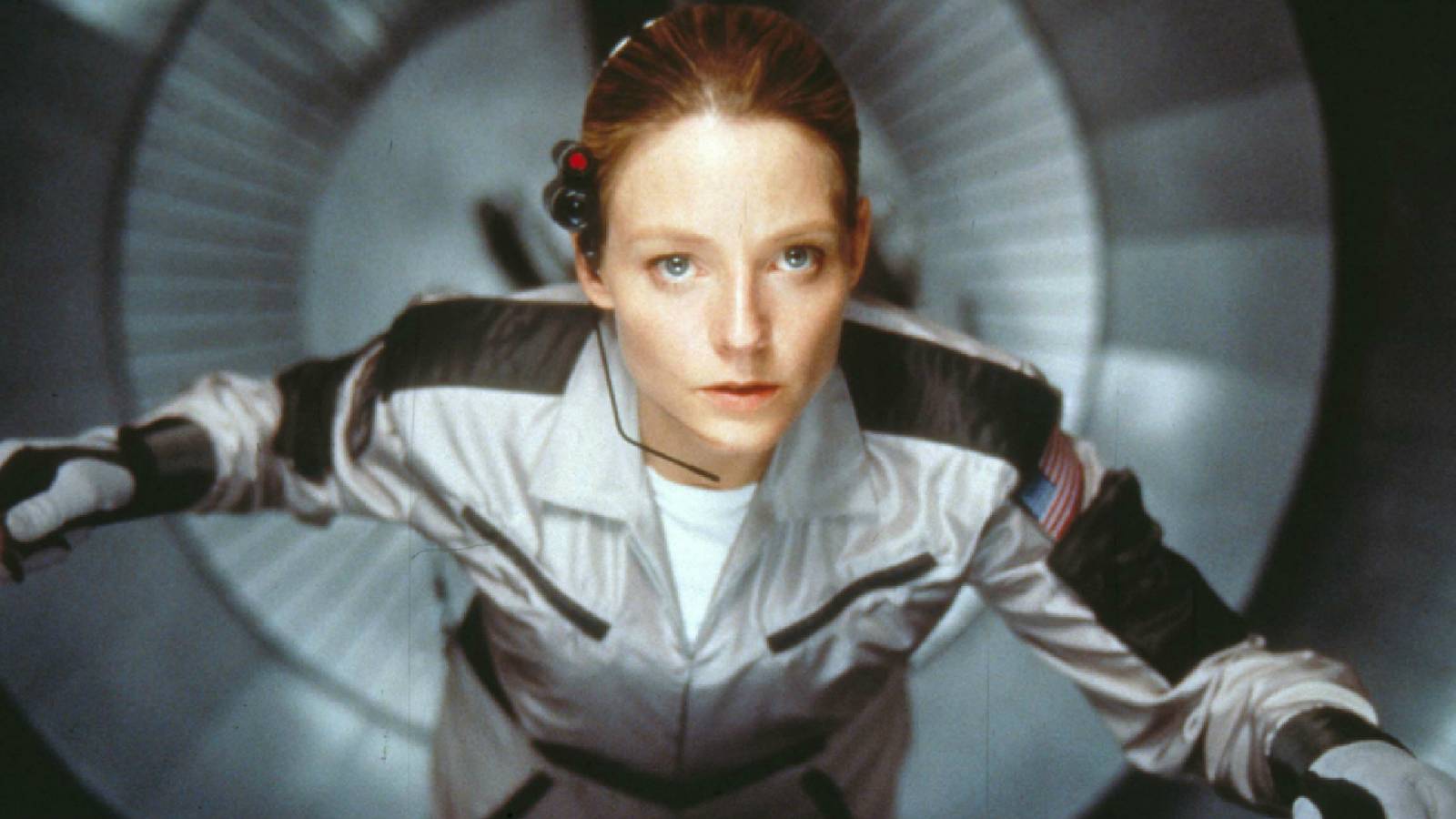
The sci-fi genre is filled with diverse films, from grounded, minimalistic ones to fantastical spectacles like Dune or Star Wars, but the hard sci-fi sub-genre prioritizes real science and plausibility. These are stories that ask serious questions about humanity’s future, our relationship with technology, and our place in the universe. Whether exploring the challenges of surviving on Mars or the implications of genetic engineering, the best hard sci-fi films challenge audiences intellectually while still delivering compelling human drama.
This list takes a look at some of the great hard sci-fi movies that have been released throughout the years. The films on this list fully commit to their fascinating concepts and follow their ideas to the logical and thought-provoking conclusion. From the groundbreaking 2001: A Space Odyssey to a fairly unknown Swedish-Danish production, the films on this list emphasize the science in science fiction, while also delivering ambitious and entertaining narratives.
‘Moon’ (2009)
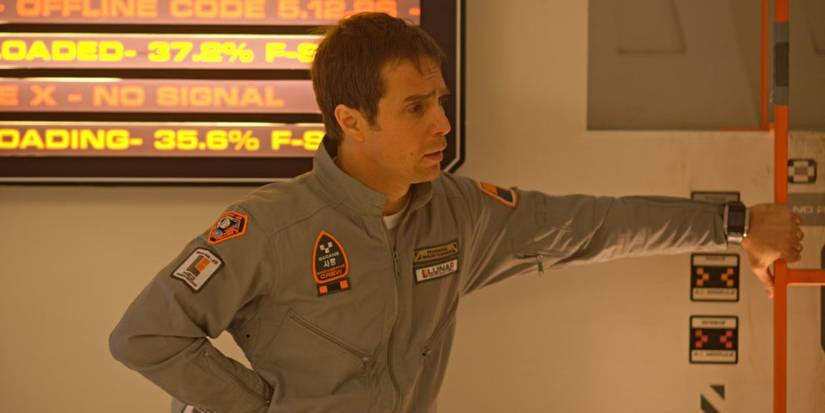
Sam Rockwell as Sam Bell leaning and gripping a small red mini ladder in a white and gray room and looking to the right in Moon.Image via Sony Pictures Classics
Set in the near future, Moon follows Sam Bell (Sam Rockwell), a lone worker nearing the end of a three-year contract at a lunar mining facility. With only an artificial intelligence companion named GERTY for company, Sam spends his days harvesting helium-3 while counting down the weeks until he can return home. However, after an accident outside the base, he begins to uncover disturbing truths about his mission.
The brilliance of Moon lies in how much it accomplishes with so little. Duncan Jones creates a believable futuristic world without relying on extravagant effects or endless exposition, focusing instead on character and atmosphere. The film raises fascinating questions about identity, humanity, and corporate ethics while never losing sight of its emotional core. Its idea about mining on the moon is very plausible from a corporate perspective, becoming a quietly thrilling sci-fi film and a warning for the future. In the end, Moon achieves the rare feat of being intellectually stimulating, emotionally resonant, and structurally airtight all at once.
‘Aniara’ (2018)
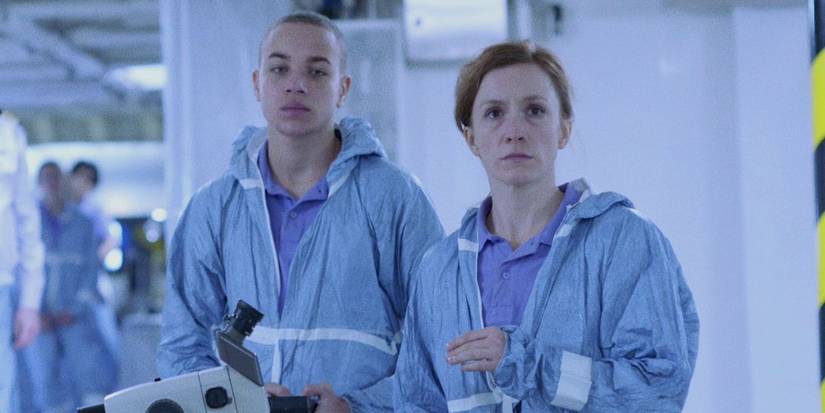
Emelie Garbers in AniaraImage via Magnolia Pictures
Aniara begins as a routine deep-space relocation journey, where thousands of passengers are being transported from an overpopulated Earth to Mars. When a navigation error sends the ship off course and permanently out of reach of any star system, the vessel becomes a sealed, drifting micro-civilization with no hope of rescue or return. At first, the passengers attempt to maintain order, but as years pass, the ship slowly turns into a survival nightmare.
Hailing from Sweden, Aniara is probably the most underseen film on this list, but it is still a powerful hard sci-fi film. The film follows its premise to its logical emotional and philosophical extremes. There is no external rescue, no convenient intervention, and no narrative relief from the physics of its situation. Instead, it explores what happens when civilization is removed from all context except survival in a void that will never end. Its scientific grounding in space travel becomes a vehicle for existential horror that feels disturbingly plausible. If you think Passengers is too tame, Aniara amps up the stakes and becomes its darker sibling.
‘Gattaca’ (1997)

Irene Cassini (Uma Thurman) and Vincent Freeman (Ethan Hawke) slowly start to bond in ‘Gattaca’.Image via Columbia Pictures
Set in a future where human life is governed by genetic engineering, Gattaca follows Vincent Freeman (Ethan Hawke), who is born naturally, making him “in-valid” in a world that prefers genetic perfection. Despite being labeled inferior, he dreams of traveling into space and assumes the identity of a genetically superior but disabled man to gain entry into the prestigious Gattaca Aerospace Corporation.
The science in Gattaca is not speculative in a flashy way, but grounded in realistic extensions of genetic screening and bioengineering. The film’s world feels disturbingly plausible, which gives its social commentary real weight. Ethan Hawke’s performance anchors the emotional core, but its real strength is its restraint in presenting these ideas, trusting the concept to speak for itself. Gattaca makes us ponder: what does it mean to live in a place where everything has already been decided? In some sense, it speaks to the current world’s situation that prefers the rich and privileged.
‘The Martian’ (2015)
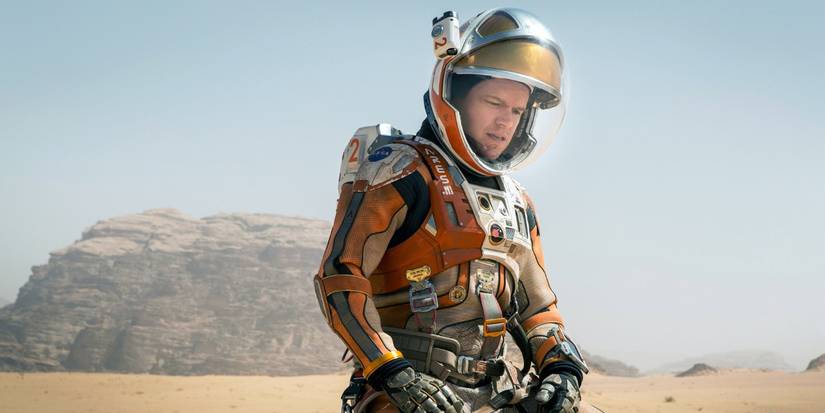
Mark Watney wearing his spacesuit and kneeling on Mars’ dusty surface in The MartianImage via 20th Century Studios
The Martian follows astronaut Mark Watney (Matt Damon), who is accidentally left behind on Mars after his crew believes he has died in a storm. Stranded alone on a hostile planet with limited supplies, Watney must use his scientific training to survive by growing food, generating water, and maintaining communication with Earth. Meanwhile, NASA and an international team of scientists work to track him down and develop plans to bring him home.
The Martian is a deceptive hard sci-fi film because it’s just so entertaining and crowd-pleasing. Most of the problems are solved with grounded and real science. Every obstacle Watney faces, whether it’s food production, oxygen management, or communication, is treated as an engineering challenge rather than movie magic. The tone remains surprisingly optimistic, but never at the expense of realism. Even the larger rescue operation is driven by orbital mechanics and logistics rather than miraculous breakthroughs. The Martian is one of the rare sci-fi films that excels in scientific accuracy.
Collider Exclusive · Sci-Fi Personality Quiz
Which Sci-Fi Hero Are You Most Like?
Paul Atreides · Captain Kirk · Princess Leia · Ellen Ripley · Max Rockatansky
Five iconic heroes. Five completely different ways of facing an impossible universe. One of them shares your instincts, your values, and your particular way of refusing to back down. Eight questions will tell you which one.
🏜️Paul Atreides
🖖Capt. Kirk
✊Princess Leia
🔦Ellen Ripley
🔥Max Rockatansky
FIND YOUR HERO →
01
How do you lead when the stakes couldn’t be higher?
The way you lead under pressure is the most honest thing about you.
AI absorb everything — every variable, every pattern — and move only when I know the path forward.
BI read the room, make the call, and own the consequences. Hesitation costs more than mistakes.
CI rally people. A cause needs a voice, and I refuse to let fear be louder than conviction.
DI assess the threat, establish what needs doing, and get it done without waiting for permission.
EI don’t lead. I act. Others can follow or not — I’m already moving.
NEXT QUESTION →
02
What is your greatest strength in a crisis?
The quality that keeps you alive when everything else fails.
APrescience — the ability to see further ahead than anyone else and plan accordingly.
BImprovisation — I’m at my best when the plan falls apart and I have to invent a new one.
CConviction — I know what I’m fighting for, and that certainty doesn’t waver under fire.
DComposure — I stay functional when everyone around me is falling apart. Panic is a luxury.
EEndurance — I outlast things. I take the hit and keep moving long after others have stopped.
NEXT QUESTION →
03
What is the thing you’d sacrifice everything else for?
Your deepest motivation is your truest compass.
AThe survival and dignity of my people — even if I have to become something frightening to ensure it.
BThe safety of my crew — every single one of them. No one gets left behind.
CFreedom — for my people, for every world still crushed under the weight of an empire.
DThe truth — what actually happened, what’s actually out there, whether anyone believes me or not.
EThe one person — or the one memory — that still makes any of this worth surviving for.
NEXT QUESTION →
04
How do you relate to the people around you?
Who you are to others under pressure is who you really are.
AWith intensity and distance — I care deeply, but the weight I carry makes closeness complicated.
BWith warmth and irreverence — I take the mission seriously, not myself.
CWith directness and trust — I say what I mean, and I expect the people I work with to rise to it.
DWith professional care but clear limits — I’ll protect you, but I won’t pretend we’re family.
EWith wariness that slowly becomes loyalty — I don’t trust easily, but when I do, it holds.
NEXT QUESTION →
05
You’re facing a threat that no one else believes is real. What do you do?
How you respond when you’re the only one who sees it defines everything.
APrepare in silence. If they won’t listen, I’ll be ready when they finally have to.
BKeep pushing until someone listens — and if no one does, handle it myself.
CBuild the case, find the allies, and make the threat impossible to ignore.
DDocument everything. The truth matters even if no one believes it yet.
EStop trying to convince anyone. Survive it. That’s the only argument that counts.
NEXT QUESTION →
06
What has your heroism cost you personally?
Every hero pays. The question is what — and whether they’d pay it again.
AMy innocence — I’ve seen what I’m capable of, and I can’t unsee it.
BPeople I loved — the command chair has a view, but it’s a lonely one.
CA normal life — I gave up everything ordinary the moment I chose the cause.
DMy sense of safety — I know exactly what’s out there now, and I can’t pretend otherwise.
EAlmost everything — and I’m still not sure what I’m carrying it all for. But I keep going.
NEXT QUESTION →
07
How do you feel about the rules of the world you’re in?
Every hero has a relationship with the system. What’s yours?
AI understand them deeply — and I know exactly which ones must be broken, and why.
BI respect the spirit of them and bend the letter when the situation demands it.
CThe system is the problem. I’m not here to work within it — I’m here to dismantle it.
DI follow protocol until protocol stops being useful. Then I make the call myself.
EThe rules collapsed a long time ago. What’s left is instinct, and mine are reliable.
NEXT QUESTION →
08
When everything is on the line, what keeps you going?
The answer is the most honest thing about you.
ADestiny — or something that feels so much like it that the difference no longer matters.
BThe people on my ship — their faces, their trust, the fact that they’re counting on me.
CThe belief that what we’re fighting for is worth every sacrifice, including this one.
DSheer refusal to let it win — whatever it is. I don’t stop. That’s just who I am.
EI’m not sure anymore. But the road is still there, and I’m still on it.
REVEAL MY HERO →
Your Hero Has Been Identified
Your Sci-Fi Hero Is…
Your answers point to the iconic sci-fi hero who shares your instincts, your values, and your particular way of facing the impossible.
Arrakis · Dune
Paul Atreides
You carry a weight most people would crumble under — the knowledge of what you’re capable of, and the burden of what you might have to become.
You see further ahead than others and you plan accordingly, even when the vision frightens you.
You are driven by loyalty to your people and a sense of destiny you didn’t ask for but can’t escape.
Paul Atreides is not simply a hero — he is someone who understands the cost of power and chooses to bear it anyway.
That gravity, that willingness to carry what others won’t, is exactly you.
USS Enterprise · Star Trek
Captain Kirk
You lead with instinct, warmth, and an absolute refusal to accept a no-win scenario — because you’ve always believed there’s a third option nobody else has thought of yet.
You take the mission seriously without ever taking yourself too seriously.
Your crew would follow you anywhere, not because you demand it, but because you’ve earned it.
Kirk’s genius isn’t tactical — it’s human. He reads people, bends rules with purpose, and wills outcomes into existence through sheer conviction.
That combination of warmth, audacity, and relentless optimism is unmistakably yours.
The Rebellion · Star Wars
Princess Leia
You are the kind of person who holds the line when everyone else is losing faith — not because you’re fearless, but because giving up simply isn’t something you’re capable of.
You lead through conviction. Your voice carries because your belief is unshakeable.
You gave up everything ordinary the moment you chose the cause, and you’ve never looked back.
Leia is not a supporting character in her own story — she is the moral centre of the entire rebellion.
That same fierce, principled, unbreakable core is what defines you.
The Nostromo · Alien
Ellen Ripley
You are not reckless, not grandiose, and not particularly interested in being anyone’s hero — you just refuse to stop when it matters.
You see threats clearly, you document the truth even when no one listens, and when the time comes you handle it yourself.
Ripley’s heroism is earned, not performed. She doesn’t have a speech — she has a flamethrower and a plan.
You share her composure under the worst possible pressure, and her refusal to pretend the monster isn’t there.
When it counts, you don’t flinch. That’s everything.
The Wasteland · Mad Max
Max Rockatansky
You have been through fire that would break most people — and what came out the other side is something the world underestimates at its peril.
You don’t ask for help, don’t need validation, and don’t wait for anyone to tell you the rules no longer apply.
Your loyalty, when it finally arrives, is absolute — but it’s earned in silence and tested in action, not in words.
Max is not a nihilist. He is someone who lost everything and found, against his will, that he still has something worth protecting.
That bruised, stubborn, ultimately human core is exactly yours.
↻ RETAKE THE QUIZ
‘Arrival’ (2016)
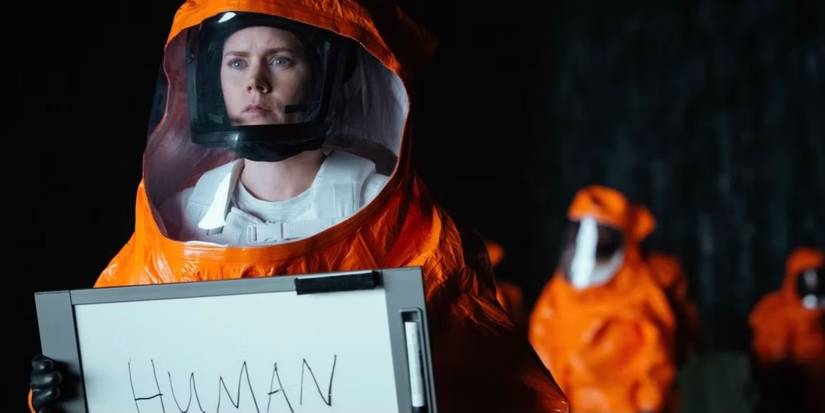
Amy Adams in Arrival wearing a hazmat suit and holding a sign that has the word “human” written on it.Image via Paramount Pictures
Arrival centers on linguist Dr. Louise Banks (Amy Adams), who is recruited to help communicate with extraterrestrials when twelve alien spacecraft suddenly appear at different locations around Earth. Alongside physicist Ian Donnelly (Jeremy Renner), Louise tries to decipher the aliens’ complex, non-linear written language and determine whether the visitors come here as a threat or as friends.
Arrival’s treatment of linguistics and communication with extraterrestrials is grounded and believable. The film treats linguistics as a form of cognitive restructuring, suggesting that language can fundamentally alter how humans perceive reality. Compared to some movies that try to take the shortcut and have computers or AI handle communication between two different beings, Arrival takes its time. Instead of relying on action or spectacle, the tension comes from trying to understand the situation and the political escalation behind it. Denis Villeneuve created a singular experience that is simply unmatched when you watch this film for the first time.
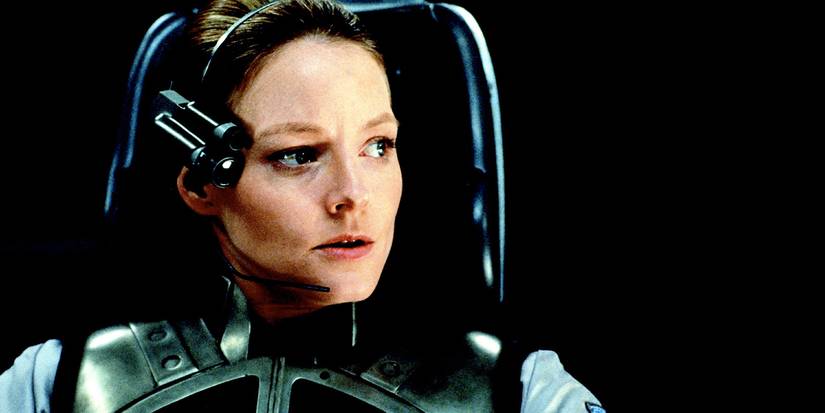
Jodie Foster wears a techno-suit and looks anxious in Contact.Image via Warner Bros
Contact follows brilliant radio astronomer Ellie Arroway (Jodie Foster), who dedicates her life to searching for evidence of extraterrestrial intelligence. Her persistence is rewarded when a signal from the star Vega is detected, containing instructions for building an advanced machine of unknown purpose. As nations and organizations debate what to do, Ellie finds herself at the center of a global event and spearheads contact with the unknown.
Based on the renowned astronomer and scientist Carl Sagan’s book, Contact is a remarkable hard sci-fi film for balancing scientific rigor and human drama. The film treats science with genuine respect, portraying discovery as a painstaking process. At the same time, it also challenges science with faith and belief, creating philosophical discussions. Directed by Robert Zemeckis, the film itself has many great visuals and technological breakthroughs. Even decades later, Contact’s themes remain relevant because they address fundamental questions about humanity’s place in the universe.
‘2001: A Space Odyssey’ (1968)
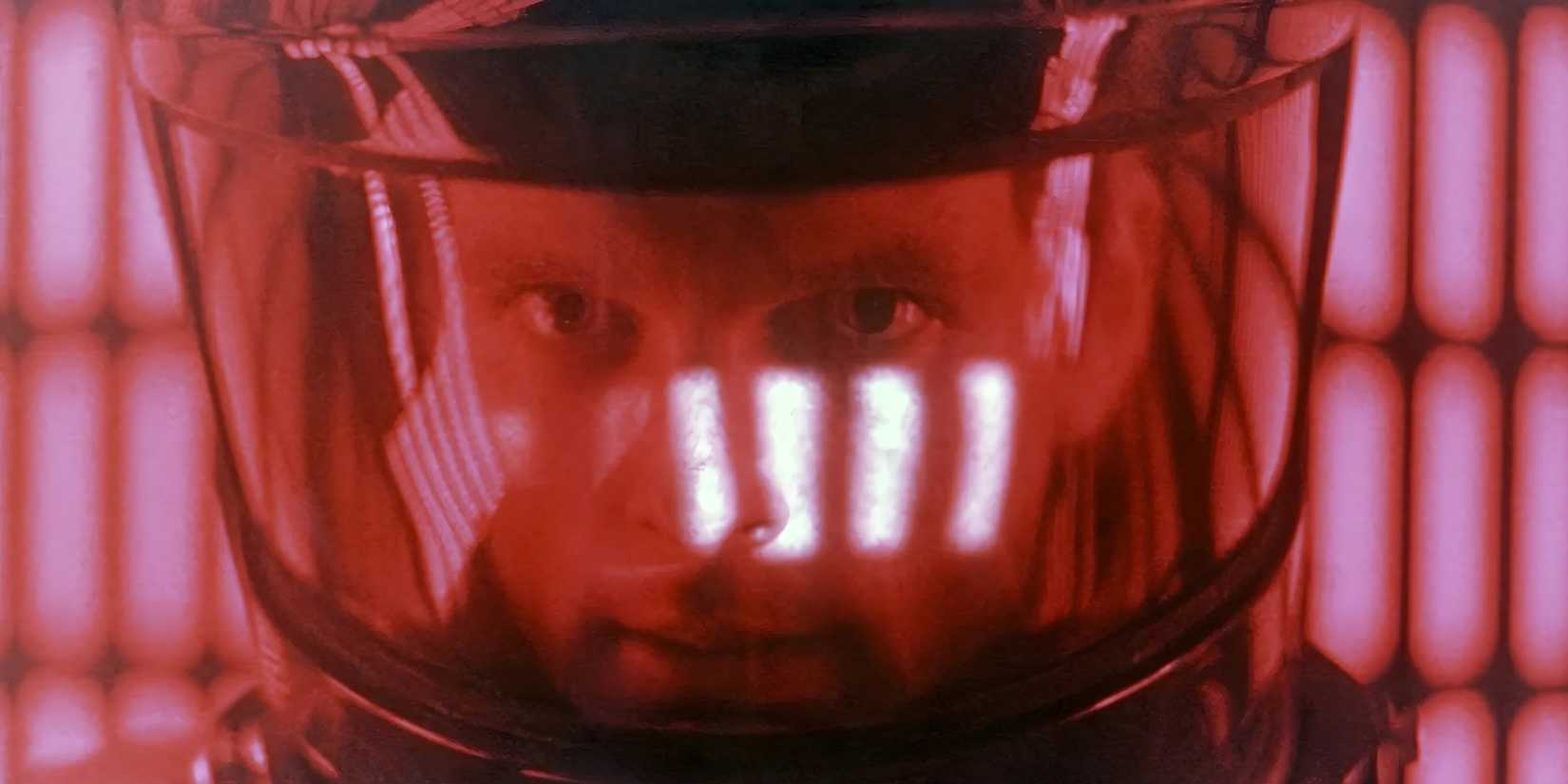
Closeup of Dave Bowman (Keir Dullea) deactivating HAL in 2001: A Space Odyssey.Image via Metro-Goldwyn-Mayer
2001: A Space Odyssey begins at the dawn of humanity, where a mysterious black monolith appears and pushes humans to innovation. Millions of years later, scientists discover a similar object buried on the Moon, triggering a mission to Jupiter aboard the Discovery One spacecraft. Astronauts Dave Bowman (Keir Dullea) and Frank Poole (Gary Lockwood) travel through deep space alongside the sentient computer HAL 9000, and their mission turns strange and profound.
Stanley Kubrick’s 2001 is a towering achievement in cinema, with groundbreaking visual effects, meticulous scientific realism, and philosophical depth that are still unmatched decades later. The film allows viewers to absorb the enormity of space and humanity’s place within it, while HAL’s rebellion provides one of the greatest sources of tension in science fiction. Even the film’s famously abstract ending feels earned because it grows naturally from the themes established throughout the story. 2001 has influenced so many sci-fi movies ever since and continues to do so.
‘Primer’ (2004)
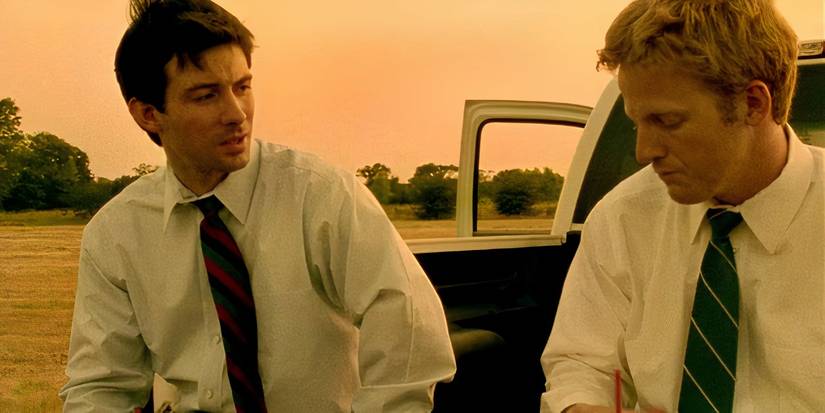
Image via StudioCanal
Primer follows engineers Aaron (Shane Carruth) and Abe (David Sullivan) as they accidentally discover a time travel machine while conducting experiments in a garage. Initially, they use the technology for relatively practical purposes, exploiting their knowledge of future events for financial gain. However, as they continue experimenting, they become trapped in increasingly complicated loops of cause and effect.
Primer might be the hardest sci-fi film you’ll ever watch, and nothing will probably ever come close. This micro-budget sci-fi film refuses to simplify its ideas for the audience. Instead of overexplaining things, Shane Carruth approaches the time travel mechanics like he’s talking with fellow engineers who know their stuff. The result is arguably the most intellectually rigorous time-travel movie ever made. Nevertheless, once you get into Primer’s rhythm, it becomes engrossing until the end. Its complexity can be challenging, but that challenge is precisely what makes it so rewarding.