
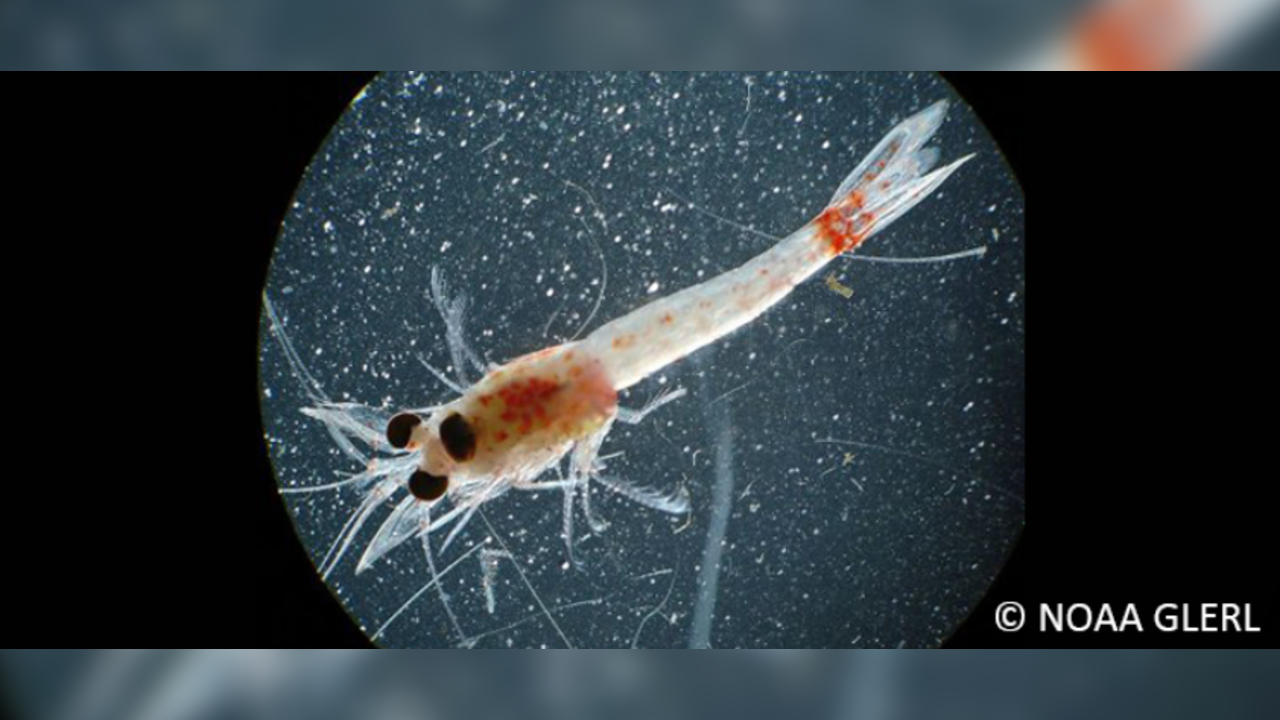
A non-native shrimp species has established a self-sustaining population in Lake Superior and has now spread to all five Great Lakes, according to a study.
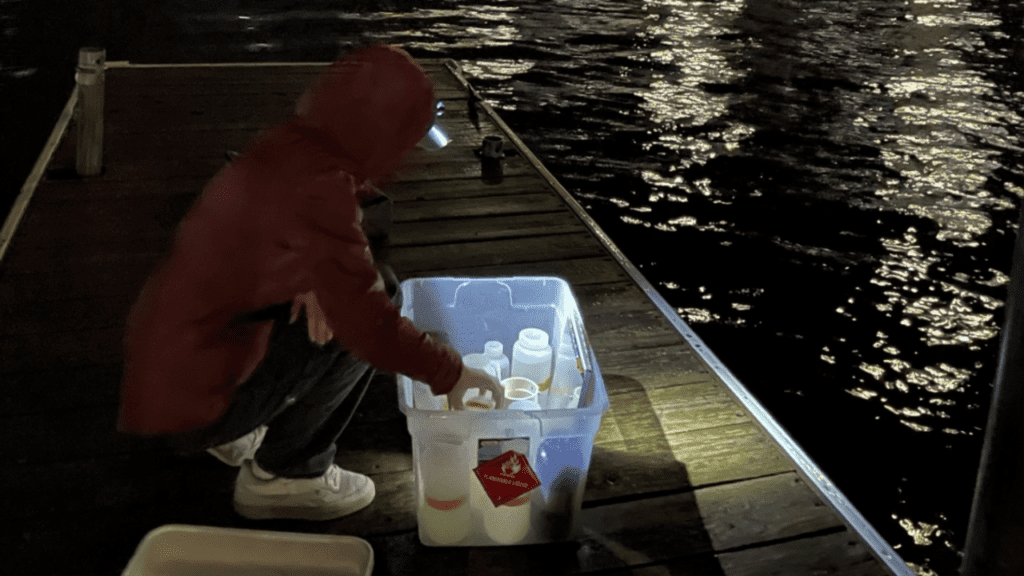
Researchers said they found Hemimysis anomala, also known as the bloody red shrimp, in two locations at the Duluth-Superior Harbor. The samples they collected in 2025 included juveniles, adult males and females, according to the study published in April.
University researchers said that these results indicate a self-sustaining population.
“We were able to detect numerous individuals in all life stages,” said Donn Branstrator, a biology professor at the University of Minnesota Duluth. “Our results demonstrate that a bloody red shrimp population is now self-sustaining, and therefore established in the harbor.”
Lake Superior is the last Great Lake to be colonized by the bloody red shrimp, which was first found in 2006.
Researchers conducted targeted sampling in the Duluth-Superior Harbor in 2018, 2024 and 2025. The report on the 2025 results provides the first confirmed evidence that the invasive species is established in Lake Superior.
 Courtesy: Donn Branstrator
The bloody red shrimp is native to the Black Sea and Caspian Sea, located in Europe and Asia.
Compared to the Great Lakes native shrimp, Mysis diluviana, also known as the opossum shrimp, the bloody red shrimp prefers warm, shallow, nearshore water.
According to the Minnesota Department of Natural Resources, the threat of the bloody red shrimp to Minnesota waters is currently unknown. Potential impacts may include predation on native fish food or changes in the abundance of algae in a lake.
“People should be aware that the shrimp could hitchhike to inland lakes on their watercraft and other equipment,” said Branstrator. “Clean, drain, dry procedures will help prevent further spread of the bloody red shrimp to inland lakes in Minnesota and the Midwest.”
5 EYEWITNESS NEWS has reached out the Minnesota Department of Natural Resources for comment. We are waiting to hear back.
For Related Stories: Duluth Invasive Species Lake Superior Minnesota Department of Natural Resources