
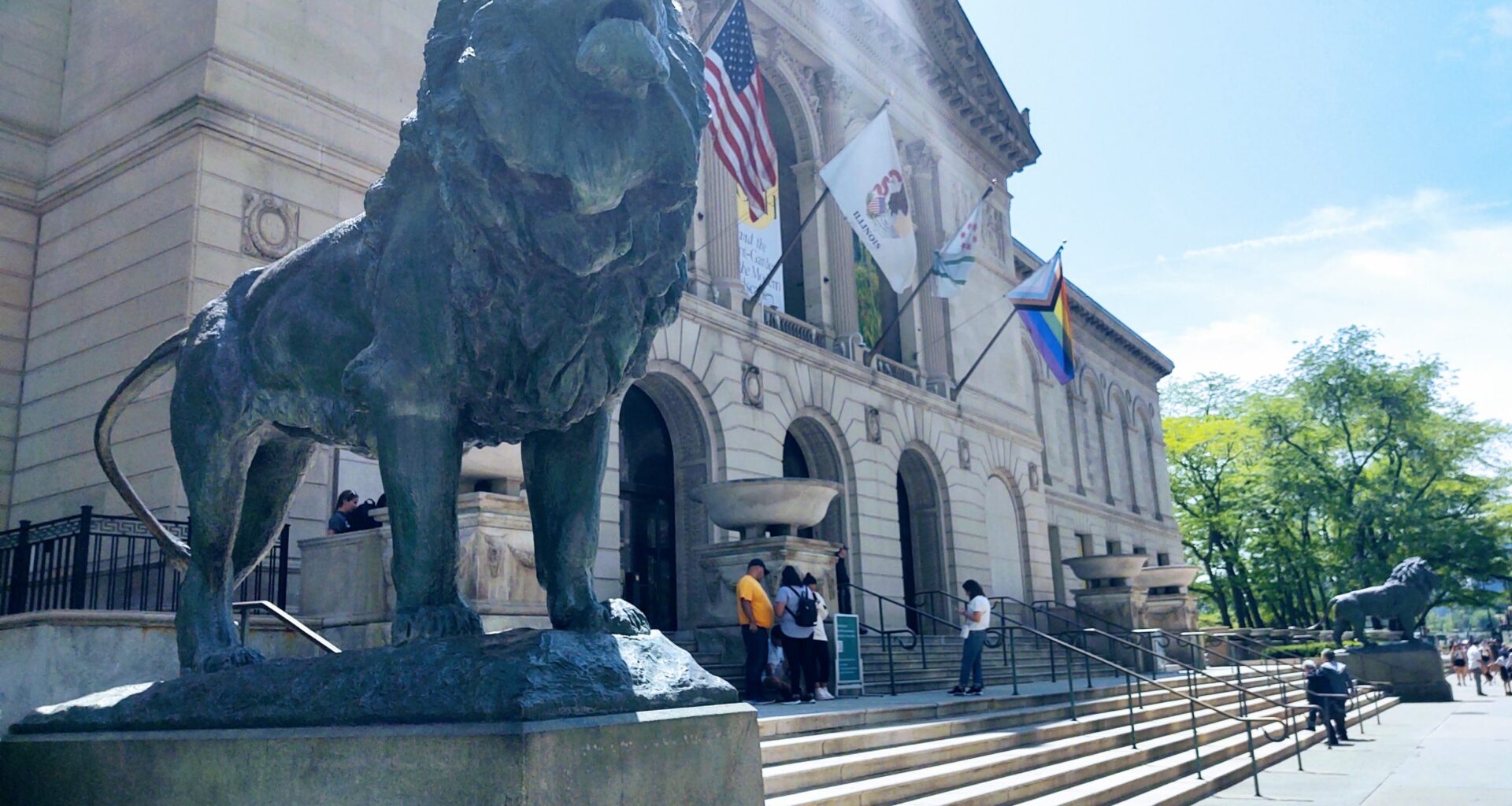
THE LOOP — The Chicago Loop Alliance wants the Loop to be seen as more than an office district — and a new study says the area’s arts and culture scene has the economic muscle to prove it.
The study, commissioned by the Chicago Loop Alliance and conducted by Sound Diplomacy, found the Loop’s creative economy generates $14.3 billion annually and supports 66,173 jobs, which is about 16 percent of all employment in the area.
The report comes as the Loop Alliance is applying to establish a business improvement district for the Loop, a move that would allow the organization to expand beyond its State Street special service area and more broadly market Downtown as a destination for arts, culture and tourism.
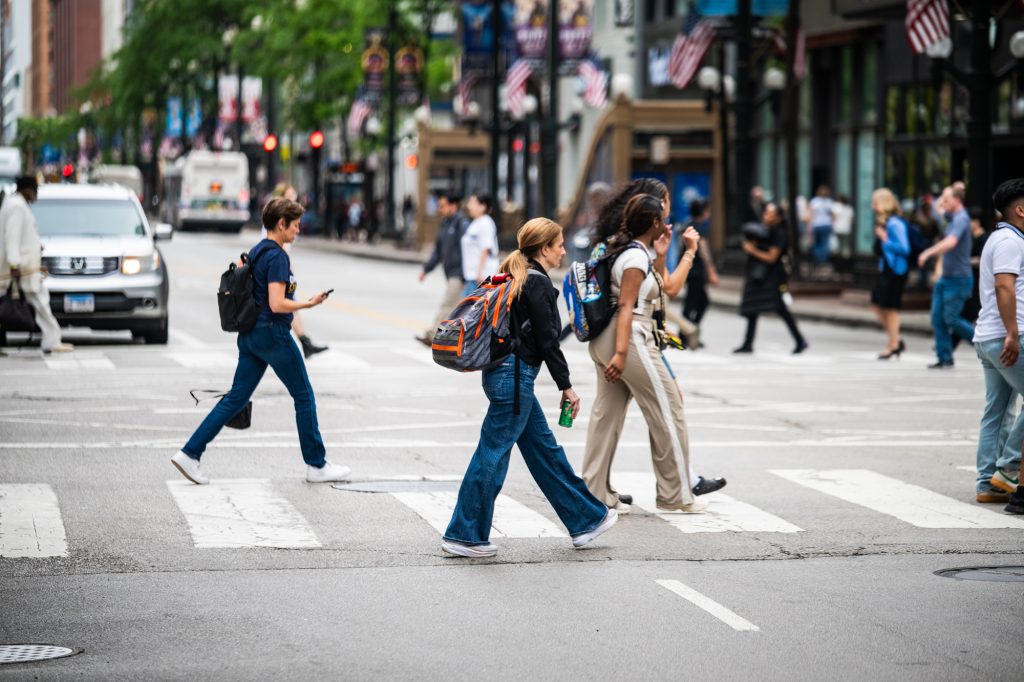 People cross State Street in the Loop on May 18, 2026. Credit: Colin Boyle/Block Club Chicago
For the Chicago Loop Alliance, the findings make the case that the Loop is more than a traditional central business district and that its theaters, museums, festivals, creative businesses and cultural attractions should be central to how Downtown is marketed, funded and planned.
Ariella Gibson, director of marketing and communications for Chicago Loop Alliance, said the organization has long known arts and culture are central to the Loop’s economy, but the new study offers a more comprehensive look at the sector’s reach.
The study defines the Loop’s creative economy broadly, including not only theaters, museums, galleries, performances and festivals, but also the businesses and institutions that support them — from marketing, legal and transportation services to nonprofits, schools, foundations and government agencies.
“The Loop is seen as a central business district — very much pro-business, pro-corporations, less so the creative economy — and that’s just not true to the full context and story of the Loop,” Gibson said.
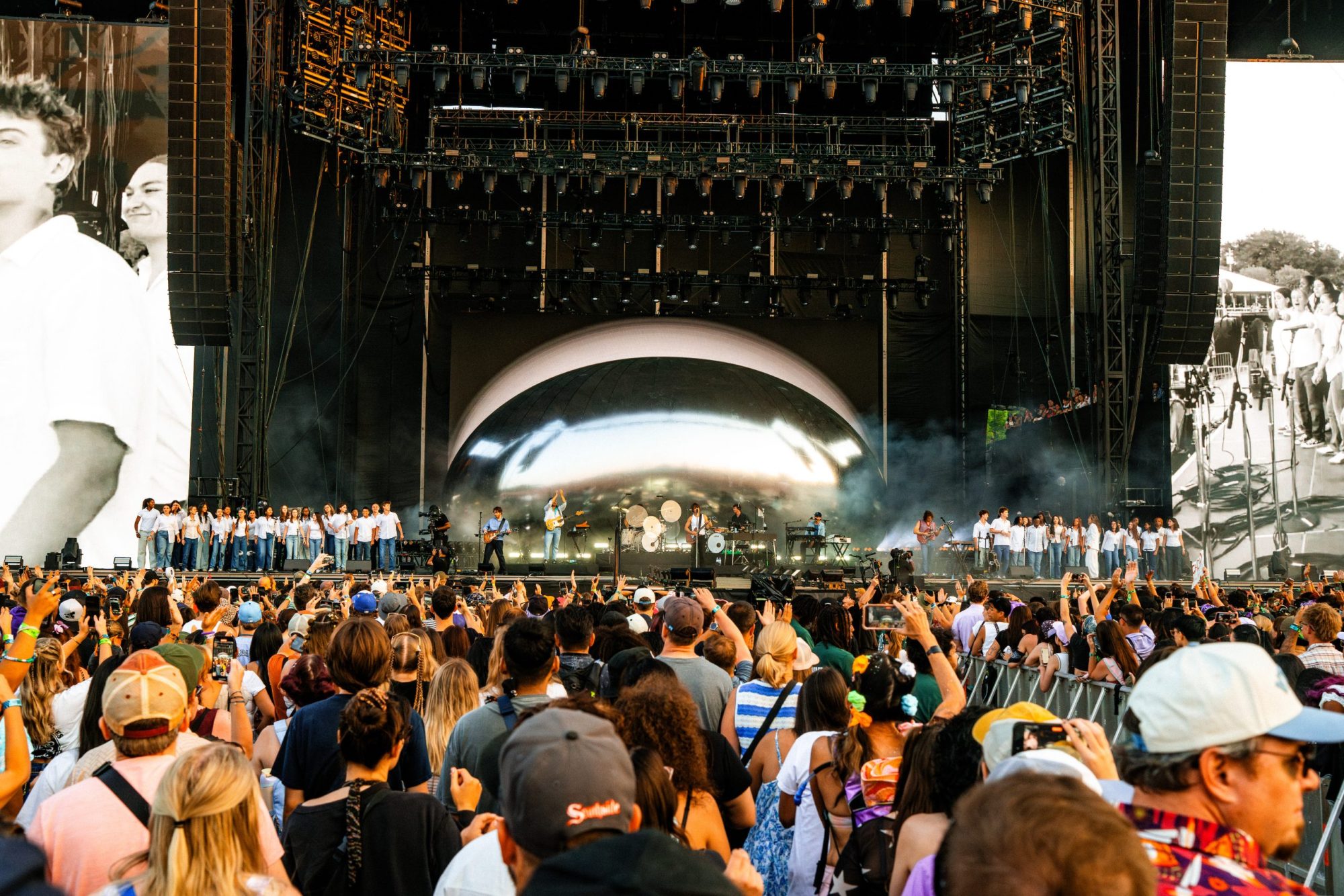 Chicago’s Uniting Voices children’s choir performs with Djo at Lollapalooza on Friday, Aug. 2, 2025. Credit: Djoby Pooneh Ghana for Lollapalooza/Provided
The study found the creative economy added $8.9 billion in net value to the Loop’s economy. It also found that festivals, fairs and conventions were the leaders in revenue generation, creating about $3.5 million in annual economic output and supporting 17,293 jobs.
Additionally, people visiting the Loop to participate in the creative economy — like those attending a festival, show or museum — generated $1.8 billion in economic output. The average person spends about $162 per day in the Loop on food and drink, in-venue purchases, shopping, transportation, lodging and other entertainment, according to the report.
“That’s huge,” Gibson said. “That means people are coming from places to the Loop to participate in and experience the Loop.”
The money generated from the creative economy also raises a huge amount in tax revenues, according to the report: $1 billion in federal taxes and $550 million for state, county and city coffers.
The organization is still determining how the study will shape its future programs, but the findings support its broader push to make the area more mixed-use and experience-driven.
Earlier this year, the Loop Alliance announced the launch of its Loop Arts District, a coalition of nearly 90 arts organizations to develop the Loop’s identity as a world-class cultural destination. Part of that included commissioning an arts economic impact study and ending the event series Sundays on State in favor of developing new programs and branding.
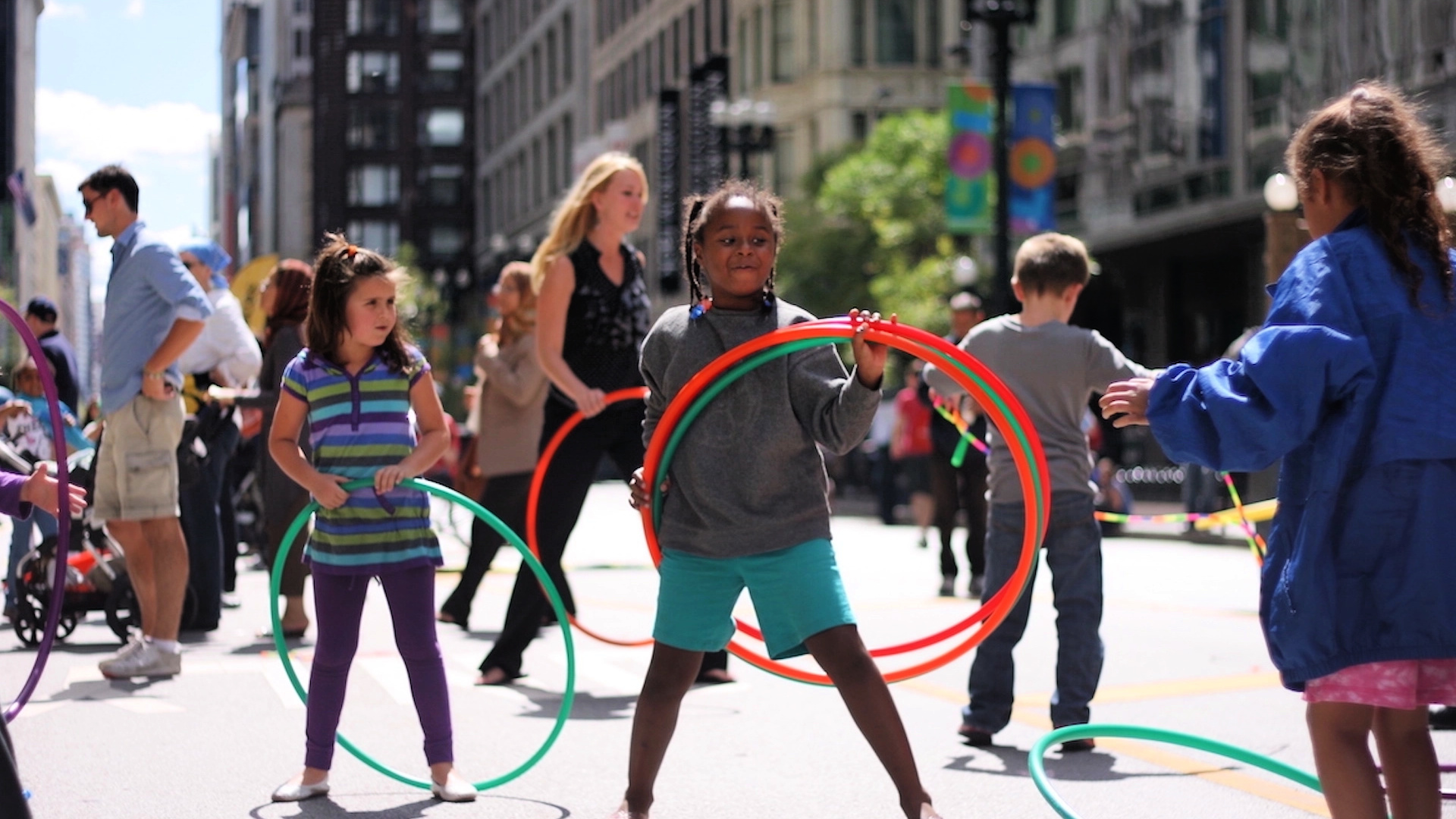 Children take part in “Sundays on State,” which ended last year. Credit: Chicago Loop Alliance
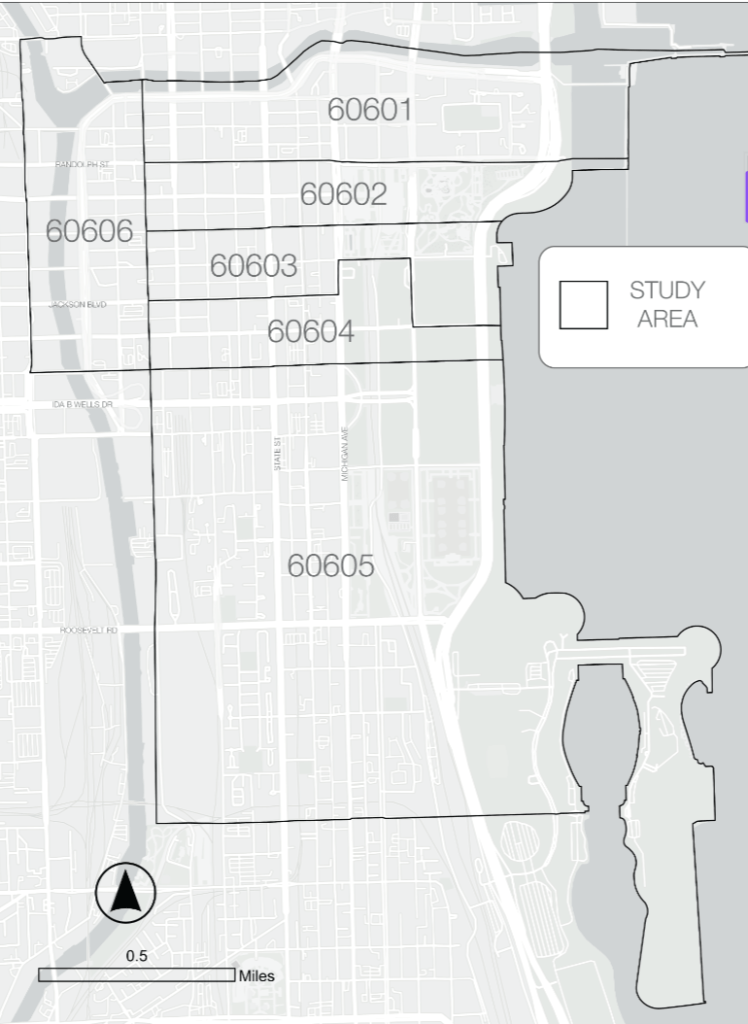 The study area for the arts economic impact study commissioned by the Chicago Loop Alliance. Credit: Chicago Loop Alliance
This fall, the organization will host “Arts Fest,” a one-day event Oct. 17 that will bring arts and cultural attractions onto State Street alongside food, retail and other programs. The event is being planned in conjunction with Open House Chicago and is meant to encourage people to experience arts and culture across the Loop, Gibson said.
With the study now complete, the organization will continue on the broader push for a business improvement district in the Loop.
A business improvement district would allow the organization to collect dedicated funding from commercial property owners within a defined area and use it to market, maintain and support the Loop.
Money from a business improvement district can be used for services and improvements such as maintenance and beautification, district marketing and advertising, business retention and attraction, special events and promotions, auto and bike transit, security, facade improvements and other commercial and economic development initiatives, according to the city’s website.