
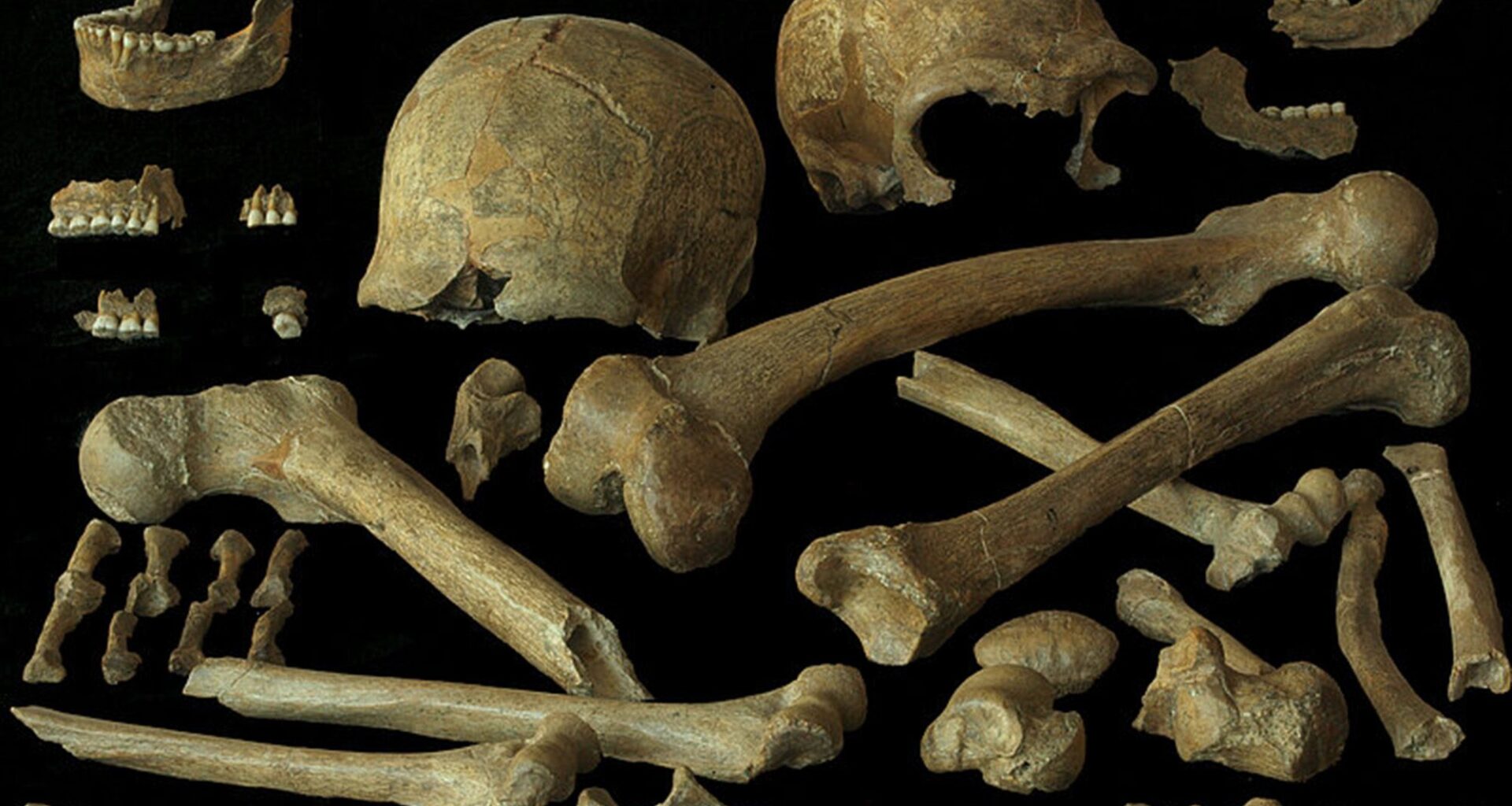
Some of the last surviving Neanderthals displayed greater genetic diversity than scientists previously thought, a new study of ancient DNA reveals, challenging the idea that genetic decline was the main cause of their extinction.
Neanderthals were among the closest relatives of modern humans, with their lineages diverging around 500,000 years ago. Although Neanderthals once ranged across Eurasia, they are usually thought to have gone extinct about 40,000 years ago.
You may like
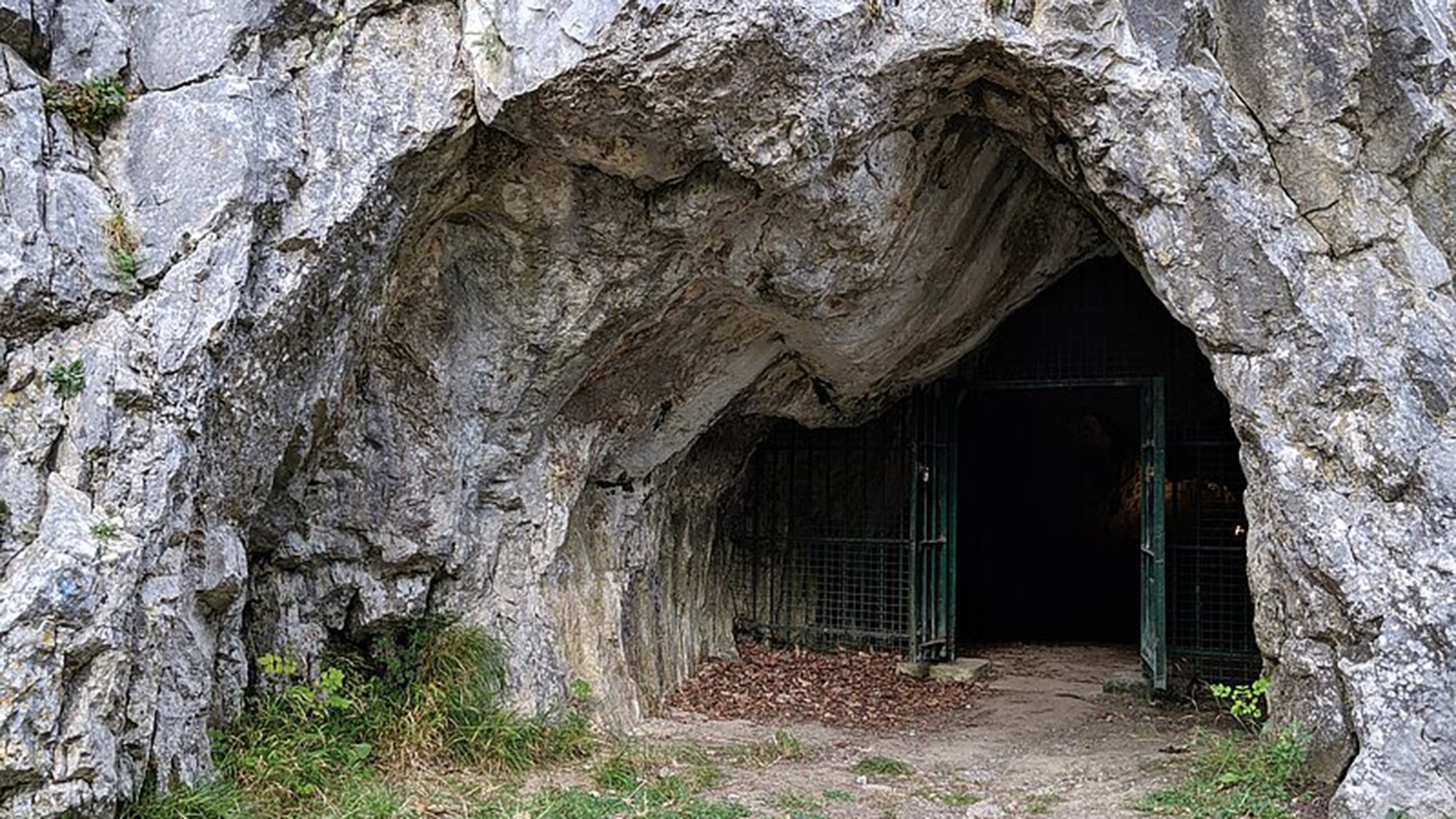
Researchers examined Neanderthal remains found in the Goyet cave system in Belgium.
(Image credit: Mateja Hajdinjak)
What to read next
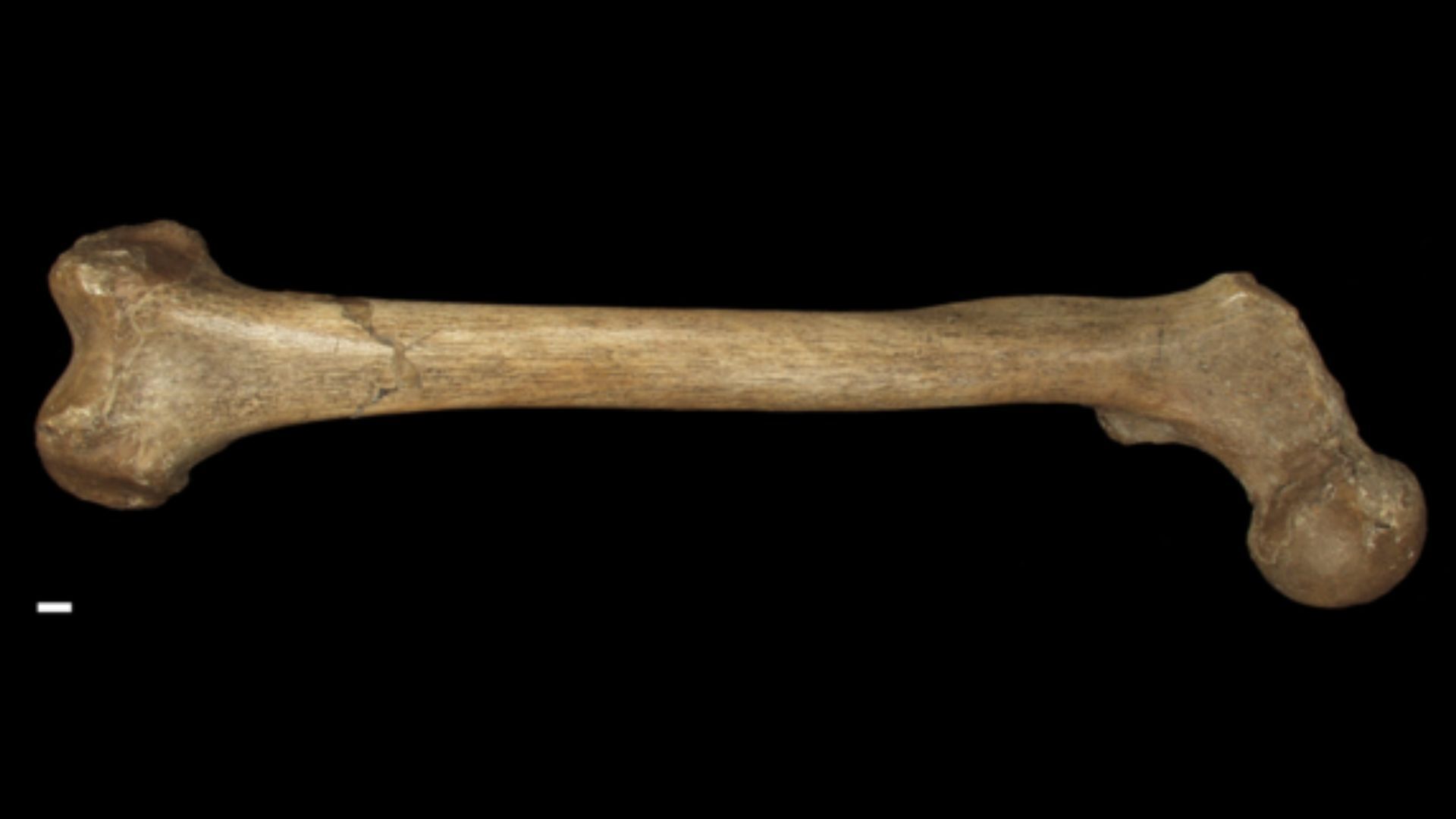
A femur (thigh bone) from a Neanderthal found in Belgium.
(Image credit: E. Dewamme, Royal Belgian Institute of Natural Sciences, CC-BY 4.0)Striking asymmetry
Alba, B. M., Essel, E., Peyrégne, S., Sümer, A. P., Iasi, L. N. M., Heide, C., Popli, D., Cesare, D. F., Gansauge, M., Gerullat, L., Lippik, L., Nagel, S., Nickel, B., Schellbach, B., Schmidt, A., Visagie, J., Weihmann, A., Zeberg, H., Zorn, J., . . . Hajdinjak, M. (2026). Genetic diversity of late Neanderthals in northwestern Europe. Nature. https://doi.org/10.1038/s41586-026-10625-1