
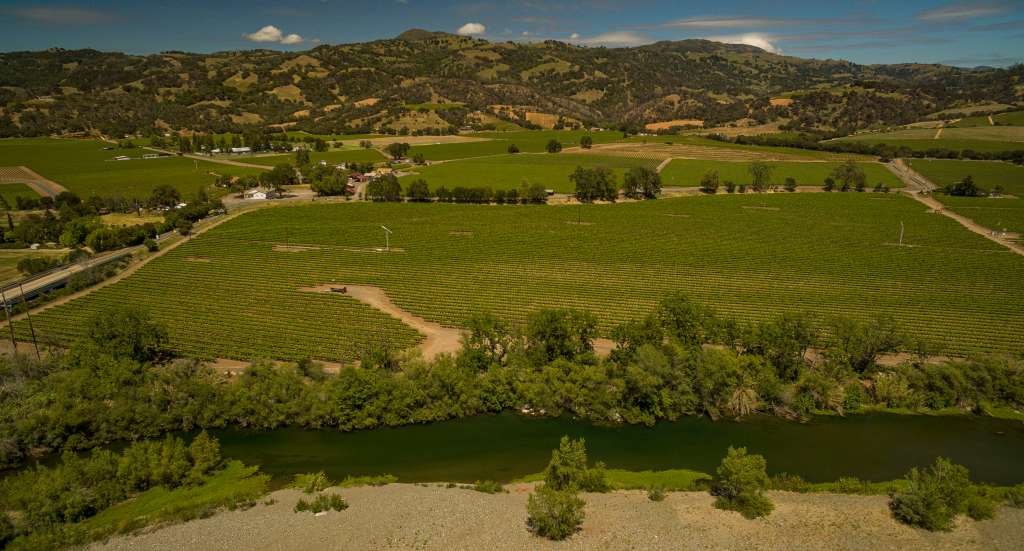
Water resiliency issues have dominated political discourse in Cloverdale, where concerns about drought, water rights and the future of the Russian River loom large, regularly shaping City Council discussions and election campaigns.
Now, the city is putting another voice at the table, authorizing Councilmember Andrés Marquez to represent Cloverdale in meetings related to a new proposed entity, the Alexander Valley Water District, as regional conversations over the area’s water future move forward.
During its meeting on Wednesday, June 25, the city council voted 4-0 to allow Marquez to attend meetings related to the proposed formation of the water district in his official capacity — a role city officials say is intended to help shape Cloverdale’s position ahead of key decisions expected to come later this summer.
During the meeting, Marquez said he plans to attend meetings with agencies and stakeholder groups, including the Russian River Property Owners Association, the Sonoma Local Agency Formation Commission, or LAFCO, and the city of Healdsburg. Marquez reassured council members that he would not make any decisions independently, stressing that any recommendations or positions would return to the council for discussion.
His role, he says, will focus on gathering information, coordinating with regional partners and helping the council develop an official position before LAFCO is set to hear a request in August to reconsider a denial of district formation issued by commissioners earlier this year. LAFCO approves jurisdictional boundaries and spheres of influence for such public districts.
“The idea is to start getting everyone aware of what has been proposed and keep people engaged,” Marquez told The Press Democrat Thursday. “It (the vote) authenticates my position.”
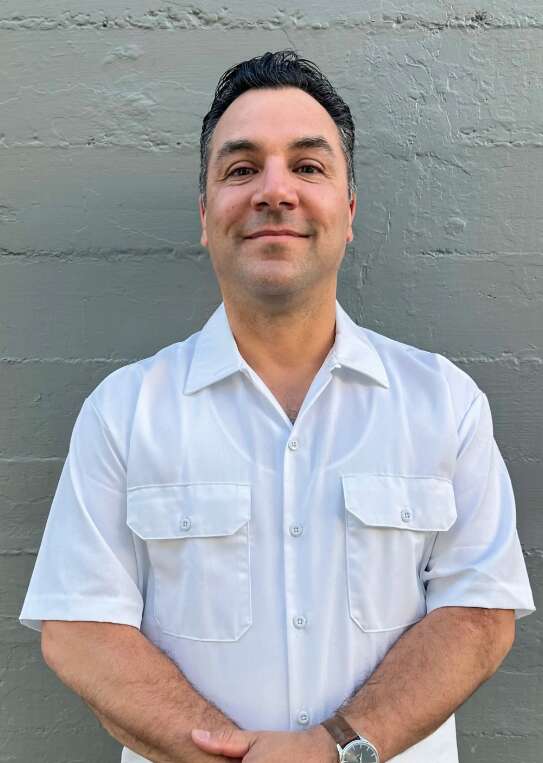 Cloverdale City Councilmember Andrés Marquez
Mayor Brian Wheeler was absent Wednesday due to a family emergency.
For Marquez, the authorization marks a notable shift, and it came just two weeks after a tense exchange on the dais between Marquez and Vice Mayor Todd Lands over Lands’ role representing the city on matters involving the fate two PG&E dams on the Eel River and related water diversions into the Russian River.
The Cloverdale council has lodged its opposition to PG&E’s plans to remove those dams, which the utility says no longer pencil out and would require costly modifications to relicense. Lands has been a vocal opponent of dam removal, hitching his recent, unsuccessful run for county supervisor to efforts to keep the dams and unwind a regional plan geared to continue limited diversions from the Eel River in a post-dam future.
During the June 10 meeting, Marquez said he felt like his “hands were tied,” adding that it was not in the best interest of the city to have only Lands authorized to engage in conversations about water issues and PG&E’s Potter Valley Project, arguing he and any other interested council member should be allowed and encouraged to engage. In effect, Marquez said, Lands had become the city’s de facto “water czar.”
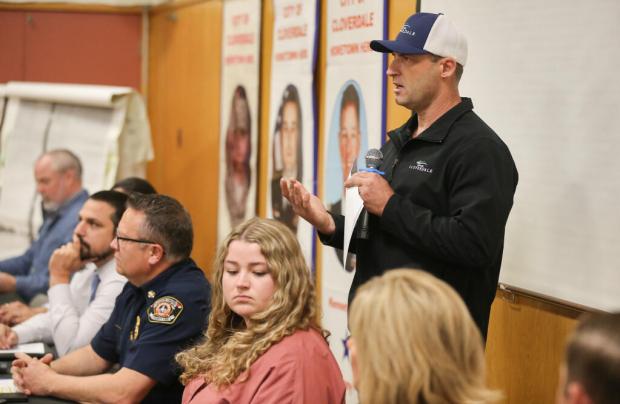
Christopher Chung/The Press Democrat
Cloverdale Mayor Todd Lands speaks during the Potter Valley Project town hall meeting in Cloverdale on Thursday, March 20, 2025. (Christopher Chung/The Press Democrat)
That meeting came in the wake of two earlier council meetings this year in which Wheeler and Lands questioned Marquez’ participation in regional water discussions after he referred to himself as a “liaison” in a Facebook post about attending regional meetings. At the time, Marquez said he had not intended to imply he was acting in an official city capacity.
A proposed censure of Marquez did not advance earlier this year. City leaders and staff did not respond to at least three separate requests for comment by The Press Democrat regarding the action.
The June 24 decision was a positive compromise, Marquez said.
The proposed Alexander Valley Water District would create a new landowner-governed water district covering much of the Alexander Valley groundwater basin near the cities of Cloverdale and Healdsburg. The two cities rely heavily on wells replenished by flows in the upper Russian River, unlike cities to the south, which are served by a regional system supported by supplies in Lake Sonoma, the region’s main reservoir.
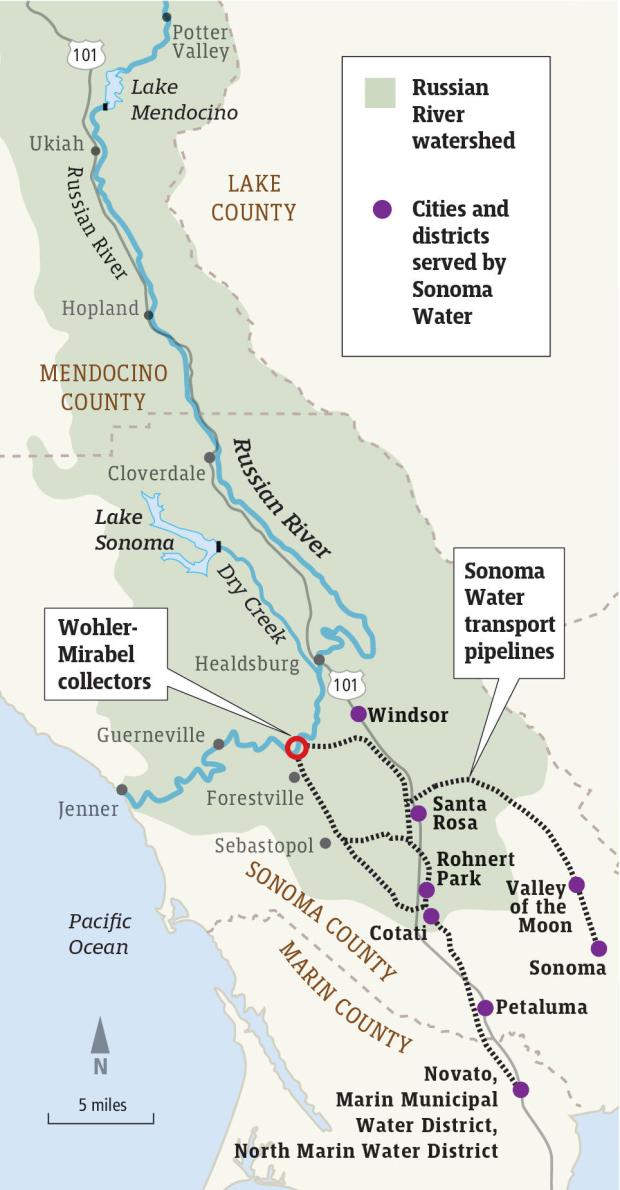 The Russian River helps supply water to about 700,000 customers from Ukiah in Mendocino County to northern Marin County. About 600,000 of those customers are served by Sonoma Water, the region’s dominant wholesaler, with a distribution system shown here in purple. (Press Democrat)
If ultimately approved by LAFCO, the district, according to supporters, would coordinate groundwater management and conservation efforts, while participating in future regional water planning.
Creation of the district would also position Alexander Valley landowners for formal participation in regional water governance discussions as the North Coast prepares for changes tied to PG&E’s Potter Valley Project.
Marquez said that although Cloverdale is not included within the proposed boundaries, decisions made by the body could have significant implications for the city’s water future. The proposed district spans more than 28,000 acres, encompassing the stem of the Russian River and its vicinity from 1.5 miles south of the Mendocino County line down to the outskirts of Healdsburg.
One of Marquez’ primary concerns is ensuring Cloverdale has a voice in discussions surrounding a potential future groundwater sustainability agency or other regional partnership involving Healdsburg, Sonoma Water, the region’s dominant wholesaler, and the Dry Creek and Lytton rancherias.
State-mandated groundwater sustainability agencies currently govern three basins to the south, stretching from Windsor to Sonoma and Petaluma.
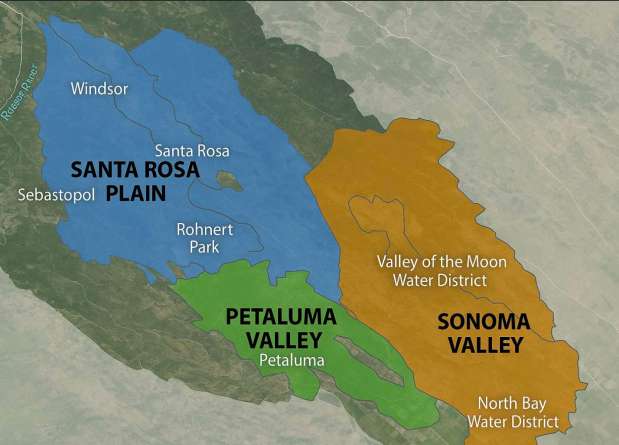 Map of Sonoma County showing the three major groundwater basins—Santa Rosa Plain (blue), Petaluma Valley (green), and Sonoma Valley (orange)—along with key cities and water districts impacted by recent groundwater level declines. (Cody Ransom illustration)
During the council discussion, Marquez said his first priority will be working with the council and city staff to develop an official comment on the proposed district ahead of LAFCO’s August 5 hearing, adding that he plans to bring a draft position before the council during its July 22 meeting.
Not all council members were immediately sold on the proposal.
Council Member Mark Laskey questioned whether formally engaging with the proposed district could have unintended consequences for Cloverdale’s longstanding pre-1914 water rights, asking whether the city could inadvertently become subject to decisions made by outside agencies.
“I don’t want to say we send you as an authorized representative and then they jump on the coattails of our water rights and all of a sudden we’re subjected to other entities and other rulings that affect our water rights,” Laskey said to Marquez during the meeting.
Marquez responded and reassured him that would not happen, adding that attending meetings would not commit the city to any agreements, instead describing his mission as a fact-finding effort to ensure Cloverdale understands the proposal and has an opportunity to weigh in.
“I am very excited to be able to get to work on coordinating our efforts in the next steps of engaging in the process for the proposed Alexander Valley Water District,” Marquez said.
You can reach Staff Writer Anna Armstrong at 707-521-5254 or at anna.armstrong@pressdemocrat.com. On X (Twitter) @annavarmstrongg.