
Five New England states sued the federal government on Monday to block work requirements for Medicaid enrollees that are expected to cost hundreds of thousands of people in Massachusetts their health insurance.
Connecticut, Maine, Massachusetts, Rhode Island, and Vermont are among 26 states arguing the guideliness create an unfair and unnecessary bureaucratic maze for people who are entitled to receive Medicaid coverage.
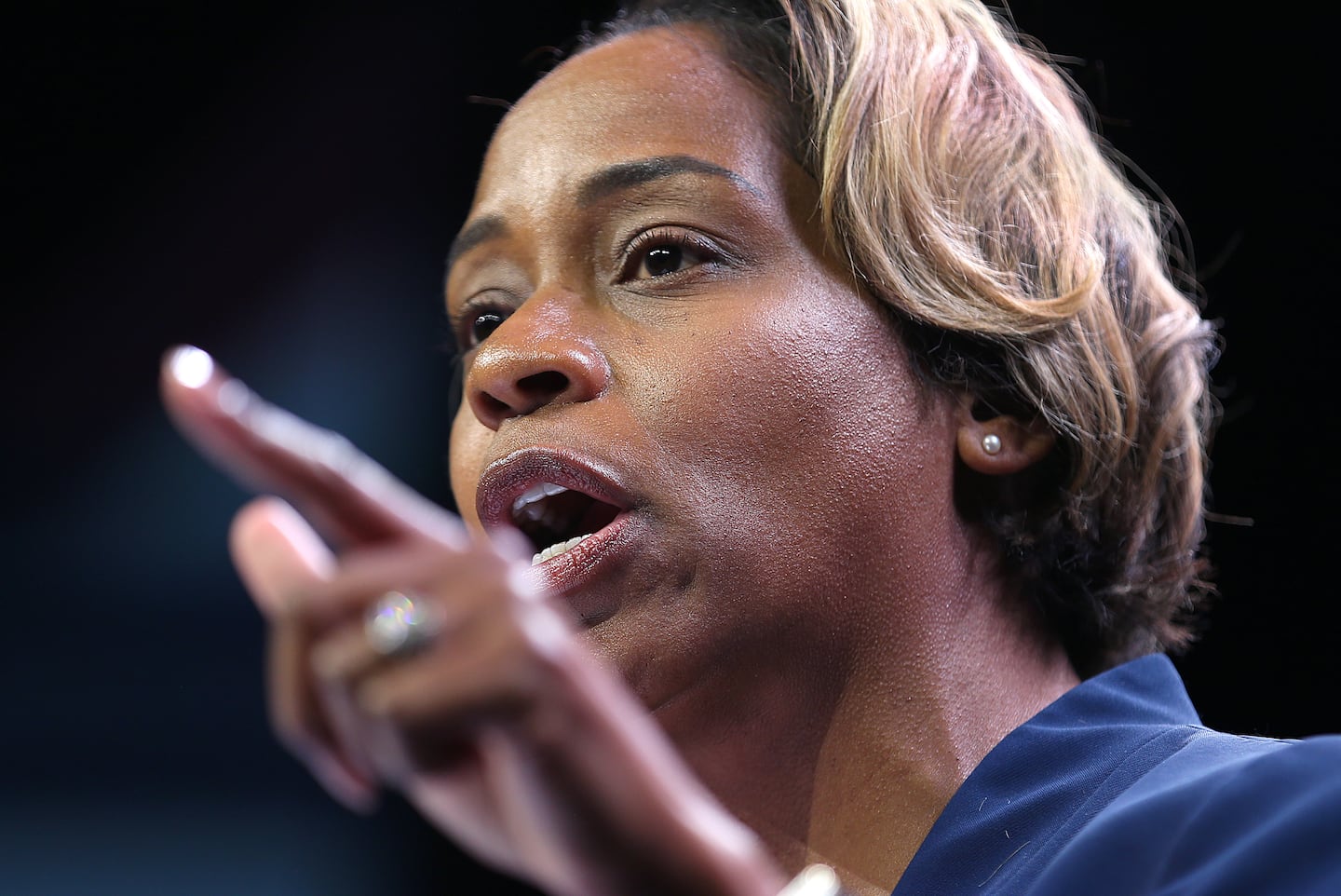
“The Trump Administration’s attempt to impose new, burdensome requirements on Medicaid recipients threatens access to healthcare for our most vulnerable residents and families,” Attorney General Andrea Joy Campbell said in a statement Monday.
The new rules require most Medicaid recipients between the ages of 19 and 64 to prove they work, attend school, or volunteer at least 80 hours a month. Some are exempted, including people who are pregnant and anyone parenting a child 13 our younger, but the lawsuit specifically takes issue with the exemption for people deemed medically frail, those with serious, chronic conditions that prevent them from working consistently.
In guidance issued at the beginning of the month, the Centers for Medicare and Medicaid Services determined it wasn’t enough to be identified as medically frail to obtain an exemption. The person must also demonstrate that their condition prevented them from meeting the work requirement.
Experts have said that’s a difficult standard to meet, particularly for people with conditions such as mental illness. The lawsuit contends the CMS guidelines are a dramatic shift from what states expected, and what preliminary guidance promised.
The work requirements were mandated in the One Big, Beautiful Bill passed by Congress and signed by the president last year. GOP supporters of the requirements argued they would reduce fraud in Medicaid.
State officials and many health policy experts said they were more likely to make it harder for people who qualify for Medicaid to receive coverage they are entitled to. More paperwork, more frequent eligibility checks, and more restrictive standards for exemptions are expected to contribute to more than 200,000 MassHealth members losing coverage, according to one estimate.
Jason Laughlin can be reached at jason.laughlin@globe.com. Follow him @jasmlaughlin.