
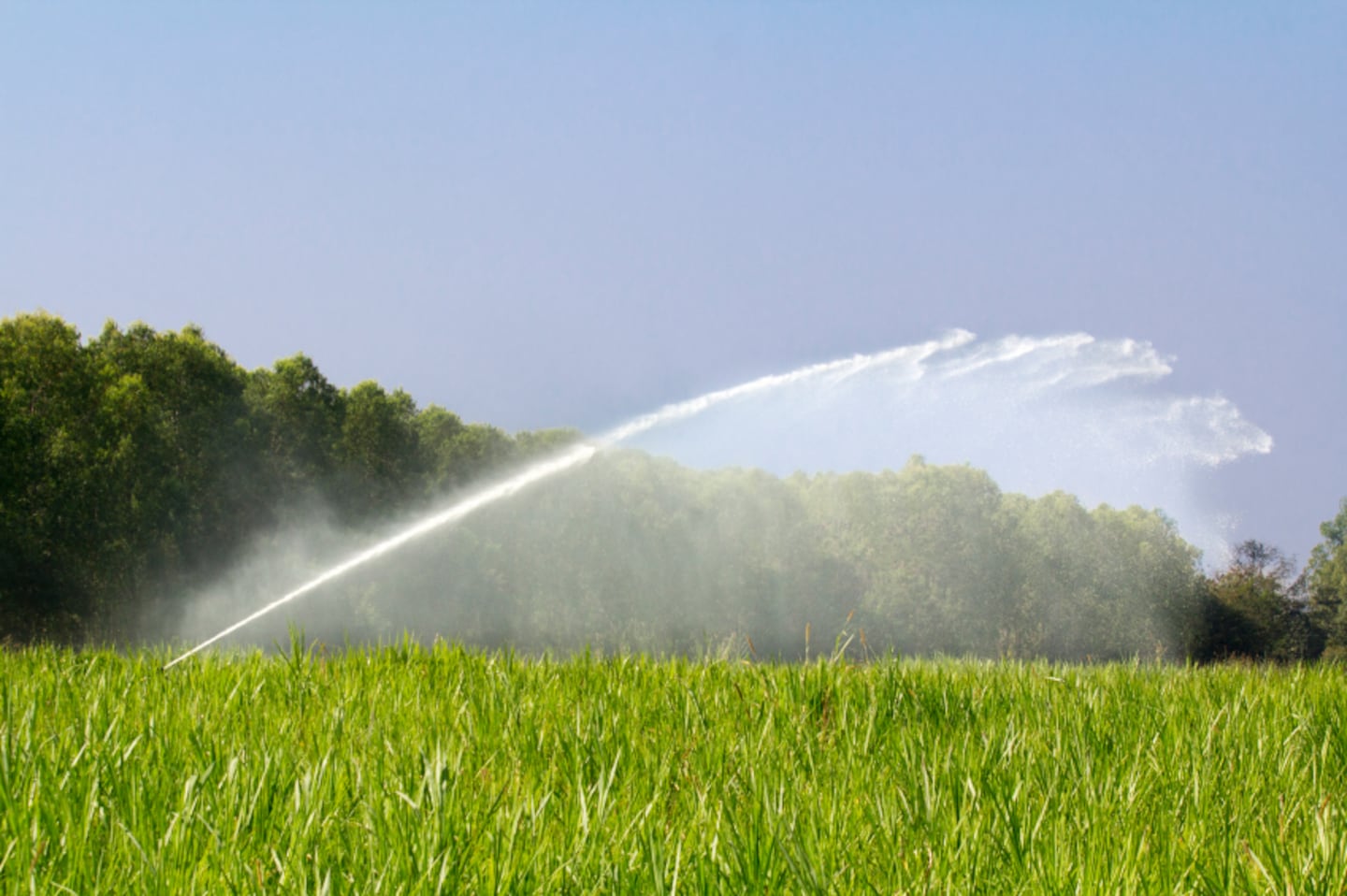
As masters of adaptation, plants have altered how they look and grow, chiefly in response to water availability. Wetland plants have evolved to prefer wet, waterlogged conditions, whereas plants that grow in sandy soils have evolved to tolerate far less water. Natural plant communities that rely on water are based on historical and predictable rainfall patterns, which, due to our warming planet, are shifting and becoming more unpredictable.
For gardeners in the Northeast, this may mean shifts in temperature and precipitation patterns. I do not have a crystal ball that will forecast what the remainder of the summer has in store for us in terms of heat and rainfall, but I can reflect on the pattern of the last few years and say if you are not already thinking about water-wise plantings and water conservation practices, you ought to be considering them now.
The current drought status for Massachusetts follows two years of below-average rainfall. As of May 1, Boston and its surrounding towns are experiencing level 2 (significant) and level 3 (critical) drought conditions; the Cape is at level 2. In the state, only Western Massachusetts is as low as level 1 (mild). Gardeners can take steps to ensure their gardens thrive without wasting water.
In this column, I will discuss:
When to water and when not to
The importance of deeply watering garden beds
How ground covers and mulch can help the soil retain water
Why avoiding pruning and fertilizing during a drought is smart
Overhead watering between 9 a.m. and 6 p.m. during a heat wave results in more water being lost to evaporation than the plants can absorb. Water droplets can magnify the sun’s intensity and cause foliar damage. To significantly reduce evaporative water loss, it is best to water early in the morning, before 9 a.m., or late in the evening, after 6 p.m. Please check with your local municipality about whether outdoor watering is currently permitted.
Next, let us consider how long to water; infrequent but deeper waterings will encourage plants’ roots to delve farther into the soil, resulting in improved resilience to drought conditions. If you only water lightly, the plant’s roots will remain shallow, making it more at-risk during drought stress. At Garden in the Woods in Framingham, we deeply water our new plantings a few days before the heat wave is set to occur to aid them going into the stressful period rather than trying to rescue them during the worst of the heat.
Groundcovers and mulch play an important role in reducing moisture loss from the soil because the soil is not exposed. Wood chips are best used for woody shrubs and trees, leaf mulch or pine needles for perennial plantings, salt hay and straw for vegetable gardens. As with many things in nature, a balanced approach is best. Leaving some soil bare provides opportunities for ground-nesting pollinators to live, but leaving too much risks excessive soil drying during a drought. The bottom line is to keep most soil covered in order to retain moisture.
Avoid pruning your plants during a heat wave. Any fresh pruning cut is an open wound where the plant will struggle to reduce water loss. It’s better to prune later in the year, during more moderate temperatures. Fertilizing plants is usually a good thing; however, encouraging plants to push new tender leaves during a drought is stressful for the plant.
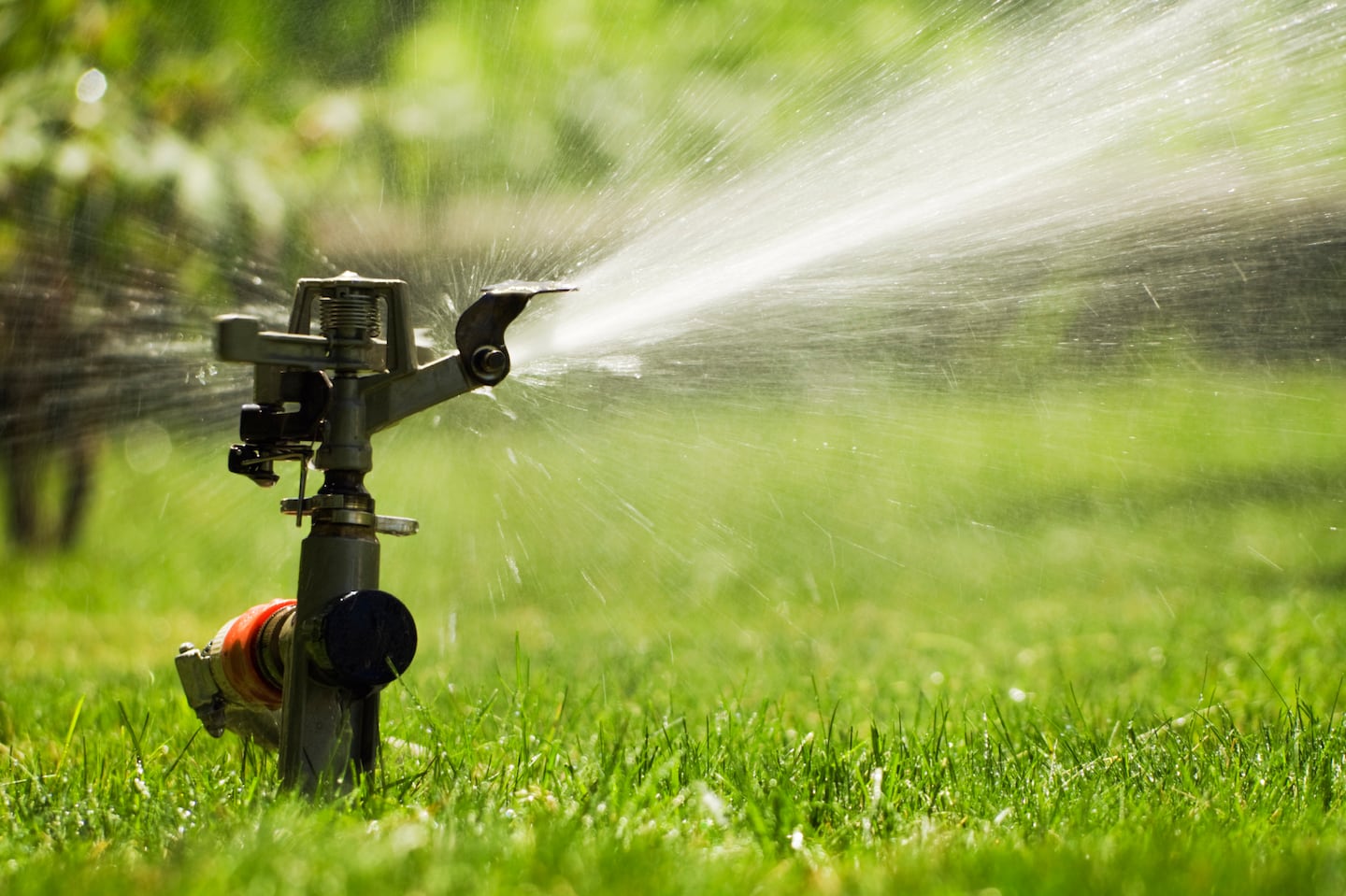 To significantly reduce evaporative water loss, it is best to water early in the morning, before 9 a.m., or late in the evening, after 6 p.m.iStock
My last piece of guidance may be hard for some readers to hear. The EPA estimates that over half of an average household’s water use goes to watering lawns. Drought-tolerant native plants and reduced lawn areas will help us all conserve water while lowering your water bill, too. After all, clean water is a shared resource in our communities, one that we all should cherish and protect.
Your lawn can be reseeded or reestablished, but your decades-old shrubs and mature trees cannot; the extra water, especially when provided in the evening, really helps them weather the stress.
With water-wise practices, paired with drought-tolerant plants, each of us can do our part to ensure New England remains verdant and livable.
Just how does water move through a plant?
The mechanism is just astounding: part physics, part engineering, and part adaptation. Setting aside maritime plants, most others keep the inside of their roots just a touch saltier than the surrounding soil, and water moves into the roots passively to correct the imbalance. Once inside the roots, water and dissolved nutrients are drawn up through the plant’s body by a combination of capillary action and evapotranspiration pressure. Driving this process are the stomata, or pores, typically found on the underside of the leaves. The leaf must open these pores to let carbon dioxide in, a crucial component of photosynthesis, and to let oxygen and water vapor out, both byproducts of the same physiological process. Approximately 97 percent to 99 percent of all water that enters the roots moves through the plant and exits the leaves via the stomata. It may seem wasteful to lose so much water; however, maintaining a continuous flow of water and nutrients helps plants grow, while the loss of water vapor helps keep them cool during periods of intense heat and drought.
Ulrich Lorimer is the director of horticulture at the Native Plant Trust in Framingham. Send your gardening questions, along with your name/initials and hometown, to ulorimer@nativeplanttrust.org.