
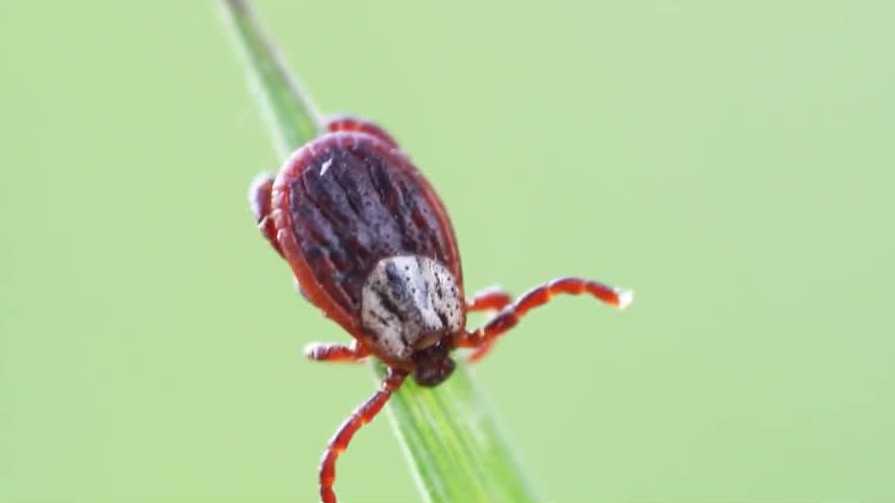
WELCOME BACK. TICKS ARE A YEAR ROUND PROBLEM, BUT THE RISK IS, OF COURSE MORE NOTICEABLE IN THE SUMMER MONTHS. AND JILL IS LOOKING AT THE ENVIRONMENTAL FACTORS THAT MAKE IT IDEAL FOR TICKS TO THRIVE HERE. AND IT TURNS OUT IT’S NOT JUST WOODED AREAS ANYMORE THAT YOU’RE GOING TO BE INTERACTING WITH TICKS. IN FACT, SOME RESEARCHERS SAY YOU DON’T HAVE TO STRAY TOO FAR FROM HOME TO FIND THE NUMBER ONE SPOT FOR TICK BITES. DOCTOR NICOLE CZARNECKI LEADS THE DOCTOR. JANE HUFFMAN, WILDLIFE GENETICS INSTITUTE, HOME OF THE TICK RESEARCH LAB OF PENNSYLVANIA. SHE SAYS OVER 60% OF EXPOSURES HAPPEN RIGHT AT HOME. BUT WHY? ANY SORT OF WILDLIFE SPECIES CAN BRING TICKS IN AND DROP THEM OFF. SO IF YOU SEE DEER COMING THROUGH, BIRDS, LITTLE SMALL MAMMALS LIKE MICE, IF YOU GROUNDHOGS, OPOSSUMS, ANYTHING THAT RABBITS, IF THEY’RE COMING IN AND OUT OF YOUR YARD, THEY CAN BRING TICKS IN. ENVIRONMENTAL FACTORS ARE INCREASING THE TICK DENSITY ACROSS THE STATE, INCLUDING A LARGER DEER HERD AND MORE ORGANIC MATERIALS IN OUR LUSH FORESTS, ALL MAKING A GREAT HOME FOR TICKS. BRANDON MCCRACKEN WITH THE PITTSBURGH PARKS CONSERVANCY, EXPLAINS TICKS ARE WAITING WITH THEIR ARMS OUTSTRETCHED LIKE THEY SIT ON A PLANT AND WAIT FOR A BIG ANIMAL TO PASS THEM BY. PENNSYLVANIA NOT ONLY HAS GREAT ENVIRONMENTS, BUT ALSO AN IDEAL CLIMATE FOR TICKS TO THRIVE. TWO SEASONS, IN PARTICULAR, ARE INFLUENTIAL DURING THE TICK’S LIFE CYCLE. LAST WINTER’S DEEP SNOWPACK MAY BE A CONTRIBUTOR TO INCREASED SIGHTINGS ACROSS THE STATE. SNOW IS ACTUALLY VERY BENEFICIAL FOR THEM. THE MORE SNOW, THE BETTER, SO THEY JUST EXTRACT THE MOISTURE AND IT ACTS AS INSULATED BLANKET FOR THEM. THE TICKS EMERGED EARLIER THIS SPRING WITH THE SNOW MELT AND WARM UP. NOW THE SUMMER CONDITIONS WILL BE IMPORTANT TO THE SURVIVAL OF THE NEXT GENERATION. THE SOIL MOISTURE DROPS LOW ENOUGH AND THE TICKS ARE OKAY. THEY WON’T SURVIVE AND WE POSSIBLY WOULD HAVE A LOWER NYMPH SEASON FOR THE FOLLOWING YEAR. SUMMER IS PEAK SEASON FOR THE NYMPHS. THESE TINY TICKS CAN EASILY GO UNNOTICED AND ARE RESPONSIBLE FOR A MAJORITY OF DISEASE TRANSMISSION. DOCTOR CZARNECKI EMPHASIZES THE IMPORTANCE OF THOROUGH TICK CHECKS. AND IF, WHILE YOU’RE OUT AND ABOUT THIS HOLIDAY WEEKEND, YOU HAPPEN TO FIND A TICK AND WANT TO HAVE IT TESTED FOR SOME OF THOSE TICK BORNE ILLNESSES, WE HAVE A LINK@WTAE.COM, SO YOU CAN SEND THAT TICK AWAY TO B
More tick bites are happening closer to home
Researchers say the climate of two seasons impact the tick population the most.

Updated: 6:20 AM EDT Jul 4, 2026
Ticks are a year-round concern, but experts warn that the risk becomes more noticeable during the summer months, with over 60% of exposures occurring at home.Nicole Chinnici, who leads the Dr. Jane Huffman Wildlife Genetics Institute and its Tick Research Lab of Pennsylvania, explained why ticks are so prevalent in residential areas.”Any sort of wildlife species can bring ticks in and drop them off,” Chinnici said. She says to be more aware if deer, groundhogs, rabbits and chipmunks frequent your yard.Environmental factors, including a larger deer population and more organic materials in Pennsylvania’s forests, are contributing to the state’s growing tick density.Pennsylvania’s climate also plays a significant role in tick survival. Chinnici noted that last winter’s deep snowpack may have contributed to increased tick sightings across the state.”Snow is actually very beneficial for them,” Chinnici said. “The more snow, the better. So they just extract the moisture, and it acts as an insulated blanket for them.” The quick snowmelt and warm-up this spring allowed ticks to emerge earlier. This summer’s conditions will determine the survival of the next generation. “If the soil moisture drops low enough, the ticks start to desiccate, they won’t survive, and we possibly would have a lower nemesis in the following year,” Chinnici said. Summer is peak season for nymph ticks, which are tiny and often go unnoticed. These nymphs are responsible for the majority of disease transmission, making thorough tick checks crucial. For those who find a tick and want it tested for tick-borne illnesses, the Tick Research Lab of Pennsylvania offers free testing. The lab has a special dashboard to track ticks across the Commonwealth.
Ticks are a year-round concern, but experts warn that the risk becomes more noticeable during the summer months, with over 60% of exposures occurring at home.
Nicole Chinnici, who leads the Dr. Jane Huffman Wildlife Genetics Institute and its Tick Research Lab of Pennsylvania, explained why ticks are so prevalent in residential areas.
“Any sort of wildlife species can bring ticks in and drop them off,” Chinnici said. She says to be more aware if deer, groundhogs, rabbits and chipmunks frequent your yard.
Environmental factors, including a larger deer population and more organic materials in Pennsylvania’s forests, are contributing to the state’s growing tick density.
Pennsylvania’s climate also plays a significant role in tick survival. Chinnici noted that last winter’s deep snowpack may have contributed to increased tick sightings across the state.
“Snow is actually very beneficial for them,” Chinnici said. “The more snow, the better. So they just extract the moisture, and it acts as an insulated blanket for them.”
The quick snowmelt and warm-up this spring allowed ticks to emerge earlier. This summer’s conditions will determine the survival of the next generation.
“If the soil moisture drops low enough, the ticks start to desiccate, they won’t survive, and we possibly would have a lower nemesis in the following year,” Chinnici said.
Summer is peak season for nymph ticks, which are tiny and often go unnoticed. These nymphs are responsible for the majority of disease transmission, making thorough tick checks crucial.
For those who find a tick and want it tested for tick-borne illnesses, the Tick Research Lab of Pennsylvania offers free testing. The lab has a special dashboard to track ticks across the Commonwealth.