
NEED TO KNOW
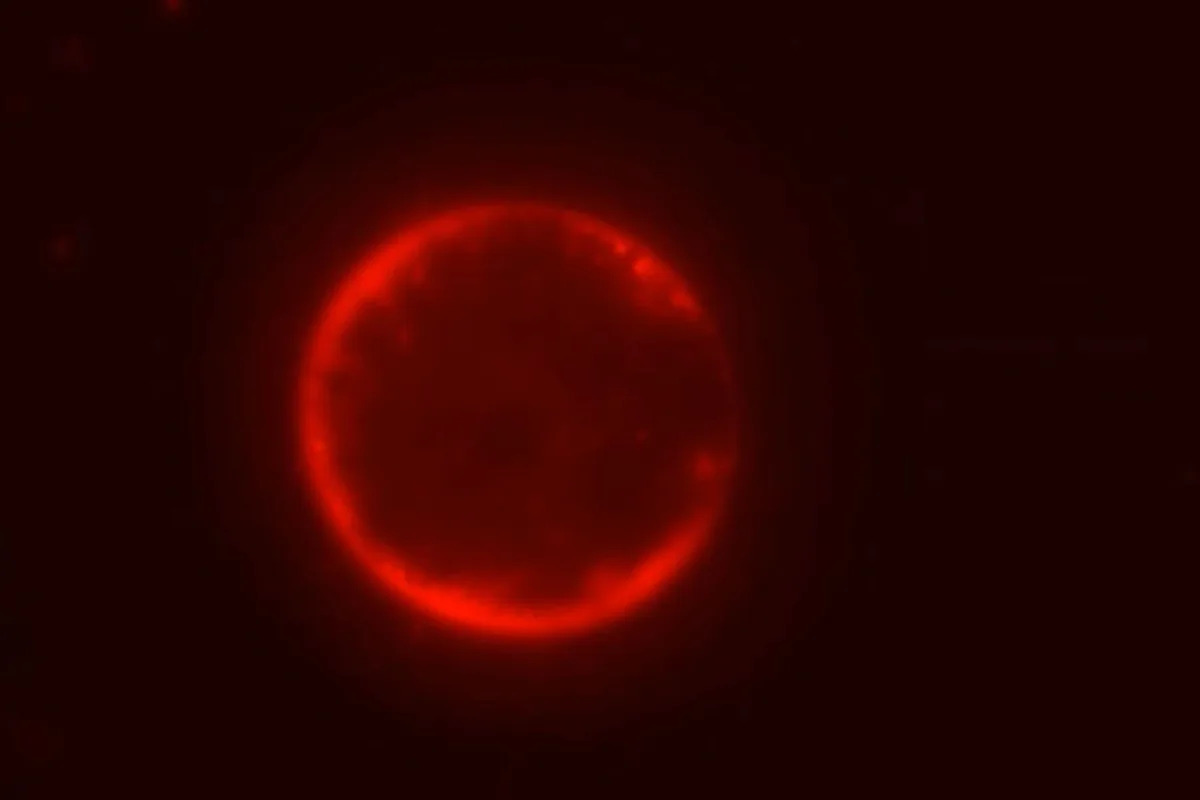
Researchers at the University of Minnesota created SpudCell, a synthetic cell built entirely from nonliving chemical components
The lab-made cell can grow, copy its DNA, and divide but cannot survive independently or be considered fully alive
Scientists say this breakthrough could lead to advancements in medicine and engineered biological systems
Scientists say they have created the world’s first synthetic cell built entirely from nonliving chemical components that can feed, grow, copy its DNA, and divide like a natural cell.
“We’re hoping we’re really starting the true age of bioeconomy, enabling technology that will let people engineer biology,” Dr. Kate Adamala, a synthetic biologist at the University of Minnesota who led the research, told CNN.
The cell, called SpudCell, was developed by researchers at the University of Minnesota, according to the scientific paper made public on Thursday, July 2. Unlike previous synthetic cells, which were created by modifying living cells, SpudCell was assembled entirely with nonliving chemicals.
While it is not considered fully alive, researchers say it can perform many of the basic functions of a living cell, according to CNN.
“I know the full ingredient list of the cell. I know exactly what chemicals, what molecules at what concentrations,” Adamala told the outlet. “It is fully defined, which means we can engineer it.”
The lab-made cell is a prototype and cannot survive on its own. Even so, researchers say it is the first time a fully synthetic cell has completed a full cell cycle after being built entirely from nonliving components.
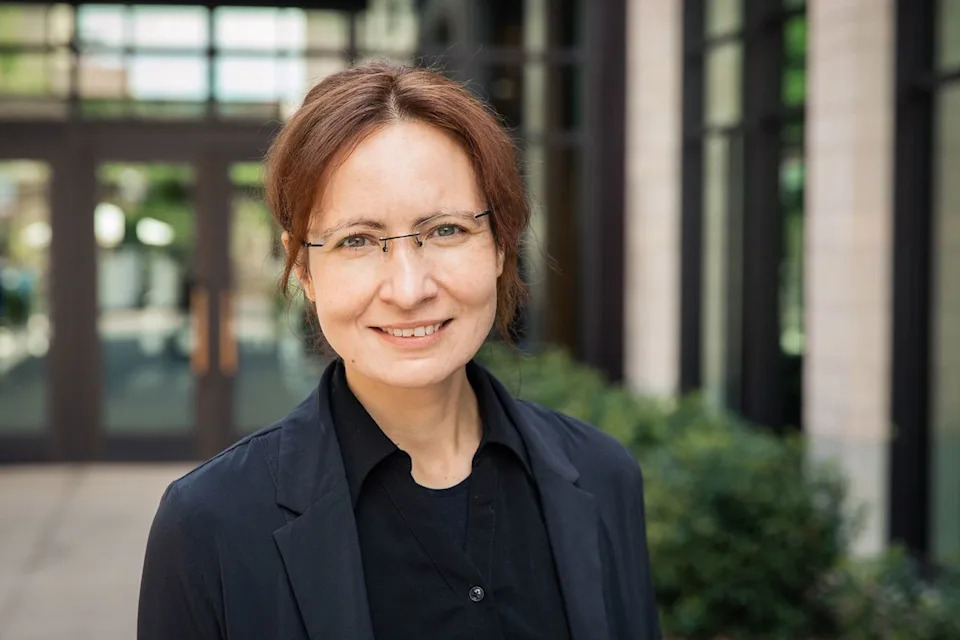
Biotic co-founder Kate Adamala
Credit: Hoover Institution,Patrick Beaudouin
“It is not as robust, as fast, or as good at most of its functions as a natural cell, but it is proof of principle that molecules can reconstitute behaviors that up until now we only associated with natural living cells,” Adamala told The Guardian. “If we want to be able to engineer biology, we really have to understand exactly the blueprint, every component of it, so we know what we’re changing.”
Adamala said the scientists built a “cell-like system that is fully chemically defined, so there are no unknown building blocks in it.”
“It’s capable of doing things that people up until now used to think only natural living cells can do,” she added.
Never miss a story — sign up for PEOPLE’s free daily newsletter to stay up-to-date on the best of what PEOPLE has to offer, from celebrity news to compelling human interest stories.
The findings have not yet been peer-reviewed, but scientists say the work represents an important step toward understanding the basic building blocks of life and developing new technologies that could one day be used in medicine.
One well-known example of engineering natural cells is inserting the human insulin gene into E. coli bacteria so they can produce insulin for people with diabetes, CNN reported.
Now, researchers say synthetic cells are the next step. These lab-built cells could one day be used to develop new cancer treatments or produce useful chemicals, according to the outlet.
Read the original article on People