

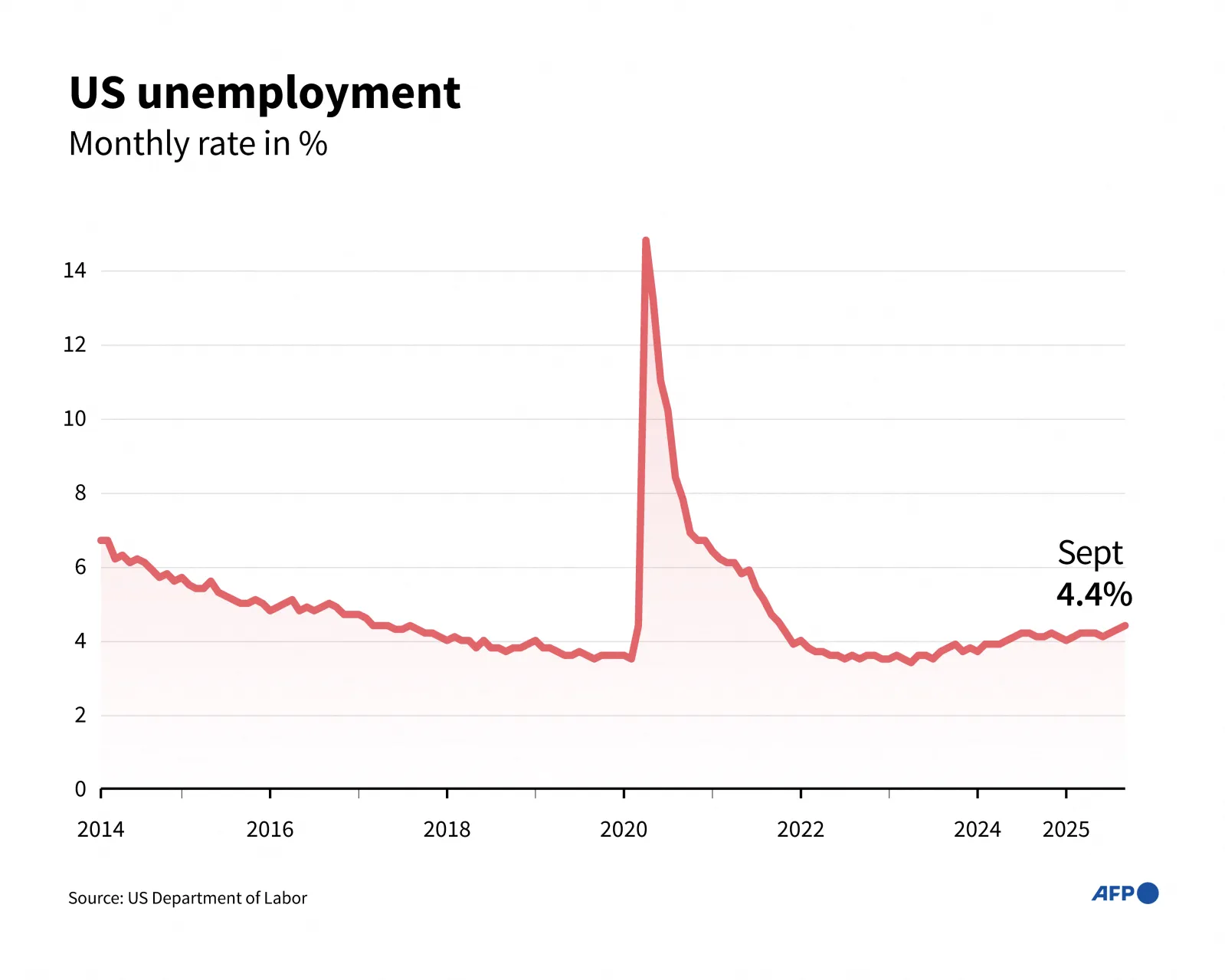
America’s unemployment rate is holding relatively steady at 4.2 percent, but a Newsweek analysis found the number of Americans who are giving up looking for jobs because they’re discouraged about finding one is higher than it was at the beginning of the year, which economists say may be masking a looming problem in the labor market.
“The June jobs report has some eyebrow raising data, especially the big drop in the labor force,” Heather Long, chief economist at Navy Federal Credit Union, told Newsweek, adding the caveat that one month doesn’t make a trend.
A key concern is the rising number of Americans who have stopped actively searching for work and therefore are no longer counted as unemployed. Economists say an increase in discouraged and marginally attached workers often signals weakening labor demand and suggests the labor market may be softer than headline employment figures indicate.
Read More on News
According to recent labor force data, roughly 1.83 million workers were classified as marginally attached to the labor force in June, including about 499,000 discouraged workers who said they had stopped looking because they believed no jobs were available for them.
 What Marginally Attached Workers Signal About US Labor Market
Marginally attached workers are taken out of labor force participation, meaning they aren’t included in the unemployment rate. That’s because the unemployment rate only measures people who are out of work and actively looking for a job and marginally attached workers have stopped applying to new jobs.
“It’s tough to square the shockingly low job creation in June with a lower unemployment rate,” Jeff Roach, chief economist at LPL Financial, told Barron’s following the latest jobs report.
According to Roach, it’s possible the marginally attached workers may be artificially suppressing the unemployment rate even as labor market conditions weaken.
“In a strong economy, a low unemployment rate can coexist with healthy participation rates, but that’s not the case now,” Roach said.
The Bureau of Labor Statistics classifies “marginally attached workers” as people who want and are available for employment and have looked for work within the previous 12 months but not during the four weeks before the survey. Because they are not actively searching, they are excluded from the official unemployment rate.
Within that group are “discouraged workers”—individuals who have stopped looking because they believe no jobs are available for them or that they won’t be hired.
A Newsweek analysis of BLS data found that the number of marginally attached workers hit the highest level since November. The number of discouraged workers has also been growing, reaching its highest level since January. It’s on par with June of last year, though, and the number of discouraged workers was actually higher at this point last year.
However, the country’s been seeing an uptick in the number of people who are leaving the labor force.
Long said it’s tough to fully explain the sharp decline in people leaving the labor force and she suspected that it’s possible the data will be revised by the end of the summer to show a less steep loss. But, people are opting to not work or are getting discouraged because the opportunities in this environment are limited.
Growing Employment Pessimism
“It’s been tough for job-seekers for a year now, and that has caused some people to give up on their job search. Some older Americans are opting to retire early, and many moms of young children are struggling to find hybrid or remote roles that give them the flexibility they need in the workplace,” Long told Newsweek.
While discouraged workers represent only a fraction of the labor force, they provide insight into worker confidence. When Americans believe job opportunities are plentiful, discouraged worker counts typically fall. When workers repeatedly encounter hiring freezes, layoffs or prolonged job searches, those numbers often rise.
A 2024 analysis by CNBC noted that a rise in marginally attached workers can signal growing pessimism among job seekers and suggest that headline unemployment data is understating labor market slack. Workers frequently stop searching when job opportunities become scarce or repeated job applications fail to produce results.
Alí Bustamante, a labor economist and director of the Worker Power and Economic Security program at the Roosevelt Institute, a liberal think tank based in New York City, told CNBC in 2024 that the growing number of marginally attached workers was a “warning sign” for the labor market.
At the time the article was published, marginally attached workers represented about 1.6 percent of all people not in the labor force. Currently, they represent about 1.7 percent of all people not in the labor force.
The growing gap between headline unemployment and broader measures of labor underutilization highlights an uncomfortable possibility: the labor market may be weaker than the official rate suggests.
What Is the Unemployment Rate?
The unemployment rate measures the percentage of people in the labor force who are actively searching for work but unable to find a job. In June, the unemployment rate declined to 4.2 percent but that was largely attributed to hundreds of thousands of people leaving the workforce, instead of people being hired. Those people leaving pushed the participation rate to the lowest it’s been in five years.
“The unemployment rate probably isn’t as low as 4.2 percent. It only fell in June due to the big drop in people looking for work. That’s not something to celebrate, though it may be a statistical quirk that doesn’t last,” Long said.
When participation declines, the unemployment rate can improve even if job prospects remain poor. This dynamic has become increasingly important as employers navigate slower economic growth, elevated interest rates, persistent uncertainty surrounding trade policy, and growing caution around hiring.
 How Long Is It Taking Americans to Find Jobs?
Another sign of a cooling labor market is the increasing amount of time unemployed workers spend searching for jobs. While layoffs aren’t elevated, hiring is also low in an economy that economists have described as a “no hire, low fire” environment. It means people with jobs are likely to keep their jobs, but those who aren’t employed are struggling to find jobs.
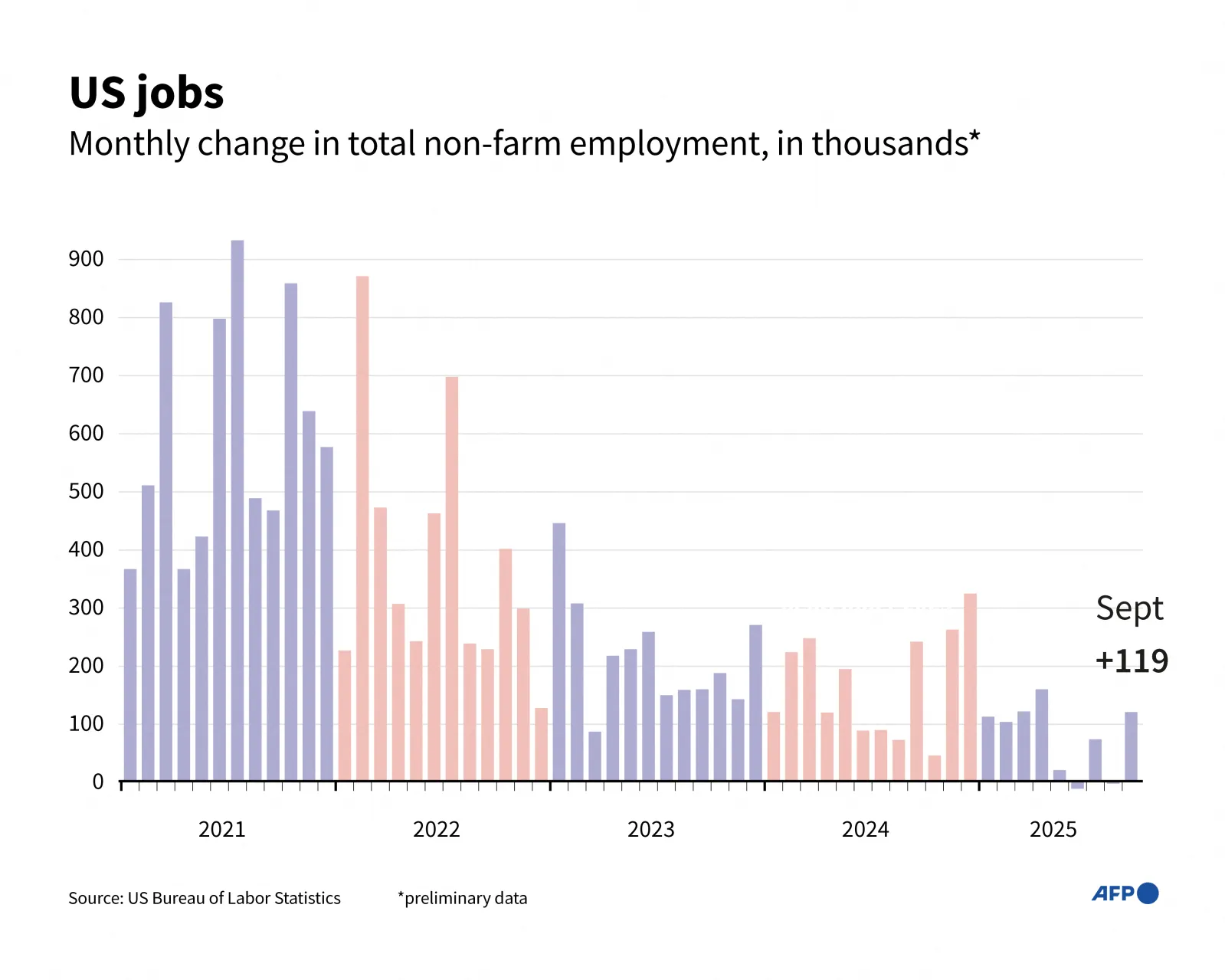
While the U.S. economy continues to add jobs overall, the pace of hiring has slowed dramatically from the rapid gains seen in the years immediately following the pandemic.
“Only healthcare was hiring last year,” Long said. “This year, healthcare and some white-collar jobs are hiring with a little bit of headcount expansion in construction and warehouses … There have not been many sectors adding headcount in the past year.”
The rise in discouraged workers, the persistence of marginal labor force attachment and declining participation all point to a labor market that is weaker beneath the surface than topline numbers suggest.
Americans are struggling to find work and, for some, that struggle has become so disheartening that they’ve given up on even looking for jobs. So, it’s possible America’s unemployment rate is worse than the raw percentage suggests.