
These seven veteran money voices built real wealth by sticking with the same habits they have spent decades selling to the rest of us.
They are past 60, comfortable, and in most cases still working — not because they have to, but because the habits never left.
1. Clark Howard, 71
By his early 30s, Clark Howard had made enough from his travel business to live off his investments. Then he spent decades on radio, podcasts and Clark.com telling listeners to save more, spend less and avoid getting ripped off.
The frugality is not just a bit for the microphone. Howard has stretched a disposable razor for a year by drying it after each use, bought two single cheeseburgers when that beat the price of a double, and flown carry-on only to dodge the bag fee.
Howard also splits from some of his peers on credit. He treats cards as a useful tool when paid in full, not as something to cut up. The fortune changed. The shopping habits did not.
You can slash expenses on dining, travel, eyeglasses, prescriptions and more with the right membership. AARP is just $15/year with auto-renewal. Join now and save hundreds.
2. Stacy Johnson, 70
Stacy Johnson spent 10 years at Wall Street firms, earned his CPA in 1981, and in 1991 founded Money Talks News, the outlet that now syndicates personal finance reporting nationwide.
Johnson’s message has always been blunt: Looking rich and becoming rich are often competing goals. Status spending drains the same cash that could have gone toward investments, debt freedom or buying back your time.
By his own account, Johnson measures wealth by independence rather than display. The point is not whether he owns the flashiest house on the block. It is that he built a life where work is a choice, not a requirement.
Getting good financial advice can be invaluable. Yet most people still go it alone. SmartAsset matches you with a fiduciary advisor who builds around your goals. Built for serious investors with $100,000 or more in investable assets.
3. Suze Orman, 75
At 29, Suze Orman was still waiting tables at a Berkeley bakery. Regular customers lent her money to open a restaurant, but after she put it with a broker at Merrill Lynch, the money was lost in options trading.
She responded by learning the business from the inside. Orman became a broker herself, eventually building one of the most recognizable personal finance brands in America.
Her core message tracks that early lesson: Protect yourself first. Build emergency savings, kill high-interest debt, understand who is handling your money and value independence over the appearance of wealth. She lost money once by trusting the wrong person. She rebuilt by trusting the math.
4. Dave Ramsey, 65
Dave Ramsey built a real estate portfolio in his 20s on borrowed money, then lost it and filed for bankruptcy when the loans were called. Everything he has preached since traces back to that collapse: no debt, cash purchases and a written budget that tells every dollar where to go.
Ramsey still runs the same playbook. He has said he owns multiple houses and commercial buildings, all bought with cash and held debt-free.
Not everyone buys the whole system. Critics argue that a blanket rejection of credit cards and borrowing can be too rigid for some households. Ramsey has heard the criticism for decades. He has not moved an inch.
5. Jean Chatzky, 61
Jean Chatzky spent 25 years as the financial editor of NBC’s “Today,” served as AARP’s personal finance ambassador and later built HerMoney around a practical idea: systems beat willpower.
That is why so much of her advice comes back to automation. Set your retirement contributions, savings transfers and bills to move on their own, so your financial progress does not depend on remembering, deciding or feeling motivated.
It is the least dramatic advice on this list, and possibly the most durable. No one has to feel disciplined if the discipline is already scheduled.
6. Ric Edelman, 68
Ric Edelman and his wife, Jean, started a financial advisory firm in 1986 after a bad experience with an advisor of their own. That firm eventually became Edelman Financial Engines, one of the largest independent registered investment advisors in the country.
The wealth came from the approach Edelman still teaches: diversify broadly, invest for the long haul and resist the urge to time the market. He sold his majority stake in the firm in 2005 and kept writing about the same principles across bestselling books.
Lately, his focus has turned to longevity. Edelman argues that many people should plan for the possibility of living to 100, which means ensuring retirement savings last for decades, not just years.
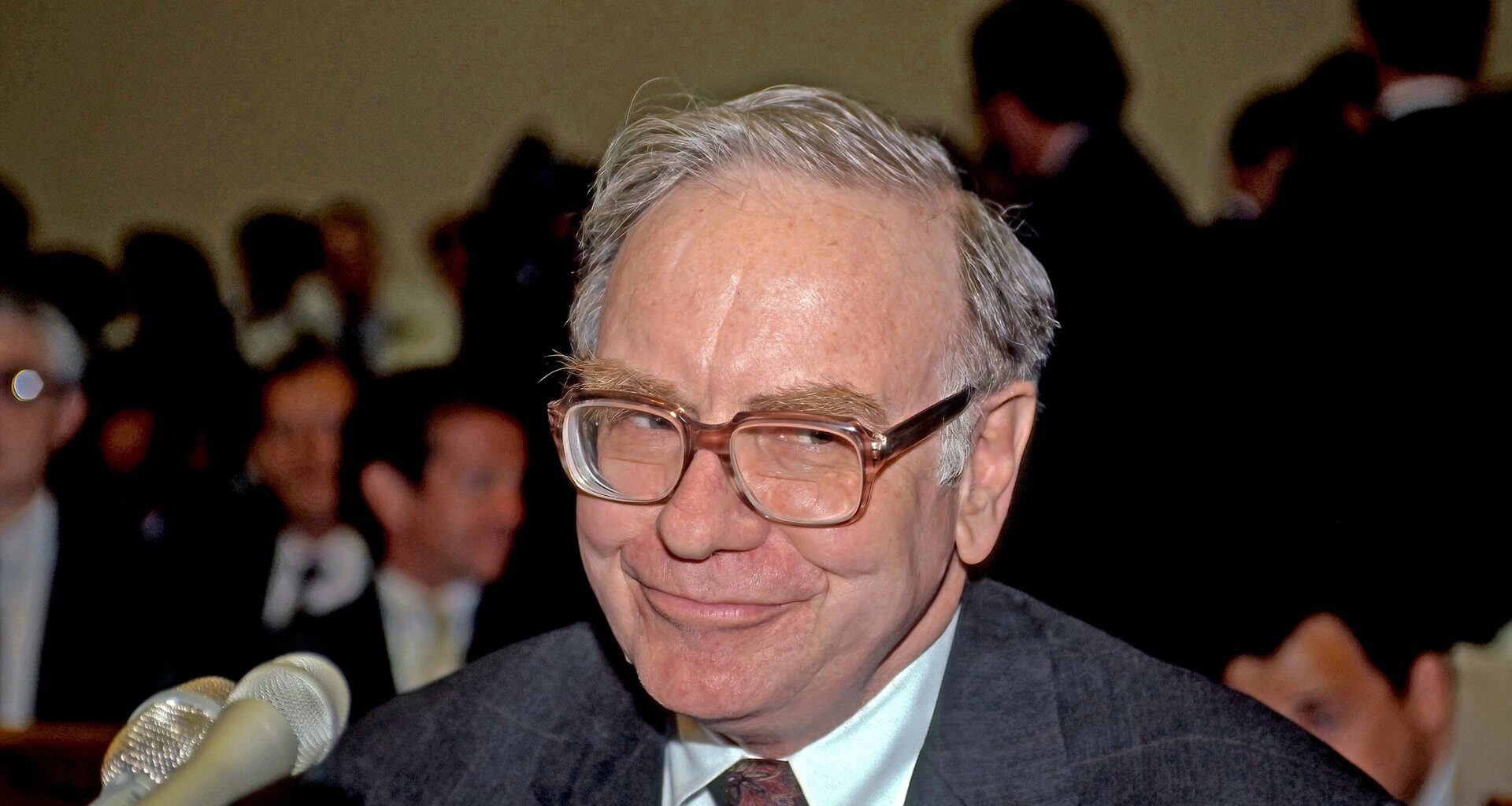
7. Warren Buffett, 95
Warren Buffett is not a household-budget guru, but he may be the best-known example of a wealthy person who never let wealth rewrite his identity. He built one of the greatest investing records in history by buying good businesses and holding them for decades.
Buffett still lives in the Omaha house he bought in 1958 for $31,500. His tastes have famously remained modest: Coca-Cola, fast food and the same neighborhood he has occupied for more than 60 years.
He has pledged most of his fortune to charity and has already given away tens of billions of dollars. At 95, the richest person on this list may also be the least interested in looking rich.
The habits that made them wealthy
Strip away the net worth figures and the same handful of habits show up repeatedly.
Spend well below what you earn.
Stay out of expensive debt.
Automate the good decisions.
Invest for decades, not quarters.
Measure yourself by your balance sheet, not your neighbors.
None of it is secret, and none of it is new. What sets these seven apart is not that they found unique rules. It is that they kept following the traditional ones long after they could have afforded to quit. Their wealth did not change their behavior. Their behavior built their wealth.
If earning a little extra would help your financial situation, earn $1,370 a month while you’re watching TV. Lots of companies let you earn money for testing apps, playing games and taking surveys, but FreeCash is in a league of its own. Take a sec and check it out.