
The Social Security Administration (SSA) has announced two major changes aimed at improving customer service for the millions of Americans who rely on retirement and disability benefits.
“We are pleased to announce some important developments from Central Processing that further our commitment to efficient, responsive service for claimants and the representative community,” the SSA said in a release Wednesday. “These changes reflect ongoing efforts to optimize operations, strengthen communication, and deliver timely, policy-compliant outcomes.”
Why It Matters
The announcement comes as some lawmakers are questioning recent staffing cuts by the SSA and expressing concern over the agency’s customer service capabilities.
Read More on Politics
While SSA leadership says service levels are improving thanks to technology upgrades and restructuring, Senator Elizabeth Warren and other Democrats have said that staffing cuts and longer wait times for help have negatively impacted millions of Americans.
 What To Know
In an update released on Wednesday, the SSA said the agency implemented two significant changes intended to improve service delivery.
SSA Centralizes Oversight of Processing Centers
The agency said it has consolidated oversight of all eight Social Security processing centers under a new organization known as Central Processing.
According to SSA, the reorganization also brings several support units under the same umbrella, including:
Disability OperationsInternational ProcessingEarnings unitsWorkload Support UnitsField Office Support Units
The agency said the goal is to streamline decision-making and improve coordination so they can ultimately speed up case processing.
“Oversight of SSA’s eight processing centers is becoming more centralized and their representative call center is being expanded so legal representatives and advocates can more easily track pending cases. This move could certainly assist in reducing delays for disability, earnings and complex claims over time,” Alex Beene, a financial literacy instructor for the University of Tennessee at Martin, told Newsweek.
“At the same time, it doesn’t fully address some of the ongoing concerns about changes that have occurred to Social Security’s administrative end over the last two years.”
2. Expanded Representative Call Center
The second major change affects attorneys who assist beneficiaries.
Previously, attorneys and representatives often needed to contact different processing centers depending on where a claimant’s case was being handled.
Under the expanded system, the following changes are in effect:
Representatives now have a single national point of contact.Calls are automatically routed to the correct processing center.Staff can answer questions about pending claims and case status as well as attorney fee payments
These enhancements should reduce confusion and speed up communication for representatives working on behalf of beneficiaries.
Social Security Says Service Is Improving
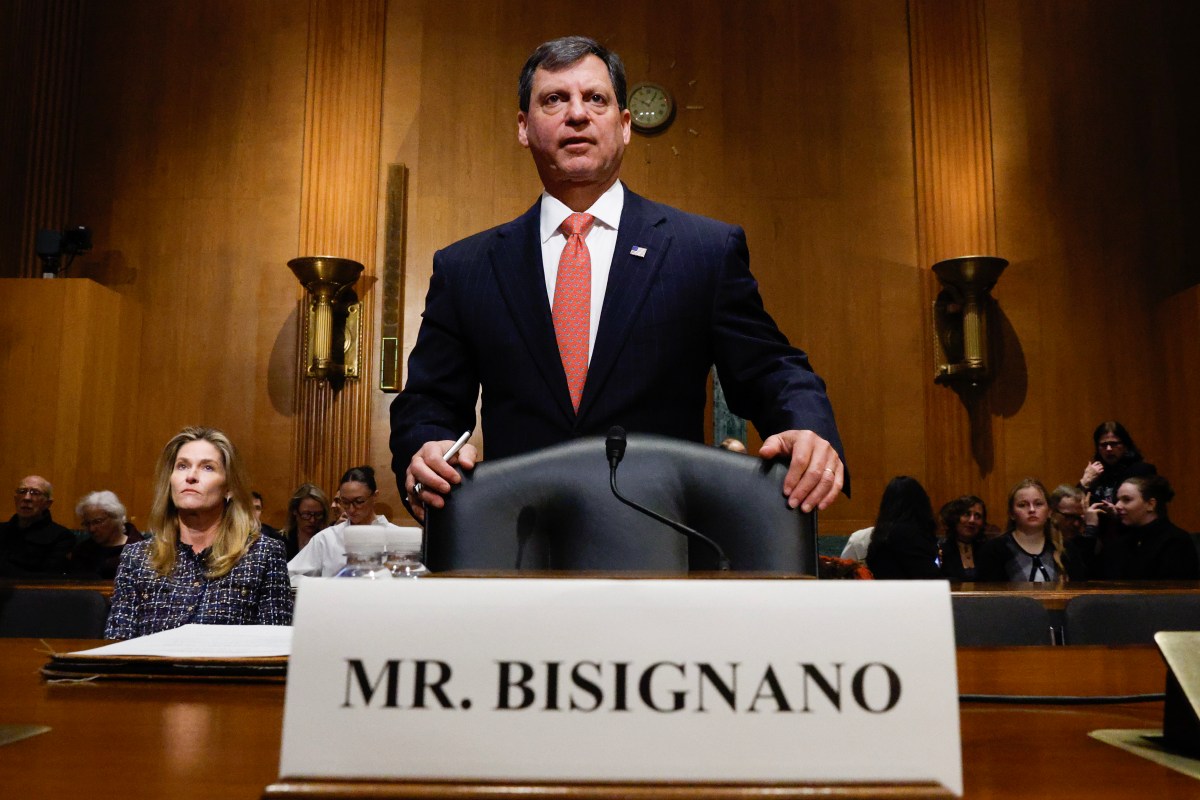
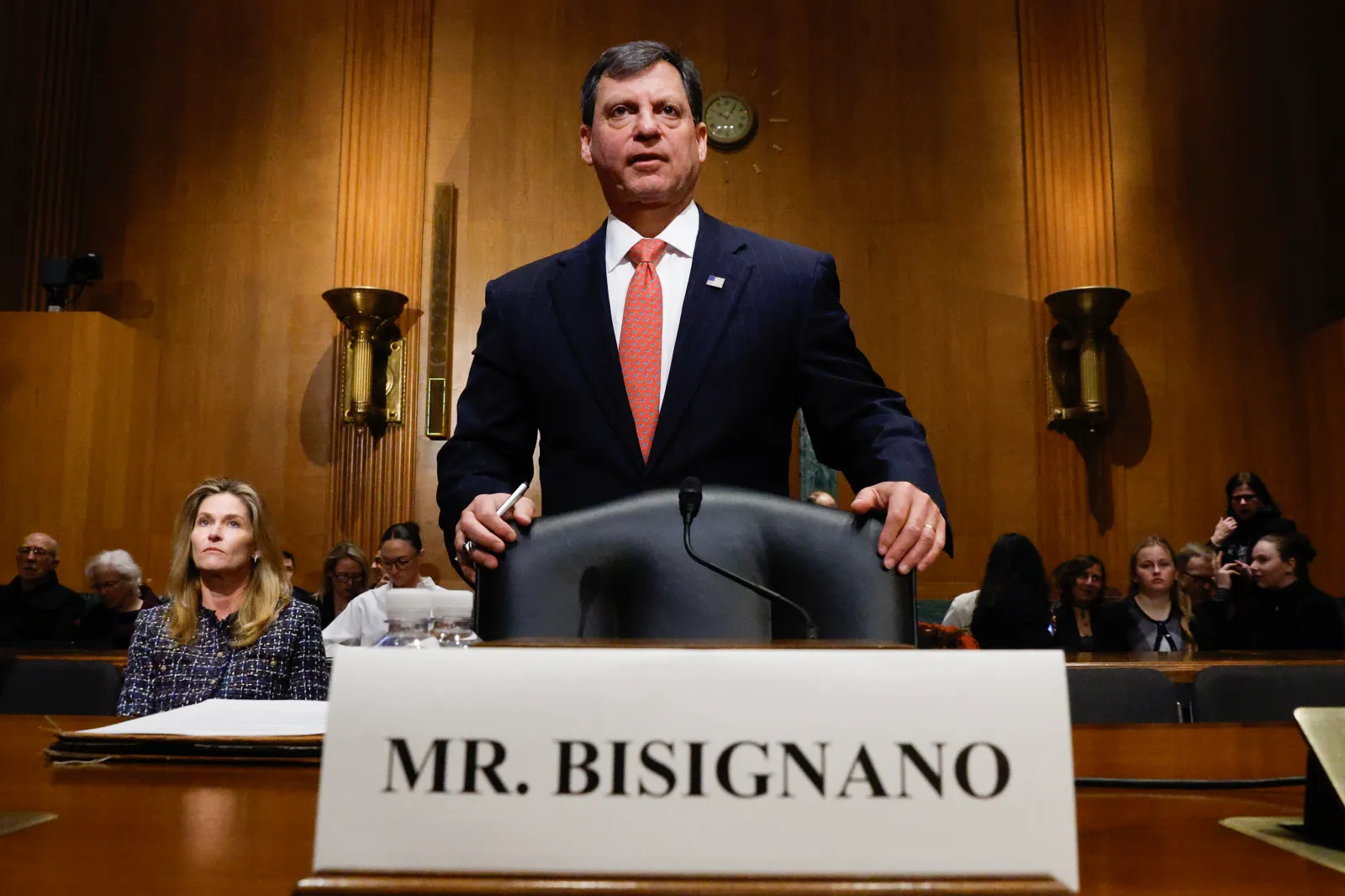
The most recent update is part of a large-scale campaign by Commissioner Frank Bisignano to make improvements in customer service.
In recent months, SSA has reported several metrics showing its progress:
SSA’s Recent Performance Improvements
According to agency officials, new telecommunications systems and expanded self-service tools have helped handle larger call volumes while reducing wait times.
“We are transforming the customer experience, investing in technology to build frontline capacity, and using real-time data to monitor performance across the board,” Bisignano said last year. “We are delivering higher levels of customer service—and this will continue.”
The agency also said it completed more than 3.1 million payments under the Social Security Fairness Act five months ahead of schedule, totaling over $17 billion.
But Elizabeth Warren Says Beneficiaries Are Seeing Something Different
Not everyone agrees that service is improving. Warren and several Democratic lawmakers have repeatedly questioned SSA’s performance claims.
In March, Warren and other senators launched an investigation into what they called Social Security customer service chaos.
“The results of these cuts have been catastrophic – driving up wait times for phone services and in-person field office appointments,” Warren’s report said. “Some rural field offices have reportedly been left with such limited capacity that [they] are effectively closed – unable to carry out the in-person services millions of older Americans and people with disabilities rely on.”
The major concerns from lawmakers include:
More than 7,000 SSA employees have left the workforce since 2025.Some regional offices have closed.Field offices are reportedly operating with fewer employees.Staff have been reassigned from offices to phone centers.
According to Warren’s office, nearly two-thirds of surveyed SSA employees reported service quality had declined over the prior year.
Lawmakers also questioned whether agency wait-time statistics accurately reflect what callers actually experience.
A Washington Post investigation found that some callers waited nearly one hour and 45 minutes on average, with some waits exceeding three hours.
“Your forced staff reassignments are harming Social Security beneficiaries, endangering the accuracy of claims, and wasting taxpayer dollars,” the Democratic senators wrote in a March letter to SSA leadership.
Office Closures Continue To Raise Concerns
There’s also increasing concern about any office closures at the SSA because many beneficiaries lack reliable internet access and are still uncomfortable using online systems.
They may need in-person help with disability claims, appeals or overpayment notices.
“There has been a strong push to centralize and modernize the SSA, which for some is a good thing, but for current beneficiaries, maybe not so much,” Kevin Thompson, the CEO of 9i Capital Group and the host of the 9innings podcast, told Newsweek.
“Future recipients who are more comfortable with technology may have fewer concerns. But many current beneficiaries simply want a solution and want it quickly. There is a reason we all find ourselves pressing 1 or 0 repeatedly just to speak with a real person instead of an automated service.”
AARP has warned that reducing physical office capacity can disproportionately affect rural beneficiaries and older Americans.
Michael Ryan, a finance expert and the founder of MichaelRyanMoney, called the SSA’s latest updates a “targeted back office improvement, not proof that SSA’s broader service problems are fixed.”
“The new SSA announcement is about reorganizing the eight processing centers under a single Central Processing structure and expanding the Representative Call Center so reps have one routing point for cases pending in any processing center,” Ryan said. “That could help with case handling and reduce some internal confusion, but it is not the same thing as beneficiaries suddenly getting great front line service.”
Could Both Sides Be Right?
Both the claims made by the SSA and Warren and other lawmakers may be partially true.
SSA’s data suggests that average phone response times have improved and certain backlogs are shrinking. There’s also more services available online.
However, the workforce is significantly smaller and some offices have closed or consolidated their operations.
So while technology appears to be helping the agency process higher volumes of work, it may not fully replace the number of experienced staff and local field offices that were once available.
“Warren’s criticisms are founded but simply calling them out does little more than amplify the partisanship,” Thompson said. “I am in the camp that you cannot say you are enhancing access and improving service while simultaneously cutting staff. That math simply does not make sense.”
What Happens Next
The coming months may provide a clearer picture of whether the SSA’s changes are actually improving things for retirees and other beneficiaries.
The results of Warren’s investigation and future Inspector General reviews of customer service at the agency will be key in determining the actual reality for many Social Security beneficiaries receiving customer service.
“I don’t think things are necessarily getting better or worse. In many cases, they are roughly in line with what we have always seen. My experience with the system has been just okay, but I am also more comfortable with technology than many older beneficiaries,” Thompson said.
He added: “Baby boomers do not need another authentication app or another code sent to some impossible-to-find place. At some point, modernization can make the process more confusing, not less.”
Contact Newsweek editors on this story: Jason Lemon and Cristina Diciu.