
1. Why Is The Cause So Elusive?
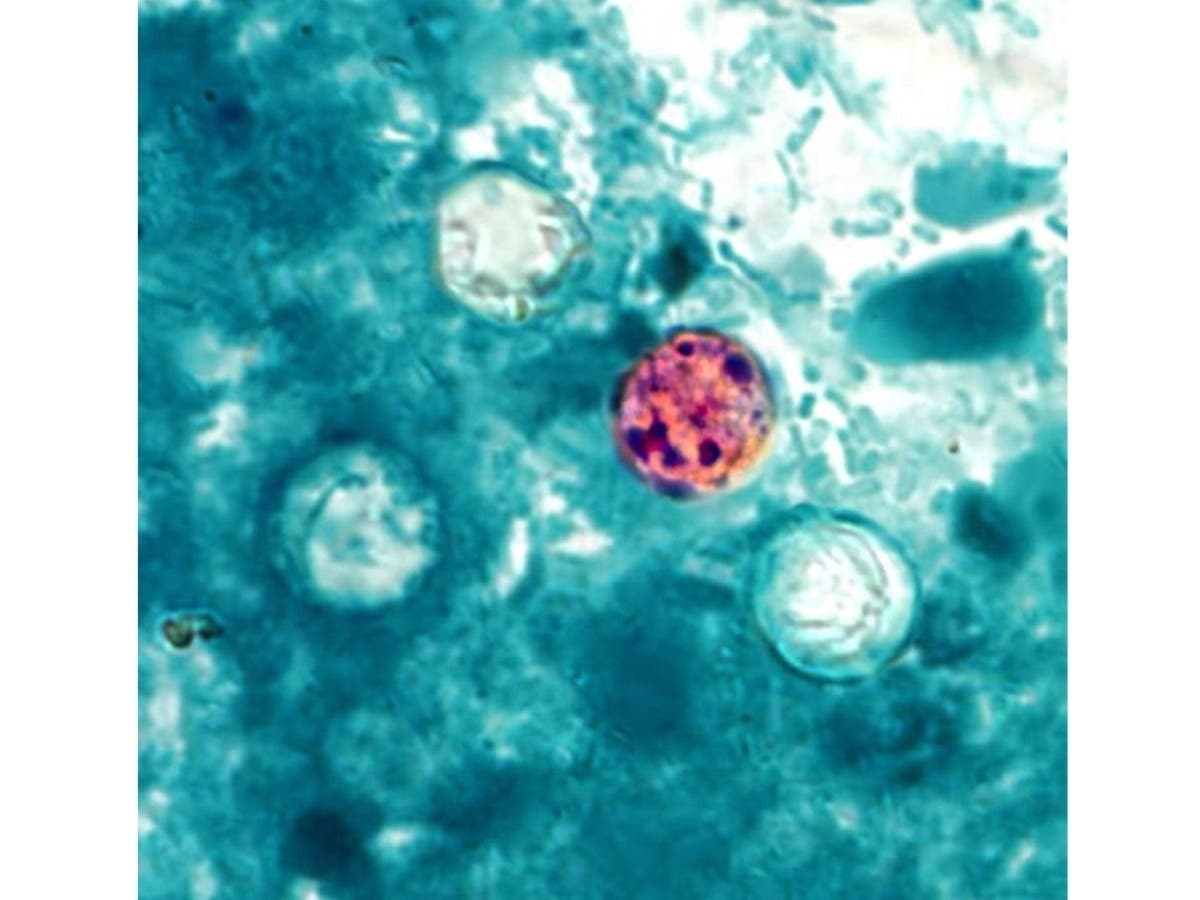
Cyclospora surges can be tricky to investigate, and the source of foodborne illness can be hard to establish. But “there is clearly a linked outbreak happening right now,” Dr. Natasha Bagdasarian, Michigan’s chief medical executive, told The Associated Press.
Comprehensive data on cyclospora outbreaks is lacking. But available information shows only a small number of documented outbreaks in the last 20 years have surpassed 1,000 cases. That short list includes a 1997 outbreak tied to Guatemalan raspberries that sickened more than 1,000 in the U.S. and Canada, and a 2019 outbreak linked to Mexican basil that sickened more than 2,400.
There are several reasons it’s challenging to know the exact toll, Melanie Firestone, a University of Minnesota foodborne illness researcher, told the AP. Some tests used to check for types of food poisoning are not geared to detect cyclospora, “so there is a lot of underreporting when it comes to this,” she said.
Other challenges: Technicians aren’t able to grow the parasite in labs, making it hard to draw evidence from contaminated produce. And it can be hard to figure out what food sick people had in common, because sometimes it’s a single ingredient that might be common in multiple recipes — like basil or cilantro.
Also, it’s possible that food distributors may channel contaminated foods to both grocery stores and restaurants, making it hard to discern where tainted food came from. Investigations can take months and sometimes never find a clear source.