
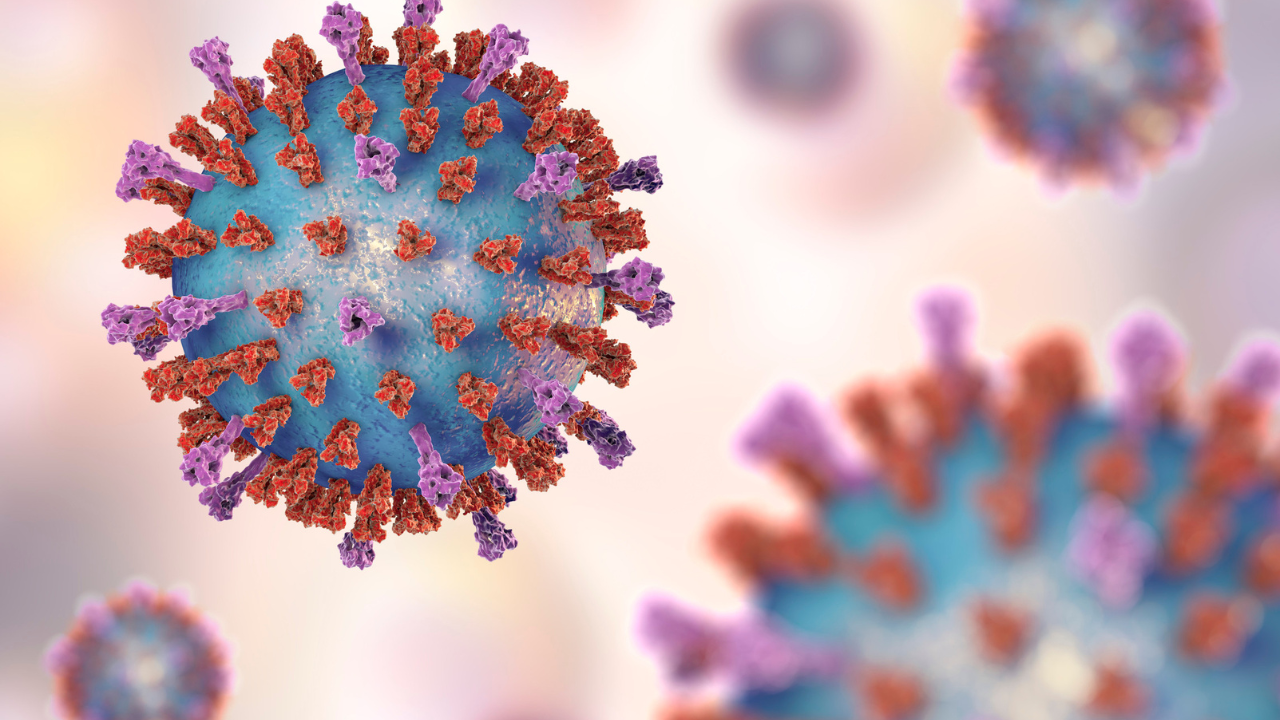
 A child’s fever is usually something parents manage with rest, fluids, and medicines. But there are rare situations where a fever is much more than just another seasonal illness. The Chandipura virus (CHPV) is one such example.Recent reports of Chandipura virus infections in Gujarat have once again put the spotlight on this little-known virus. Although it is uncommon, doctors say it deserves attention because it can affect the brain very quickly, especially in children. In many cases, symptoms that appear like a simple viral infection can become life-threatening within just two to three days.Unlike many common viral illnesses, there is currently no specific antiviral treatment or vaccine for Chandipura virus. That makes early recognition and immediate medical care the biggest factors that can improve survival.According to the National Centre for Disease Control (NCDC), Chandipura virus has caused periodic outbreaks in India over the years, particularly during the monsoon months when the insects that spread the virus become more active.
A rare virus that can become serious very quickly
Dr Manju Kedarnath, Senior Consultant & Clinical Lead – Paediatrics, PICU & Paediatric Emergency, KIMS Hospitals, Electronic City, Bengaluru, explained that although the infection is rare, families should not ignore its warning signs.”In recent news about the Chandipura virus (CHPV) in Gujarat, it is understandable that many parents of small children are very worried. Although the infection caused by the Chandipura virus is rather uncommon, the disease progresses through the body rather quickly, which is why it is very necessary to get the disease diagnosed as soon as possible.”The Chandipura virus belongs to the Rhabdoviridae family, the same virus family that includes rabies, although it causes a different disease. It is transmitted mainly through the bite of infected sandflies.Most reported outbreaks have occurred in western and central India, particularly during the rainy season.
Do you believe that parents are aware of the early warning signs of Chandipura virus?
3k+ users shared opinion today
5k+ users already voted today
3k+ users shared opinion today
Why children are the most vulnerable
One of the most worrying aspects of Chandipura virus is the speed at which it can attack the brain.Dr Kedarnath explained, “The illness typically begins with a sudden high fever, severe headache, nausea, and fatigue. The disease can rapidly progress to the brain, leading to vomiting, restlessness, convulsions (seizures), and loss of consciousness. Without immediate care, it can lead to coma and death, sometimes within 48 to 72 hours of symptom onset.”Children younger than 15 years are considered the most vulnerable. Their immune systems and developing nervous systems may make them more susceptible to severe disease.The doctor adds another important point that parents should remember, “Most importantly, any signs of high fever combined with vomiting or any unusual behaviour should grab immediate attention.”Many childhood infections cause fever. What makes Chandipura virus different is how rapidly neurological symptoms can appear. A child who seemed tired in the morning may become confused, unusually sleepy, or develop seizures within hours.
The symptoms that should never be ignored
Doctors often say that timing can make all the difference.According to Dr Kedarnath, parents should seek medical attention immediately, ideally within three hours, if a child develops:Sudden high fever above 101°F, especially during the nightRepeated vomiting or diarrhoeaConvulsions or seizuresChanges in behaviourConfusionReduced alertness or loss of consciousnessThese symptoms do not always mean a child has Chandipura virus. However, they can signal inflammation affecting the brain, which is always a medical emergency.Quick hospital care allows doctors to provide supportive treatment, monitor the brain and other organs, and manage complications before they become irreversible.
There is no specific treatment yet, making prevention even more important
Unlike some viral infections that have vaccines or antiviral medicines, Chandipura virus currently has neither.Dr Kedarnath said, “At present, there is no specific antiviral medication or vaccine available for Chandipura virus, thereby making prevention a crucial measure. Early supportive care in a hospital is critical for survival.”The disease is known to have a high case fatality rate, with estimates ranging from 56% to 75% in reported outbreaks. This is one reason why doctors emphasise early hospital care instead of waiting for symptoms to improve on their own.
Simple precautions can lower the risk during monsoon
Because sandflies spread the virus, preventing bites becomes one of the most effective ways to reduce the risk.Dr. Kedarnath recommended, “Parents need to make sure that their children are dressed in long-sleeved clothing, use insect repellents suitable for children and make them sleep under insecticide-treated mosquito nets when necessary, in order to protect them from sandfly bites. Keeping surroundings clean, getting rid of garbage, improving sanitation, and minimizing the conditions for breeding near the house will reduce the risk.”Sandflies are often found around thick vegetation, animal shelters, damp surroundings, and areas with poor sanitation. They are much smaller than mosquitoes, making them harder to notice.A 2026 government list identifies Bagalkote, Bidar, Vijayapura (Bijapur), Dakshina Kannada, Kalaburagi (Gulbarga), Raichur, Uttara Kannada, Udupi, and Yadgir as sandfly-endemic districts in Karnataka. This reflects the presence of the insect vector and does not mean that Chandipura virus is actively circulating in all these districts. However, experts recommend taking preventive measures, especially during and shortly after the monsoon if travelling to or living in these regions.Medical experts consultedThis article includes expert inputs shared with TOI Health by:Dr Manju Kedarnath, Senior Consultant & Clinical Lead – Paediatrics, PICU & Ped ER, KIMS Hospitals, Electronic City, Bengaluru.Inputs were used to explain what the Chandipura virus is, why it can become life-threatening within a short time, and the key symptoms, risks, and preventive measures that every parent should know.