
Twelve days after the state’s statutory deadline, the Pennsylvania Senate agreed to a state budget proposal on Sunday. Pennsylvania has approved a nearly $51 billion budget for the new fiscal year, which began on July 1. The budget is approximately $1.8 billion more than last year’s and is more than $2 billion less than the proposal Governor Josh Shapiro introduced in February. The plan includes a pension increase for public school retirees, as well as eligible municipal firefighters and police officers. It also preserves the state’s nearly $8 billion rainy day fund, which had been a key priority for Republicans. However, the budget does not legalize recreational marijuana or raise the state’s minimum wage. House Bill 2400 passed in the Senate by a 44-6 count.Following the announcement, local legislators have issued statements, sharing a mixture of support and opposition. “We all hoped this could be completed on time, but working a few extra days resulted in a better product,” Rep. Tim O’Neal (R-Washington) said in a post on social media. “We were able to reduce the amount of spending proposed by the governor, thus allowing us not to tap into the rainy day fund. This will be key in holding off tax increases in future years.”Fellow Rep. Grimm Krupa (R-Fayette), however, expressed opposition, saying, “This is another structurally deficit budget that spends more than Pennsylvania is expected to take in,” Grimm Krupa said. “Instead of making the difficult decisions necessary to live within our means, the majority chose accounting gimmicks designed to make the budget appear more balanced than it truly is.”She continued, saying, “A fiscal year consists of 12 months, yet this budget only accounts for 11 months of certain obligations by pushing the remaining month’s costs into the next fiscal year. The bills don’t disappear simply because they’re moved to a different ledger. That’s not fiscal responsibility; it’s voodoo budgeting.”Rep. Jill Cooper (R-Westmoreland) said, “I voted ‘yes’ on this 2026-27 budget because, while far from perfect, the $50.8 billion budget is a better outcome than Gov. Josh Shapiro’s original $53.26 billion proposal, which would have raised taxes, drained our Rainy Day Fund and threatened our long-term financial health. This final agreement avoids those mistakes and protects.”Cooper continued, saying, “That said, I want to be clear: This budget still spends too much and doesn’t fully deal with our long-term structural deficit. It also misses an opportunity to expand school choice for families who are waiting for better options. While this budget avoids the worst outcomes, I believe we still have more work to do to get our spending under control and put Pennsylvania on a stronger path.”Governor Josh Shapiro approved the piece of legislation Sunday afternoon. Shapiro said the budget will deliver on his key priorities of cutting costs for working families, investing in new public safety measures, and expanding the workforce in the Commonwealth. Tune into the 6:30 p.m. and 11 p.m. newscast for more on what this means in PennsylvaniaDownload the WTAE app to stay connected with breaking news. Sign up for our email newsletters to get breaking news in your inbox.
HARRISBURG, Pa. —
Twelve days after the state’s statutory deadline, the Pennsylvania Senate agreed to a state budget proposal on Sunday.
Pennsylvania has approved a nearly $51 billion budget for the new fiscal year, which began on July 1.
The budget is approximately $1.8 billion more than last year’s and is more than $2 billion less than the proposal Governor Josh Shapiro introduced in February.
The plan includes a pension increase for public school retirees, as well as eligible municipal firefighters and police officers.
It also preserves the state’s nearly $8 billion rainy day fund, which had been a key priority for Republicans.
However, the budget does not legalize recreational marijuana or raise the state’s minimum wage.
House Bill 2400 passed in the Senate by a 44-6 count.
Following the announcement, local legislators have issued statements, sharing a mixture of support and opposition.
“We all hoped this could be completed on time, but working a few extra days resulted in a better product,” Rep. Tim O’Neal (R-Washington) said in a post on social media. “We were able to reduce the amount of spending proposed by the governor, thus allowing us not to tap into the rainy day fund. This will be key in holding off tax increases in future years.”
Fellow Rep. Grimm Krupa (R-Fayette), however, expressed opposition, saying, “This is another structurally deficit budget that spends more than Pennsylvania is expected to take in,” Grimm Krupa said. “Instead of making the difficult decisions necessary to live within our means, the majority chose accounting gimmicks designed to make the budget appear more balanced than it truly is.”
She continued, saying, “A fiscal year consists of 12 months, yet this budget only accounts for 11 months of certain obligations by pushing the remaining month’s costs into the next fiscal year. The bills don’t disappear simply because they’re moved to a different ledger. That’s not fiscal responsibility; it’s voodoo budgeting.”
Rep. Jill Cooper (R-Westmoreland) said, “I voted ‘yes’ on this 2026-27 budget because, while far from perfect, the $50.8 billion budget is a better outcome than Gov. Josh Shapiro’s original $53.26 billion proposal, which would have raised taxes, drained our Rainy Day Fund and threatened our long-term financial health. This final agreement avoids those mistakes and protects.”
Cooper continued, saying, “That said, I want to be clear: This budget still spends too much and doesn’t fully deal with our long-term structural deficit. It also misses an opportunity to expand school choice for families who are waiting for better options. While this budget avoids the worst outcomes, I believe we still have more work to do to get our spending under control and put Pennsylvania on a stronger path.”
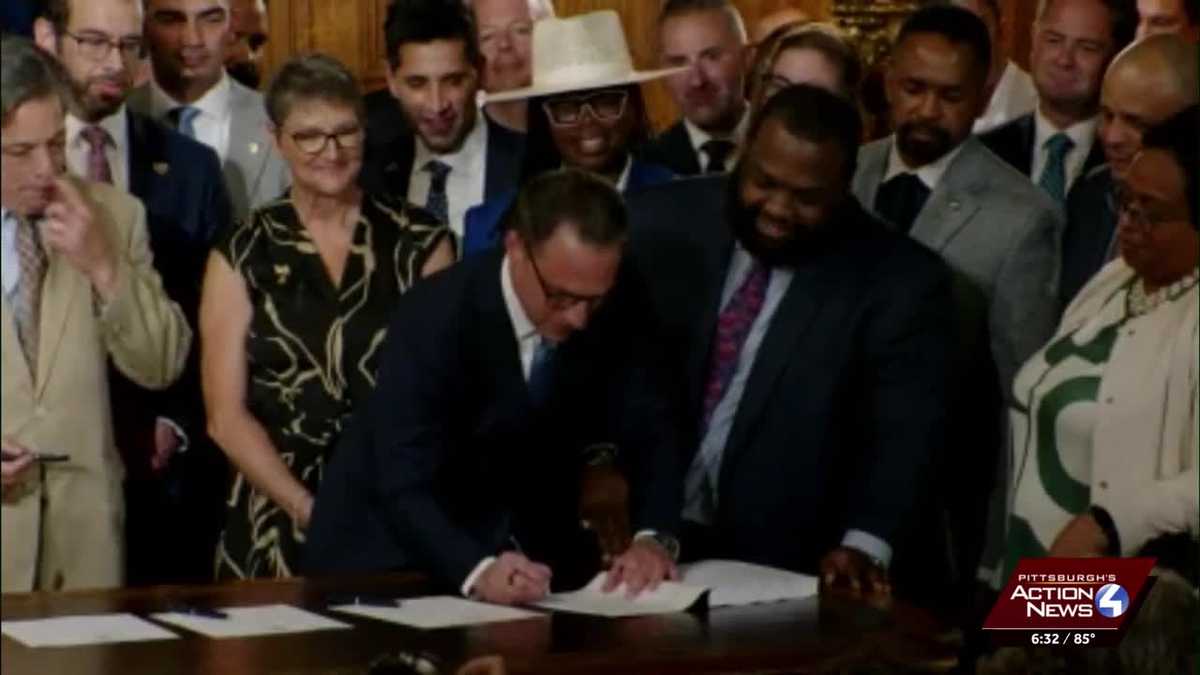
Governor Josh Shapiro approved the piece of legislation Sunday afternoon.
Shapiro said the budget will deliver on his key priorities of cutting costs for working families, investing in new public safety measures, and expanding the workforce in the Commonwealth.
Tune into the 6:30 p.m. and 11 p.m. newscast for more on what this means in Pennsylvania
Download the WTAE app to stay connected with breaking news. Sign up for our email newsletters to get breaking news in your inbox.